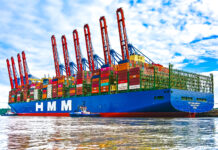



The role of foreign companies in operating major container terminals remains a subject of debate, particularly when international investment intersects with national interests and the management of strategic infrastructure.
In its latest Readers Speak poll, Container News asked readers whether foreign companies should operate major container terminals.
The results revealed a preference for joint ventures, suggesting that many readers favour arrangements combining international participation with domestic involvement. Other approaches, including unrestricted foreign operations and operations subject to safeguards, also attracted support, while exclusively domestic operations represented a smaller share of the overall response.
Joint ventures emerge as the preferred approach
Joint ventures emerged as the leading choice, highlighting an apparent preference for cooperation between international operators and domestic partners.
This result may reflect the importance readers place on maintaining local involvement in terminal operations while allowing international companies to contribute operational expertise and investment.
Rather than favouring either unrestricted foreign participation or complete domestic control, the strongest response points towards a model in which responsibilities and interests are shared.
However, the preference for joint ventures should not be interpreted as a consensus that they are the only acceptable operating structure. The results reveal a range of views on how foreign participation should be organised.
Safeguards remain an important consideration
Allowing foreign companies to operate container terminals under safeguards also attracted meaningful support.
This suggests that some readers are comfortable with international operators taking a more direct role, provided appropriate conditions and oversight are maintained.
The distinction between this approach and joint ventures is significant. While joint ventures involve a particular partnership structure, safeguards could apply to different operating arrangements.
Together, these responses suggest considerable interest in foreign participation accompanied by mechanisms intended to protect domestic interests.
Unrestricted operations and domestic control attract differing views
A substantial group of readers supported allowing foreign companies to operate major container terminals freely.
This position may reflect confidence in international terminal operators and a preference for fewer restrictions on commercial participation.
At the other end of the discussion, some readers favoured limiting operations exclusively to domestic companies.
That response suggests continued concern about the role of foreign businesses in infrastructure considered strategically important.
Nevertheless, the broader results indicate that neither unrestricted foreign operations nor complete exclusion of foreign operators emerged as the dominant position.
How this fits into the broader Readers Speak trend
The latest Readers Speak findings extend the discussion of shipping resilience, port infrastructure and global connectivity into the question of who should operate critical maritime facilities.
Previous polls have highlighted the importance readers place on strong shipping networks and effective port infrastructure. This week’s results introduce an additional consideration: the structure through which international companies participate in terminal operations.
The preference for joint ventures suggests that many readers see cooperation between domestic and foreign interests as an attractive approach.
At the same time, support for safeguards and unrestricted operations demonstrates that views on foreign involvement are not uniform.
Ultimately, the results suggest that the debate is less about whether international operators should participate in container terminal operations and more about the conditions and structures under which that participation should take place.