

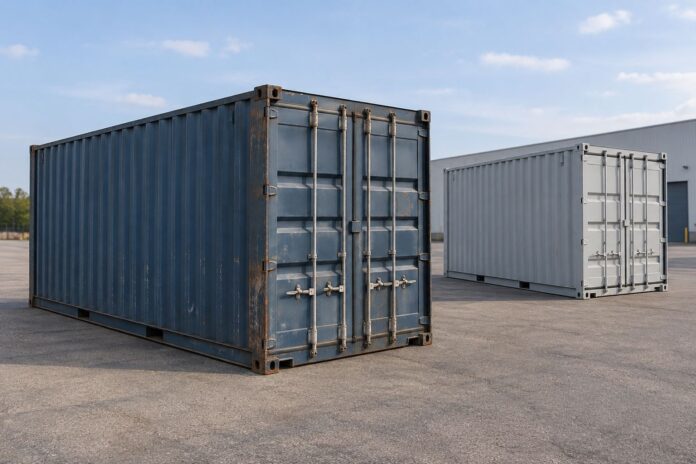
Choosing a shipping container involves more than finding a price for a steel box. For a business buying extra storage or planning a longer-term project, the condition of the unit, its location and the arrangements for delivery all affect the decision. ContainerFox helps US buyers describe those requirements and prepare a quote request, giving the suppliers consulted a clearer basis for their proposals.
Start with the container your project needs
A useful comparison starts with a specification. List what will go inside the container, how often it needs to be accessed and whether the project involves storage, transport or conversion. Size, door clearance and condition should follow from those requirements. Two offers for the same nominal length can still describe very different equipment.
The ContainerFox 20ft shipping container guide brings together dimensions, condition descriptions and purchasing considerations for the US market. It distinguishes the standard format from alternatives such as High Cube and side-opening containers, while reminding buyers to confirm the specifications of the actual unit offered.
For stock or equipment storage, measure the largest items together with their packaging and handling equipment. Allow for shelving, access aisles and the movement of the doors. The dimensions of an empty enclosure do not establish how much practical working space a fitted container will provide.
Compare condition as well as size
Used and one-trip containers serve different priorities. A buyer willing to accept cosmetic wear may assess a used unit; a project with appearance requirements may call for a different condition. In both cases, current photographs and a clear description of the unit matter more than a generic catalog image.
Ask about doors, seals, flooring, corrosion and repairs. If a container is offered as-is, establish which defects are known and what work would be required for the intended use. A lower purchase price is only meaningful when those costs and limitations are understood.
Storage requirements and international transport requirements also need to be distinguished. A commercial condition label should not replace confirmation of suitability. For a container intended to carry cargo, have the unit, its relevant documentation and the carrier’s acceptance checked before committing.
Look at the delivered total
A container-only price leaves important questions unanswered. Ask suppliers to itemize the unit, transport, unloading, applicable sales tax and any requested modifications. Establish whether the offer includes final positioning or only delivery to an accessible unloading point. These are separate parts of the project, even when they appear in one quotation.
The delivery ZIP code helps define the location, but the supplier also needs details about the site. Gates, tight turns, overhead obstructions and the available working area can affect the proposed vehicle and unloading method. Share photographs and agree the arrangements before scheduling delivery.
If renting is being considered, compare the costs over the intended period. Include delivery, collection, rental charges and the supplier’s return conditions. A monthly figure and a purchase price answer different questions until the services and timeframe are made comparable.
Turn the project details into a quote request
Buyers can request container quotes through ContainerFox by setting out the format, quantity, preferred condition, delivery location and timing. The form also asks about access and whether unloading should be included. Buyers who have not settled on every detail can identify where advice is needed.
The request is free and carries no obligation to buy. With the buyer’s agreement, ContainerFox passes the project and contact details through Quotbox for sharing with up to five selected partner suppliers. Submission does not guarantee a response or a quotation. Buyers remain responsible for choosing the supplier and confirming its offer, payment terms and delivery arrangements.
This is a way to organize an inquiry around a defined project. It should not be treated as a live inventory search or a guaranteed comparison of every seller in the market. Availability and the price of the proposed unit still need confirmation from the supplier.
Put written offers on the same basis
Once quotations arrive, record what each one actually includes. Keep unresolved charges visible: an unspecified unloading cost should not silently become zero. Separate confirmed amounts from estimates and ask for clarification before deciding that one offer is cheaper.
For this stage, ContainerPick provides US project-planning tools and a worksheet for comparing costs entered from written supplier offers. Buyers can organize container, delivery and unloading charges while identifying missing information. The tool supports the comparison process; it does not establish the seller’s identity, verify the unit or supply live market prices.
A clear specification, an itemized delivered total and written confirmation of the actual unit make a more useful starting point than a headline price alone. By preparing those details before requesting offers, buyers can focus their discussions with suppliers on the container and services their project requires.