
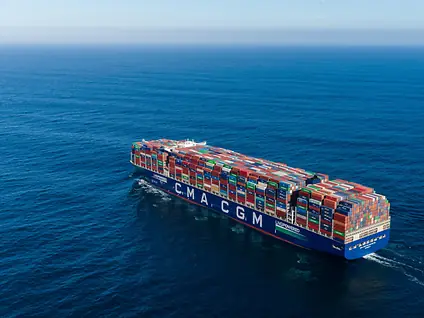
CMA CGM and DSV have signed an agreement to reduce carbon emissions from ocean freight transportation through the use of low-carbon biofuels.
Under the agreement, DSV will use CMA CGM’s ACT+ shipping solution, targeting a reduction of 12,000 tonnes of CO₂ emissions over two years.
The initiative will rely on second-generation UCOME-based biofuels, providing DSV with an additional option to reduce emissions associated with its customers’ maritime supply chains.
Expanding low-carbon shipping options
CMA CGM’s ACT+ solution uses lower-carbon fuels to reduce the environmental impact of ocean transportation. According to the carrier, the solution can achieve CO₂ emissions reductions of up to 83% compared with conventional shipping fuels.
The announced 12,000-tonne reduction remains a target under the new agreement, rather than an emissions saving already achieved.
“At DSV, reducing emissions across global supply chains requires strong collaboration and scalable solutions,” said Michael Hollstein, SVP Global Ocean Product, DSV.
“Through our partnership with CMA CGM and the use of the ACT+ solution, we are expanding access to lower-carbon shipping options for our customers.”
The agreement builds on the existing commercial relationship between the two companies as freight forwarders and ocean carriers seek ways to reduce emissions across international supply chains.
Both CMA CGM and DSV have established targets to achieve net-zero emissions by 2050.
For CMA CGM, the partnership forms part of its broader strategy to expand the use of lower-carbon marine fuels and offer customers alternatives to conventional ocean freight transportation.
The carrier expects to operate approximately 200 dual-fuel LNG and methanol-powered vessels capable of using lower-carbon energy sources by 2031.