
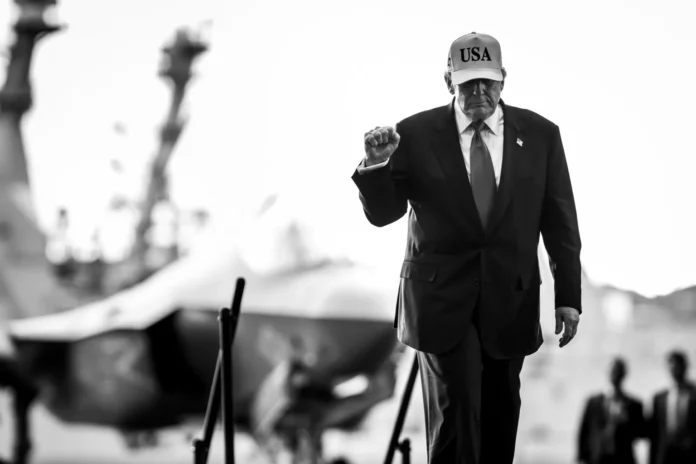
U.S. President Donald Trump warned Iran to comply with Washington’s nuclear demands, as a U.S. naval blockade continues to pressure Tehran’s economy.
Trump is expected to reject Iran’s latest proposal to reopen the Strait of Hormuz, according to U.S. media reports. He plans to maintain the blockade until Iran agrees to dismantle its nuclear program.
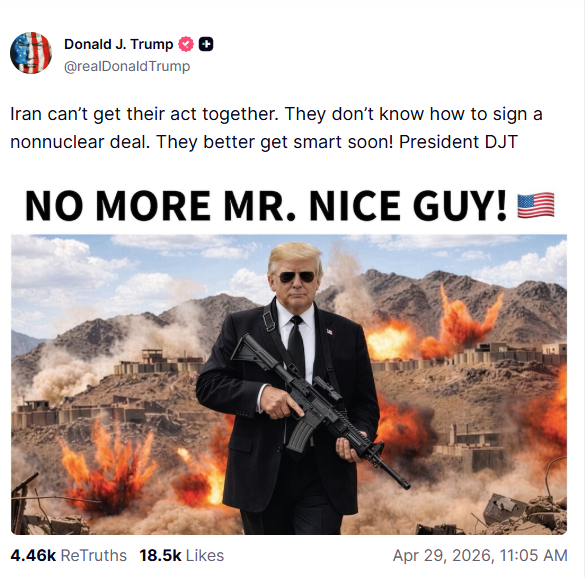
“Iran can’t get their act together… They better get smart soon,” Trump said in a social media post.
Blockade and economic pressure
The U.S. blockade targets Iranian ports and trade flows. At the same time, Iran has restricted traffic through the Strait of Hormuz, a key route for global oil and gas shipments.
The standoff is hurting both sides. Iran’s currency has dropped to record lows, while global energy markets remain under pressure.
Oil prices have surged. Brent crude is around $113 per barrel, while U.S. crude is above $100.
Diplomatic deadlock
Iran proposed easing its control over the strait in exchange for lifting the blockade. The offer, reportedly delivered via Pakistan, excludes limits on its nuclear program.
Washington is unlikely to accept those terms.
Iranian officials rejected U.S. demands. A military spokesman said Tehran still has “many cards” and could escalate if needed.
Global and political impact
The crisis is disrupting supply chains and increasing costs worldwide. Gulf shipping routes remain constrained, adding pressure to freight markets and energy supply.
During a White House dinner, Trump told Britain’s King Charles III that Iran had been “militarily defeated” and reiterated that the U.S. would not allow Tehran to obtain nuclear weapons.
Allies have raised concerns. German Chancellor Friedrich Merz questioned U.S. strategy, while Qatar warned the conflict could become prolonged.
At home, Trump faces pressure as rising energy prices impact voters ahead of midterm elections.
Ongoing tensions
Fighting risks extend beyond the Gulf. Clashes continue in Lebanon involving Hezbollah, despite a ceasefire.
With negotiations stalled, the Hormuz crisis remains a major threat to global trade and shipping flows.