
Parallel Systems and Agility have signed a strategic agreement to develop and deploy autonomous freight rail systems across the GCC, the wider EMEA region and other international markets.
The collaboration will combine Parallel’s battery-electric rail technology with Agility’s logistics and infrastructure capabilities. The companies will initially identify priority freight corridors where the system could support commercially viable operations and improve regional connectivity.
Autonomous system targets container movements
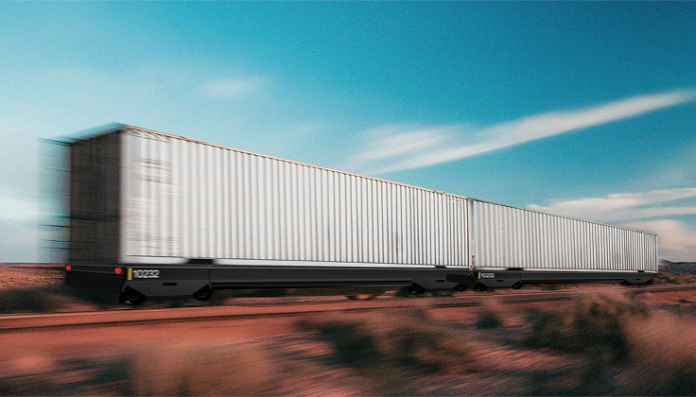
Parallel’s autonomous vehicles are designed to operate on existing rail infrastructure and transport intermodal containers for up to 500 miles on a single charge.
The vehicles can self-sort and assemble into platoons, while integrating with existing rail control and business systems. The technology is designed particularly for shorter and lower-density routes where conventional rail services may be less competitive.
Potential applications include port shuttles, connections between ports and inland logistics facilities, and city-to-city freight movements. Parallel said the system could also help reduce container dwell times, port congestion and reliance on trucks for short-haul freight.
“Parallel enables railroads to handle shorter, lower-density routes competitively, allowing shippers to use rail for short-haul freight that previously required trucks,” said Arun Gupta, Executive Chairman of Parallel Systems.
GCC freight corridors in focus
Agility sees opportunities for autonomous rail technology as major port and railway infrastructure projects advance across the GCC.
The company highlighted the potential to improve container flows from Saudi Arabia’s Red Sea gateways as well as ports serving the Gulf and Arabian Sea.
“Autonomous rail could help unlock additional port capacity and improve container flows,” said Tarek Sultan, Chairman of Agility.
However, no specific ports or rail corridors have yet been selected for deployment.
Under the agreement, Parallel and Agility will work on regional adaptation and testing of the technology, while also addressing regulatory approvals and other requirements needed before commercial operations can begin.