
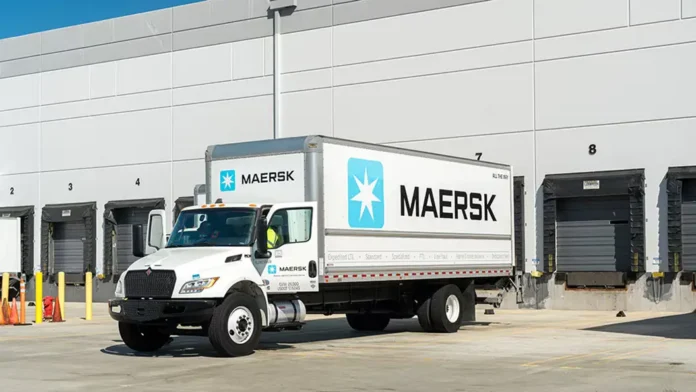
Maersk has introduced a Low Water Surcharge (LWS) for barge transportation to and from selected inland terminals in the Netherlands.
The carrier attributed the surcharge to declining water levels across several Dutch inland waterways. Recent drought conditions have caused navigation restrictions and the temporary closure of the Twentekanaal. As a result, inland transport operations face capacity constraints and higher costs.
The Maersk Low Water Surcharge applies to inland movements performed from 3 August 2026. It will remain in place until water levels return to normal operating conditions.
Low water surcharge levels
Maersk will trigger the surcharge according to water levels at designated measurement points.
| Inland CY | 20′ | 40′ | 45′ | Measurement point and trigger |
|---|---|---|---|---|
| Hengelo | EUR 25 | EUR 50 | EUR 60 | IJsselkop–Twentekanaal, below 2.0 metres |
| Almelo | EUR 25 | EUR 50 | EUR 60 | IJsselkop–Twentekanaal, below 2.0 metres |
| Den Bosch | EUR 15 | EUR 30 | EUR 40 | Sluis Engelen, below 2.6 metres |
| Nijmegen | EUR 25 | EUR 50 | EUR 60 | Tiel Gauge, below 2.0 metres |
| All sailings via Nijmegen | Additional EUR 55 | Additional EUR 100 | Additional EUR 150 | Tiel Gauge, below 1.5 metres |
| Roermond | EUR 25 | EUR 50 | EUR 60 | Waal, below 2.0 metres |
| Venray | EUR 25 | EUR 50 | EUR 60 | Waal, below 2.0 metres |
Low water conditions reduce the carrying capacity of inland barges. They also increase operational costs throughout the supply chain.
Maersk said the Low Water Surcharge would partially offset these additional costs and support service reliability. The carrier added that it could not predict the severity or duration of the low water conditions.