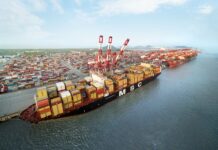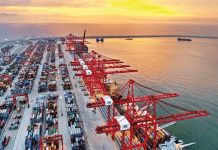

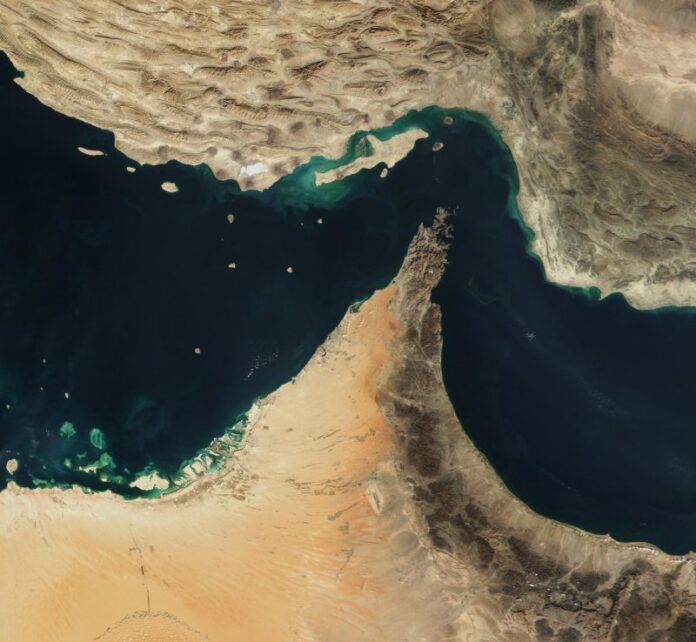
Iran has announced that commercial vessels will be allowed to transit through the Strait of Hormuz for the duration of the ceasefire in Lebanon, marking a significant development for global shipping and energy markets.
The decision was confirmed by Iranian Foreign Minister Abbas Araghchi, who stated that safe and uninterrupted passage would be permitted through the strategically critical waterway as long as the ceasefire remains in effect.
According to Iranian authorities, vessel movements will follow a coordinated routing system established by the country’s Ports and Maritime Organization to ensure safe navigation through the area.
In line with the ceasefire in Lebanon, the passage for all commercial vessels through Strait of Hormuz is declared completely open for the remaining period of ceasefire, on the coordinated route as already announced by Ports and Maritime Organisation of the Islamic Rep. of Iran.
— Seyed Abbas Araghchi (@araghchi) April 17, 2026
President Donald Trump commented on the development via social media.
“Iran has just announced that its straits are fully open and ready for uninterrupted transit. Thank you,” said Donald Trump, President of the United States.

The Strait of Hormuz is one of the world’s most vital maritime chokepoints, handling a significant share of global oil and gas shipments. Any disruption or reopening of the route has immediate implications for international trade and energy supply chains.
In a second post, President Donald Trump added: “The Strait of Hormuz is fully open for commercial shipping, however the naval blockade concerning Iran remains in place until an agreement with Tehran is completed,” said Donald Trump, President of the United States.

Following the announcement, oil markets reacted sharply, with Brent crude for June delivery falling by 10.42% to USD 89.03 per barrel, while US West Texas Intermediate (WTI) for May delivery dropped by 11.11% to USD 84.17 per barrel.
The move is expected to ease immediate concerns over potential supply disruptions in the region, although market volatility remains high amid ongoing geopolitical tensions.
Update 18/04/2026: