
Iran has confirmed it has signed a memorandum of understanding with the United States to end the recent conflict, paving the way for the reopening of the Strait of Hormuz and the resumption of commercial shipping through one of the world’s most important maritime corridors.
Foreign Ministry spokesman Esmaeil Baqaei confirmed the agreement on Thursday after US President Donald Trump announced the deal. According to Iran’s state news agency IRNA, the memorandum was signed electronically by both leaders.
“The text of the Islamabad Memorandum of Understanding was finalized with the signatures of the presidents. Now it is time to test the implementation of the agreement,” Baqaei said.
He added that Tehran saw little need for a formal signing ceremony after both leaders had approved the document electronically. A commemorative ceremony is expected to take place in Switzerland on Friday to launch technical negotiations.
The memorandum establishes an immediate and permanent end to military operations between the United States, Iran and their respective allies. It also sets a 60-day timeline for negotiating a final agreement, with the option of an extension by mutual consent.
Key points of the memorandum
Strait of Hormuz to reopen
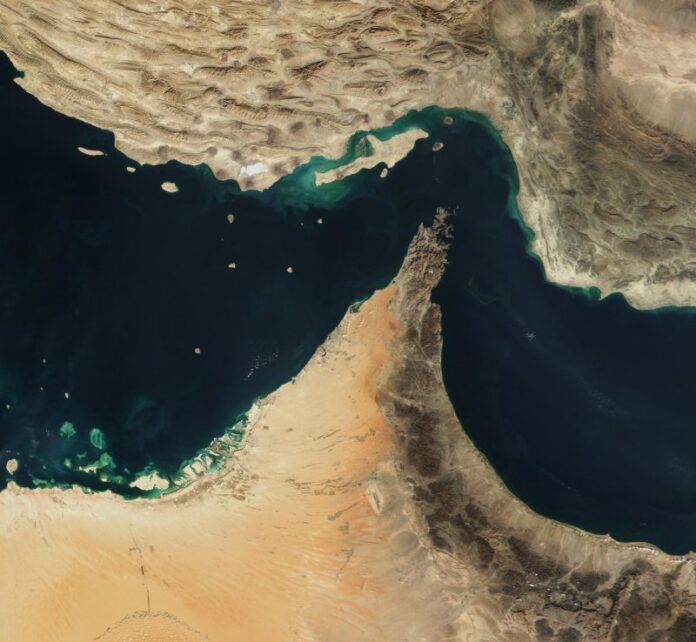
Iran committed to restoring the safe passage of commercial vessels through the Strait of Hormuz. Commercial traffic will resume immediately, while full navigation is expected within 30 days after mine clearance operations are completed.
US to lift blockade and ease sanctions
The United States will immediately begin lifting its blockade of Iranian ports and aims to remove it completely within 30 days. Washington also committed to lifting sanctions, releasing frozen Iranian assets and issuing waivers for Iranian oil exports, petroleum products, banking, insurance and shipping services while negotiations continue.
Final agreement within 60 days
Both countries agreed to negotiate a comprehensive agreement within 60 days. The deadline may be extended if both sides agree.
Nuclear commitments
Iran reaffirmed that it will not develop nuclear weapons and agreed to maintain its current nuclear programme during the negotiations. The future of its enriched uranium will be decided through a mechanism agreed with the International Atomic Energy Agency (IAEA).
US$300 billion reconstruction plan
The memorandum outlines plans for at least US$300 billion in investment by the United States and regional partners to support Iran’s reconstruction and economic development.
UN backing
If the negotiations succeed, both sides intend to seek a binding United Nations Security Council resolution to endorse the final agreement.
Pakistan Prime Minister Shehbaz Sharif, who helped mediate the negotiations, confirmed that the memorandum was signed electronically by US President Donald Trump and Iranian President Masoud Pezeshkian.
The reopening of the Strait of Hormuz is expected to be the first practical step under the agreement and could ease pressure on global energy markets and international shipping after months of disruption.