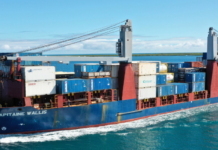


The Greek merchant fleet expanded in July 2026, although its total gross tonnage declined, according to data released by the Hellenic Statistical Authority (ELSTAT).
The fleet of vessels measuring 100 gross registered tonnes (GRT) and above reached 1,868 ships. This represents an increase of 1.4% compared with July 2025. In the previous annual comparison, the fleet had grown by 0.8%.
However, total fleet capacity decreased by 0.7% year-on-year to approximately 34.95 million GRT. Capacity had also fallen by 2.7% between July 2024 and July 2025.
Passenger fleet records strongest growth
Passenger vessels remained the largest category by number, reaching 827 ships in July 2026. This marked an annual increase of 3.4%, while their combined capacity rose by 1.1% to 1.2 million GRT.
The tanker fleet increased by 0.5% to 411 vessels. Tanker capacity rose by 1.2% to 24.74 million GRT, accounting for the largest share of the Greek merchant fleet’s total tonnage.
Meanwhile, the number of cargo ships declined by 2.6% to 343 vessels. Their combined capacity fell more sharply, dropping by 6.1% to 8.87 million GRT.
The remaining vessel categories increased by 1.8% to 287 ships, while their capacity grew by 2.3% to almost 147,000 GRT.
Older ships continue to dominate
Ships aged 30 years and above remained the largest age group, comprising 871 vessels. They represented almost 47% of the entire fleet by number.
At the other end of the age profile, the number of ships aged up to five years increased by 11.9% to 150. Their combined capacity rose by 7% to 6.17 million GRT.
In contrast, the number of vessels aged between five and ten years fell by 15.6%, while their capacity declined by 16.6%.