

Whether you’re transporting raw materials by train or making a last-mile delivery to a customer, shipping strategy is critical throughout the entire supply chain. Yet, speed isn’t the only factor to consider. Shippers are frequent targets of online threats, proving the need for greater cybersecurity measures.
This article takes a look at common threats and targets, such as personal devices, shadow IT, QR code phishing, typosquatting, load board ghosts, and AI voice clones.
1. Personal Device Threats
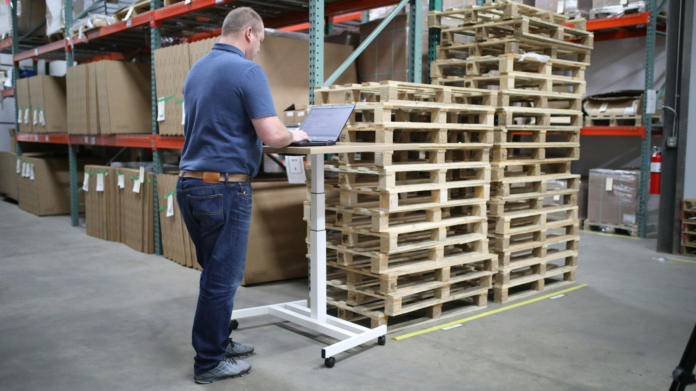
Various scenarios may cause a logistics or maritime employee to switch to their personal laptop during a shift, like a frozen work computer or a Bring Your Own Device (BYOD) policy. While BYOD protocols require personal devices to install mobile device management (MDM) software, shadow IT is still a threat.
Shadow IT is a type of phishing scam that mimics urgent messages from “dispatchers” and “port authorities.” If a user provides their credentials, the shadow IT hackers can easily access the corporate network. Some bad actors may deploy AI-generated voice clones to get warehouses to release high-value cargo, claiming urgent reasons like potential supply chain disruptions.
Logistics companies can beef up their BYOD policies beyond mandated MDM software by requiring employees to install data backup protection and report suspicious dispatcher communications. Additionally, managers can lead BYOD security meetings, helping workers explore security tools inside True Image, an industry-standard backup and recovery solution with antivirus scans, malware detection, and identity protection.
2. QR Code Phishing
Also known as “quishing,” QR code phishing has risen by 146%, according to Yahoo Finance. Logistics facilities are a prime target for these scams, as stickers with malicious QR codes can easily find their way into warehouse depots, driver lounges, and check-in kiosks.
An example would be a driver scanning a code to view a bill of lading or pay a gate fee, only to be redirected to a data-harvesting site that mirrors the official port portal, stealing the driver’s credentials. The stolen credentials are then used to authorize fraudulent pickups or reroute high-value freight.
Logistics companies should advise drivers to check for fraudulent QR code stickers, which are typically placed over legitimate stickers. Handheld scanner apps should also inspect QR code URLs before permitting automated actions.
3. Typosquatting and Load Board Ghosts
Logistics personnel must look out for typosquatting domains that mimic popular freight marketplaces and carrier portals.
Cyber criminals create fraudulent broker profiles with burner accounts, filling up these fake marketplaces with load board ghosts. The counterfeit portals are designed to harvest data, bid on real freight loads, and hijack the cargo using stolen carrier credentials.
Logistics companies should mandate strict policies for freight platforms, including verifying site security certificates and never clicking on freight marketplace links in emails.
Safeguard Your Shipping Operations
Remain vigilant about shipping security at every stage of the supply chain. Create more secure BYOD protocols with data backup solutions, look for malicious QR codes, and protect against counterfeit load portals and fraudulent AI dispatches.
Remember to stay up to date on the latest freight news to protect and scale your supply chain operations.