

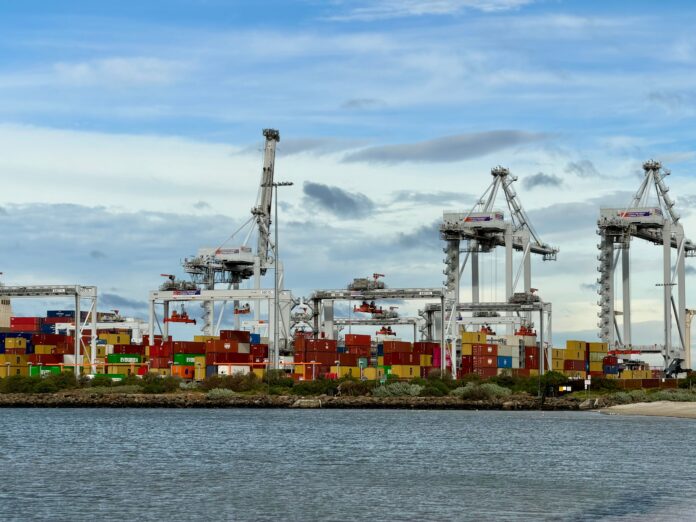
Modern ports are complex ecosystems where thousands of containers, trucks, cranes, and workers operate alongside digital systems that coordinate nearly every aspect of cargo handling. With heavy equipment, hazardous materials, and time-sensitive logistics intersecting, preparedness for emergencies is just as critical as operational efficiency.
Unexpected events, such as equipment failures, hazardous material releases, cybersecurity incidents, and extreme weather, can rapidly disrupt operations. They can also endanger workers and expose ports to significant financial and regulatory risks.
An operationally practical incident playbook turns chaos into controlled, safe, and legally defensible action. It provides a structured response that enables port operators to act quickly, preserve evidence, and meet regulatory requirements.
1. Container Stack Collapse
The Incident Commander (IC) should immediately stop all crane and yard operations in the affected block following the container stack collapse. The immediate next action is to activate site alarms and initiate emergency shutdowns for adjacent gantries or equipment.
After this, they should confirm that no ongoing collapse is occurring. The IC should notify the Executive Duty Officer, who then notifies the CEO, Operations, and Insurance. Evidence collection involves photographing the scene and recording witness statements.
Injured staff should receive immediate triage and transport. These incidents may need to be reported to OSHA, local emergency management agencies, and port authorities.
2. Drayage Pileup Outside the Gate
The first action is to deploy gate controllers and security personnel to manage queue flow and ensure safe pedestrian separation. Gate Operations Lead coordinates truck entries and exits and triages priority moves.
Traffic coordination should also include liaison with local traffic authorities and port community system operators. Collect and preserve evidence, including:
- Gate entry records
- Driver statements
- Traffic camera footage
- Dash camera recordings
- Vehicle inspection and documentation
Provide reliable documentation that investigators and a personal injury lawyer can rely on for timeline reconstruction and expert testimony. Accurate documentation supports investigations, insurance claims, and future safety improvements.
3. Hazardous Material Leak
The first action should be to evacuate and secure the area using predefined exclusion zones for the specific hazmat class.
There should be effective communication among stakeholders, such as:
- Hazmat specialists
- Fire department
- Port leadership
- Environmental regulatory agencies
- Downstream stakeholders and carriers
- Coast guard
There should be immediate reporting to emergency services when life or safety is at risk. The evidence preservation checklist includes spill containment, scene photography, and documentation of container identification numbers.
Workers potentially exposed to hazardous materials should receive
- Immediate medical evaluations
- Exposure documentation
- Ongoing health monitoring when appropriate
- Psychological first aid
4. Cyber Outage Halting the TOS
The first immediate action should be to activate the cyber incident response teams. Disconnecting suspected compromised systems from the network is key to preventing lateral spread. Communication should be coordinated among:
- Cyber Incident Commander
- Third-party technology providers (IT security teams)
- Terminal operations
- Carriers and port authority
Always preserve logs for immediate forensic analysis. Evidence preservation checklist includes:
- System logs
- Backup snapshots
- Access records
- Forensic images of affected servers and endpoints
Staff should be provided with clear, repeated instructions for manual workflows. Reassigning staff to critical manual roles with adequate breaks can prevent errors.
5. Extreme Weather Shutdown
Suspend crane operations immediately during hurricanes, severe storms, extreme winds, or other hazardous weather conditions. Secure loose equipment and lash containers where appropriate. Move vulnerable cargo to protected storage.
Communication should be maintained with:
- Port leadership
- Trucking partners
- Emergency management agencies
- Vessel operators
- Shipping lines
Photograph and document pre-shutdown securement and post-weather damage. Worker care and support should include adequate rest periods, regular communication with injured employees, and clear return-to-work guidance.
Build a Stronger Incident Response Strategy Before the Next Emergency
While no port operator can eliminate every operational risk, every organization can strengthen its response to incidents. Prepared playbooks save lives, protect assets, and reduce legal and financial exposure.
Ready to upgrade your incident readiness? Visit our website for more maritime safety insights and discover practical ways to strengthen the resilience of your port operations.