
At the global aggregate level, the Red Sea crisis created a measurable drag on global schedule reliability. Conversely, the Hormuz disruption has not yet registered as a global negative event; in fact, global schedule reliability in March 2026 improved by 3.9 percentage points, exceeding normal pre‑pandemic seasonal baselines. This is shown in Figure 1.

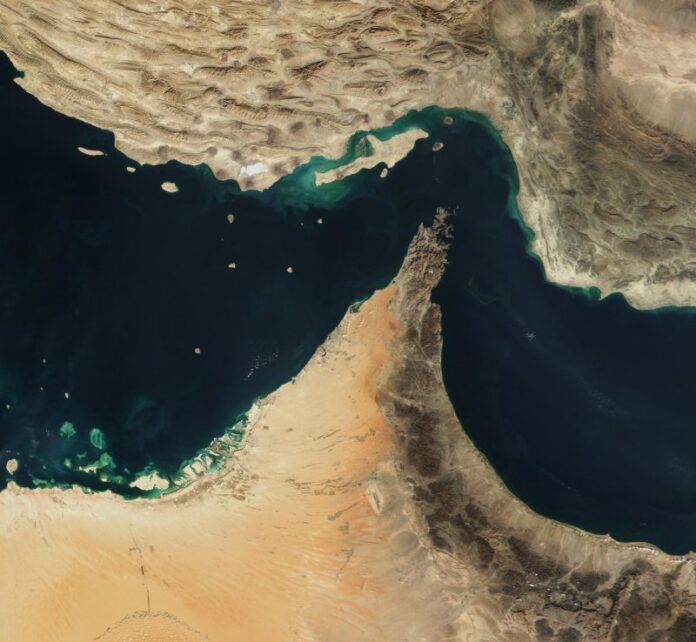
This apparent global resilience during the Hormuz crisis is driven by a stark operational pivot. Unlike the Red Sea crisis, which acted as a transit time penalty, the Hormuz blockade created a hard volume shock. Faced with an impassable strait, carriers did not hold vessels in indefinite anchorage. Instead, they overwhelmingly chose to abandon the blocked network entirely, leading to a near‑total collapse in vessel arrivals to the Middle East.
However, this forced abandonment generated a severe, localized landside crisis. Carriers were forced to abruptly offload their diverted Middle East‑bound pipeline cargo at the nearest viable hubs outside the blockade, such as West Coast India and Colombo in Sir Lanka. Because these hubs received massive, unplanned discharges of cargo, a landside bottleneck was generated. The sheer volume of this dumped cargo quickly overwhelmed physical yard space, causing schedule reliability crises on unrelated trade lanes which used the same transhipment hubs in their service strings.
Ultimately, the data demonstrates that a localized maritime blockade can rapidly translate into a crippling landside yard congestion crisis.