
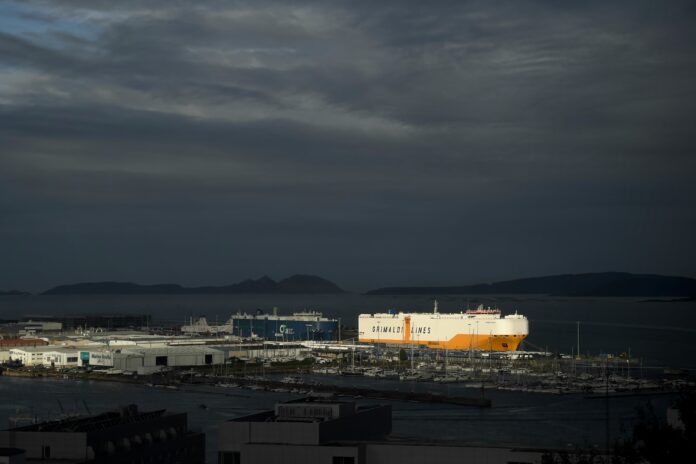
Roll-on/Roll-off (RoRo) shipping handles the majority of the world’s seaborne used-vehicle trade. Major auto terminals at Brunswick, Baltimore, Bremerhaven, and Yokohama process millions of cars and light trucks each year, and most of them arrive with at least one mechanical fault even when no visible damage appears on the gate-out report.
The cause is structural rather than accidental. A vehicle that sits idle on a marine deck for three to six weeks accumulates predictable issues — depleted batteries, rusted brake rotors, perished rubber seals, and air-conditioning systems that need a full car ac check after weeks of inactivity in humid sea air. Carriers, importers, and experienced terminal operators all expect this.
This article explains how RoRo transit affects vehicle condition, what to inspect at the port, and which service work should not wait before the first long drive.
Why RoRo Shipping Dominates the Used Car Import Trade
RoRo controls the used-vehicle import market because it offers faster handling, lower per-unit cost, and direct drive-on/drive-off operations that container shipping cannot match for self-propelled cargo.
RoRo vs container shipping for vehicles
RoRo vessels load cars by driving them on board through stern or side ramps. Container shipping requires lashing each vehicle inside a steel box, which adds labor cost and limits volume. RoRo capacity per vessel ranges from 2,000 to over 8,000 car equivalent units, making it the only economical option for high-volume used car flows.
Major US and global auto terminals
The Port of Brunswick (Georgia) is the busiest US auto terminal by volume, followed by Baltimore, Newark, Tacoma, and Jacksonville. Globally, Bremerhaven, Yokohama, Southampton, and Jebel Ali handle the largest export volumes feeding US imports.
What RoRo Transit Does to a Vehicle Mechanically
Vehicles sitting on a moving deck for weeks face a combination of stresses that no parked car on land experiences. Salt, humidity, vibration, and forced inactivity produce a recognizable pattern of damage across nearly every shipment.
Salt spray, humidity, and corrosion exposure
Open-deck vehicles receive direct salt spray; enclosed-deck cars face high humidity that condenses on cold surfaces overnight. Bare metal — brake discs, exposed bolts, exhaust components — develops surface rust within days of departure.
Battery drain and tire flat-spotting
Modern vehicles draw 20 to 80 milliamps in standby mode for security systems, ECUs, and telematics. A typical RoRo voyage of 25 to 40 days fully discharges most 12V batteries unless they are disconnected before loading. Tires under static load develop flat spots that may or may not recover after several hundred miles of driving.
Fuel restrictions and fluid degradation during transit
Most RoRo carriers require fuel tanks to be at or below quarter-full for fire safety. Engine oil, brake fluid, and coolant absorb moisture during long idle periods and lose their protective properties. Power steering fluid darkens, and refrigerant levels in the AC system fall slowly through static seals.
The Most Common Mechanical Issues After RoRo Arrival
The faults found during gate-out inspection and the first week of ownership follow a consistent pattern across origin countries and vehicle types.
Battery and electrical system faults
Dead 12V batteries are the single most common post-arrival fault. Hybrid and EV high-voltage batteries also self-discharge during long voyages, occasionally triggering fault codes that require dealer-level diagnostic tools to clear.
Brake corrosion and seized calipers
Surface rust on rotors is normal and typically clears after a few brake applications. Seized caliper sliders, glazed pads, and partially locked parking brakes are more serious and require disassembly and lubrication.
Perished rubber, fluids, and tire condition
Tire sidewalls dry-crack under prolonged sun and salt exposure. Brake fluid absorbs moisture and loses boiling-point margin. Window seals, door rubbers, and engine bay vacuum hoses harden and can leak under pressure. Replacement timing depends on storage duration, but most fluids should be flushed if the voyage exceeds 30 days.
Pre-Delivery Inspection – What to Check Before Leaving the Terminal
Damage claims must be filed within a fixed window after vehicle release, so the inspection performed at the auto terminal carries direct financial weight.
Visual checks and gate-out documentation
Buyers should compare the gate-in condition report with the gate-out condition, note all dents, scratches, and missing accessories before signing release paperwork, and take dated photographs at the terminal as evidence for any future claim.
Filing damage claims with the carrier
Notice of damage must usually reach the carrier within 7 to 30 days depending on the bill of lading terms. Late claims are routinely denied regardless of damage severity.
Post-Import Auto Repair Tasks That Cannot Be Delayed
Driving an imported vehicle straight from the terminal to a long-distance destination is a documented cause of preventable failures. A short list of service items should be completed before any highway driving.
First-week safety inspection checklist
Brake operation under load, tire condition, fluid levels and quality, lighting, suspension play, and battery state-of-charge form the minimum inspection scope. Each item carries direct safety weight on the first long drive after release.
When to choose a specialist auto repair shop
General mechanics handle most post-import service tasks, but RHD Japanese imports, European emissions retrofits, and EV high-voltage diagnostics often require shops with specific training and tooling. A specialist familiar with imported vehicles identifies region-specific faults that a general garage frequently misses. Issues missed at the first service often reappear during the first oil change or tire rotation, by which time the warranty window with the importer has usually closed.
How a Vehicle’s Country of Origin Shapes Its Repair Profile
Country of origin predicts which faults appear first. Climate, road conditions, fuel quality, and regulatory standards in the source market all leave measurable traces.
Japan, Europe, and Middle East – distinct fault patterns
Japanese vehicles are typically well-maintained but carry RHD-specific parts and JDM-only systems. European imports often need DOT compliance retrofits and emissions hardware adjustments. Middle East vehicles arrive with heat-stressed AC components, accelerated rubber wear, and sun-faded plastics.
How RoRo Carriers Are Reducing Vehicle Damage in 2026
Carriers and terminal operators are responding to rising claim volumes and growing EV cargo share with operational changes. Climate-controlled storage is expanding at major hubs, pre-shipment battery disconnection is becoming a standard procedure, and AI-assisted damage detection is being deployed for gate-out inspections at several leading auto terminals. Major operators including NYK, K Line, and Höegh have published voluntary handling protocols that US terminals are adopting through 2026.
RoRo shipping is efficient but mechanically taxing on idle cargo. Buyers should treat imported used cars as vehicles requiring immediate post-arrival service, schedule a full inspection within the first 100 miles, and document terminal condition for any damage claims before driving away.