

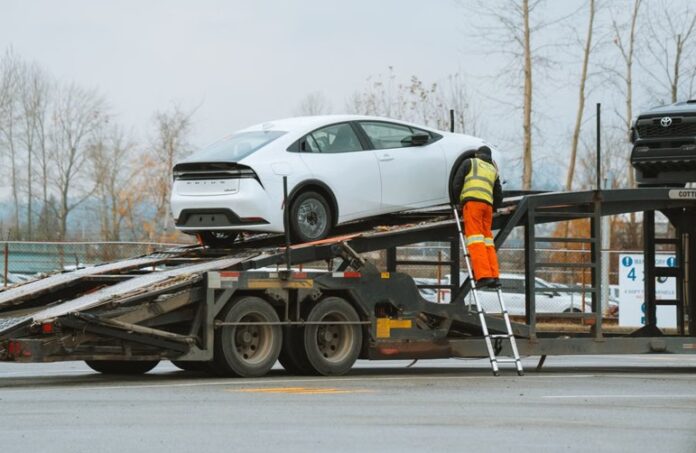
Shipping a damaged vehicle is possible, but careful preparation is essential. Completing a thorough inspection before transport helps reduce delays, prevents disputes, and ensures carriers have the information they need to move the vehicle safely.
Damaged vehicles often require additional planning compared to fully operational cars. Mechanical issues, body damage, documentation requirements, and transportation methods all play a role in determining whether a shipment proceeds smoothly.
Preparing a vehicle before pickup can save time, reduce unexpected costs, and improve communication with the carrier. Use the following checklist to make sure your damaged vehicle is ready for transport in 2026.
Start With a Complete Vehicle Assessment
A detailed inspection provides the foundation for a successful shipment. Recording the vehicle’s condition before transport creates a clear record for both the owner and the carrier.
If a vehicle cannot meet a carrier’s acceptance requirements or transportation costs outweigh its value, owners may decide to use Cash for Cars as an alternative by selling a non-running vehicle domestically. Having a backup plan can simplify the process when shipping is no longer the most practical option.
1. Document Existing Damage
Photographs provide valuable evidence of the vehicle’s condition before transport. Capture multiple angles, close-up images of damaged areas, and wide shots showing the vehicle as a whole.
A complete photo record should include:
- Front view
- Rear view
- Both sides
- Interior damage
- Wheel condition
Detailed documentation helps minimize disagreements if questions arise after delivery.
2. Check for Fluid Leaks
Fluid leaks can create safety concerns during transportation. Oil, coolant, transmission fluid, or fuel leaks should be identified before scheduling pickup.
Minor leaks should be disclosed to the carrier, while significant leaks may require repairs before transport can proceed.
3. Verify Tire and Steering Condition
Even non-running vehicles must often roll freely for loading and unloading. Flat tires or damaged steering components can complicate the loading process.
Inspect the following items:
- Tire pressure
- Steering movement
- Wheel damage
- Brake condition
- Suspension stability
Addressing these issues beforehand helps avoid delays on pickup day.
4. Confirm the Vehicle Can Shift Into Neutral
Many carriers require vehicles to roll during loading, even if the engine no longer runs. Confirm whether the transmission can be placed into neutral safely.
Vehicles that cannot shift into neutral may require specialized loading equipment, which should be arranged in advance.
5. Identify Safe Winch and Tie-Down Points
Damaged vehicles often need to be winched onto transport equipment. Clearly identifying secure attachment points helps carriers load the vehicle safely without causing additional damage.
Factory-designated tie-down locations are generally the preferred option whenever possible.
6. Disconnect the Battery When Appropriate
Battery condition should be evaluated before transport. Some carriers recommend disconnecting damaged batteries to reduce electrical risks during shipment.
Electric vehicles may also have additional transportation requirements depending on battery condition and manufacturer recommendations.
7. Verify EV Battery Charge Levels
Electric vehicles often require a limited state of charge before shipping. Lower battery levels generally reduce transportation risks while still allowing necessary vehicle movement.
Review carrier guidelines before pickup to ensure compliance with current shipping requirements.
8. Organize Documentation
Accurate paperwork keeps the transportation process moving efficiently. Missing documents can delay shipments or create unnecessary complications.
Gather important records before pickup:
- Vehicle title
- Registration
- Identification
- Insurance information
- Shipping agreement
Organized documentation helps both carriers and vehicle owners complete the transaction more smoothly.
9. Review Customs Information for International Shipments
International shipments require additional attention to customs documentation. Incorrect information can delay border clearance or result in unexpected fees.
Verify all vehicle identification numbers, ownership records, and destination information before shipping begins.
10. Understand Carrier Acceptance Requirements
Every transportation company has its own guidelines for damaged vehicles. Some carriers limit the types of damage they will accept, while others specialize in transporting severely damaged automobiles.
Review acceptance policies early to avoid scheduling delays or unexpected cancellations.
11. Verify Insurance Coverage
Insurance protection should be clearly understood before the vehicle leaves your possession. Review both your personal policy and the carrier’s coverage to identify any potential gaps.
Important insurance details include:
- Coverage limits
- Deductibles
- Exclusions
- Claim procedures
- Documentation requirements
Understanding available protection provides greater confidence throughout the shipping process.
12. Secure Loose Parts
Broken trim pieces, detached mirrors, or loose accessories should be removed or properly secured before transportation. Moving parts can shift during transit and cause additional damage.
Packaging loose components separately helps preserve valuable parts while reducing transportation risks.
13. Choose the Right Shipping Method
Selecting the appropriate transportation method depends on the vehicle’s condition, destination, and budget. Roll-on/roll-off shipping may work well for some vehicles, while containers provide additional protection for others.
Factors to compare include:
- Vehicle condition
- Shipping distance
- Weather exposure
- Budget
- Delivery timeline
Evaluating each option helps ensure the transportation method matches the vehicle’s specific needs.
Prepare Before Shipping for Better Results
Shipping a damaged vehicle requires more preparation than transporting a standard passenger car. Careful inspections, accurate documentation, and open communication with the carrier can help prevent unnecessary complications.
Completing these 13 checks before pickup improves the chances of a smooth transportation experience while reducing surprises along the way. If shipping is no longer the best solution because the vehicle cannot meet carrier requirements, Cash for Cars offers an alternative for owners looking to sell a non-running vehicle instead.