

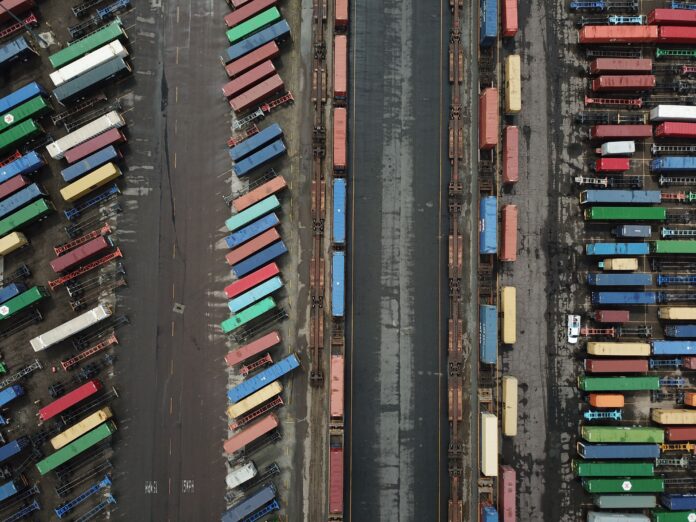
Container logistics is becoming increasingly digital. Freight forwarders, carriers, shippers, ports, and logistics teams now rely on platforms that combine booking, container tracking, document exchange, shipment visibility, alerts, analytics, and workflow automation. These tools are no longer optional extras. They are becoming part of the operating layer of modern shipping.
But as digital logistics platforms become more powerful, they also become more complex. A platform may offer real-time container tracking, predictive ETAs, automated alerts, and ERP or TMS integrations, but those features only create value if users can understand and act on them quickly. That is why many logistics technology companies evaluate their interfaces through the lens of a product design agency when improving dashboards, customer portals, tracking workflows, and operational tools.
In freight and container logistics, product design is not about decoration. It determines how clearly users see shipment status, how quickly exceptions are handled, and how confidently teams make operational decisions.
Digital Logistics Is Changing Customer Expectations
Traditional freight management often depended on emails, phone calls, spreadsheets, and manual status updates. This created delays and uncertainty, especially when shipments moved across multiple carriers, ports, and modes of transport.
Digital freight platforms changed that expectation. Customers now expect access to shipment data, status visibility, and notifications in near real time. Container tracking platforms are commonly described around capabilities such as real-time tracking, automated alerts, and integration with ERP or TMS systems for more efficient cargo management.
This shift means logistics software must do more than store information. It must present complex movement data in a way that is clear, reliable, and actionable.
Visibility Is Only Useful When It Is Understandable
Supply chain visibility is one of the biggest promises of logistics technology. Modern platforms can track containers, show vessel locations, monitor milestones, estimate arrival times, and trigger alerts when something changes.
However, visibility can become overwhelming if the interface is poorly designed. A dashboard filled with statuses, timestamps, port codes, vessel names, shipment IDs, and exception alerts may contain valuable data, but users still need to understand what matters most.
Good product design helps answer the questions users care about immediately:
Where is the container now?
Is the shipment on schedule?
What changed since the last update?
Is action required?
Who needs to respond next?
When a platform answers these questions clearly, visibility becomes operational intelligence rather than raw data.
Container Tracking Requires Clear Information Hierarchy
Container tracking platforms often bring together data from carriers, terminals, AIS signals, schedules, and customer systems. That creates a high volume of information.
Without strong information hierarchy, users may struggle to separate critical exceptions from routine updates. A delayed shipment, a rolled container, a customs hold, or a missed transshipment should not appear with the same visual weight as a normal milestone update.
Good design uses hierarchy to guide attention. Critical issues should be visible first. Supporting details should be easy to access but not overwhelming. Historical data should be available without cluttering the main view.
This is especially important for logistics teams managing multiple shipments at once. They need fast scanning, not slow investigation on every screen.
Alerts Must Be Actionable, Not Noisy
Automated alerts are one of the most useful features in modern freight platforms. But alerts can become a problem when they are too frequent, unclear, or poorly prioritized.
If every update feels urgent, users start ignoring notifications. If alerts do not explain what happened or what to do next, they create confusion instead of clarity.
A well-designed alert system should show the event that triggered the alert, the shipment or container affected, the operational impact, the recommended next step, and the responsible party or team.
This turns alerts into decision support rather than background noise.
Freight Platforms Must Support Different User Roles
A digital freight platform rarely serves only one type of user. A shipper wants status visibility and predictable communication. A forwarder needs operational control and document access. A carrier may focus on schedules, capacity, and milestones. A customer service team needs exception handling and communication history.
If every user sees the same overloaded interface, the platform becomes difficult to use.
Role-based UX helps solve this problem. Each user should see the information most relevant to their responsibilities while still having access to deeper data when needed.
For example, a customer may need a clean shipment timeline, while an operations manager may need routing details, exception history, and carrier performance. Both experiences can exist in the same platform, but they should not be designed identically.
Document Management Is Part of the Experience
Shipping depends heavily on documents: bills of lading, invoices, customs forms, delivery orders, packing lists, certificates, and release instructions. When document workflows are disconnected from tracking workflows, teams waste time searching through emails or external systems.
A strong freight platform connects documents to the shipment context. Users should be able to see which documents are required, which have been uploaded, which are pending approval, and which are linked to a specific milestone.
This reduces errors and makes collaboration easier across parties.
Recent digital freight booking platforms increasingly combine shipment visibility, centralized document management, configurable workflows, self-service capabilities, and collaboration between shippers, operators, and logistics partners.
Design Can Reduce Support Pressure
Many logistics companies invest in digital platforms to improve service, but if the platform is hard to use, customers continue contacting support for basic updates.
That defeats part of the purpose of digitalization.
Good product design reduces support pressure by making self-service easier. Customers should be able to find shipment status, download documents, understand delays, and contact the right person without searching through multiple channels.
This does not replace human support. It makes support more efficient by reducing repetitive questions and allowing teams to focus on complex issues.
Data Visualization Matters in Supply Chain Decisions
Logistics data is complex. Routes, delays, port congestion, dwell time, emissions, capacity, and cost all influence decisions. If this information is presented poorly, users may miss patterns or act too late.
Supply chain visibility platforms often compete on features such as multimodal tracking, predictive ETAs, exception management, yard visibility, and network-wide insights. These capabilities require thoughtful visualization to be useful.
Maps, timelines, status cards, exception views, and comparative dashboards can help users interpret large volumes of data faster. The goal is not to show every data point at once. The goal is to help users see what needs attention.
Mobile UX Is Critical for Logistics Teams
Logistics rarely happens only at a desk. Truckers, warehouse teams, port workers, field operators, and managers often need access to information from mobile devices.
A mobile freight platform should support quick actions:
Checking shipment status
Confirming pickup authorization
Receiving delay alerts
Uploading documents or photos
Contacting the responsible party
Reviewing next milestones
If mobile workflows are slow or cluttered, operational response slows down. In logistics, delays can quickly become costly.
AI and Predictive Tools Need Strong UX
AI is increasingly being used in shipping for predictive maintenance, route optimization, exception detection, and operational planning. AI-powered shipping systems are already being discussed around predictive maintenance, vessel sensor data, digital twins, and route optimization based on performance, traffic, GPS, and weather inputs.
But AI insights must be presented carefully. Users need to understand what the system predicts, how confident the prediction is, and what action is recommended.
If AI outputs appear without explanation, users may ignore them. If they are presented with clear context and practical next steps, they can improve decision-making.
This is another area where product design directly affects business value.
Why Product Design Supports Digital Adoption
Digital transformation often fails not because the technology is weak, but because users do not adopt it fully. A platform may have strong functionality, but if users continue relying on spreadsheets, email chains, and manual calls, the expected value is lost.
Product design supports adoption by making the new workflow easier than the old one. If shipment tracking is clearer inside the platform than in an email thread, users will return to the platform. If document upload is faster than sending attachments manually, the new workflow becomes natural. If alerts help users act faster, they become valuable rather than annoying.
Adoption depends on perceived usefulness and ease of use. Product design influences both.
Conclusion
Digital freight platforms are reshaping container logistics by improving visibility, automating workflows, and connecting stakeholders across the supply chain. But technology alone is not enough. The value of a platform depends on whether users can understand information, act on alerts, manage exceptions, and collaborate efficiently.
Strong product design turns complex logistics data into clear operational workflows. It helps shippers, forwarders, carriers, ports, and customers move from uncertainty to action.
As container logistics becomes more digital, the platforms that succeed will not simply be the ones with the most features. They will be the ones that make complexity easier to manage.