

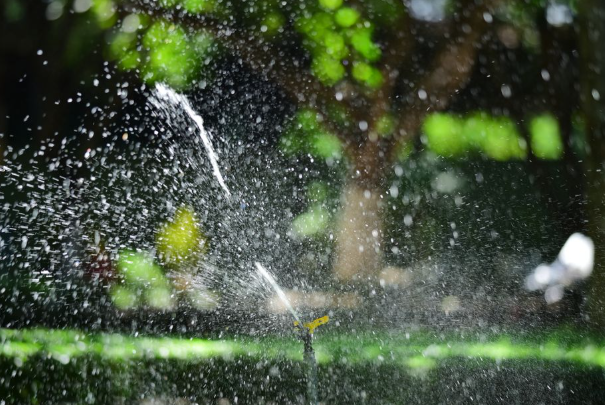
If you live in the Carrollwood area, you already know your yard deals with a strange mix of heavy rain, sandy soil, blazing sun, and strict expectations about curb appeal. A sprinkler system can either help you stay ahead of that chaos or quietly waste water while your lawn struggles anyway. Knowing how irrigation problems develop gives you a big advantage, especially when small issues can turn into soggy patches, brown grass, and higher utility bills.
Why sprinkler problems are easy to miss until your lawn starts complaining
Most irrigation systems fail quietly.
You usually won’t hear a dramatic clunk or see a warning light flashing like a movie control panel. Instead, you get subtle clues: one patch of grass turning straw-colored, water pooling near the sidewalk, or a spray head watering your driveway with absolute confidence.
In Florida neighborhoods, these issues can build fast because heat speeds up stress on turf and plant roots. A clogged nozzle, cracked lateral line, or bad valve can throw off coverage long before you realize it. The result isn’t just cosmetic. Uneven irrigation can invite weeds, shallow roots, fungal issues, and runoff.
If you manage property, own a home, or simply don’t want your lawn looking like it lost an argument with the sun, catching those signs early matters more than most people expect.
What proper repair looks like beyond replacing a broken head
A good repair job isn’t just swapping one visible part and calling it a day.
Real irrigation troubleshooting usually means checking pressure, arc pattern, nozzle size, valve function, coverage overlap, drainage, and controller timing. You want the whole system looked at as a network, not as a collection of random parts in the dirt.
That matters because one broken head can be a symptom, not the full problem. Maybe pressure is too high. Maybe a valve is leaking. Maybe the zone design no longer fits the current landscaping after years of changes.
If you’re evaluating sprinkler repair in Carrollwood, it helps to think in terms of efficiency and coverage, not just emergency fixes. A useful repair restores consistent watering while reducing overspray, runoff, and stress on both lawn and hardware.
Common causes of irrigation damage in warm, high-growth regions
Sprinkler systems in places like Carrollwood work hard year-round.
That constant use creates wear in ways people often underestimate. Tree roots can shift underground piping. Sandy soil can expose components over time. Mowers and edging tools love to attack sprinkler heads with surprising accuracy. Add summer storms, fluctuating water pressure, and aging parts, and you get a system that needs occasional attention even if it was installed correctly.
One of the biggest troublemakers is misalignment. A head that tilts slightly can miss a planting bed entirely. Another common issue is zoning imbalance, where one area gets too much water while another stays dry. Controllers can also drift from seasonal needs, running too often after rainy weeks.
The system still appears functional, but its performance drops. That gap between “on” and “working properly” is where a lot of water gets wasted.
How water efficiency connects to property costs and neighborhood standards
Irrigation problems don’t stay in the yard.
They show up in your monthly water bill, your landscape maintenance costs, and sometimes your relationship with the neighborhood association. A system that overwaters can create fungus, attract pests, weaken roots, and leave decorative plants looking worse despite using more water. Underwatering causes its own mess, especially in heat-sensitive turf.
There’s also the hard cost of neglect. Replacing dead sod or mature shrubs is often far more expensive than fixing valves, heads, or drip lines early. For landlords and property managers, poor irrigation can quickly turn into repeated service calls from tenants who notice muddy walkways or dying landscaping around entry areas.
Many local governments and water utilities also promote efficient watering schedules. A system that leaks or sprays pavement isn’t just sloppy. It can put you on the wrong side of common-sense conservation, which in Florida is not exactly a minor issue.
Signs you should stop adjusting the timer and inspect the system itself
A lot of people treat every lawn issue like a scheduling problem.
Grass looks stressed, so the timer gets bumped up. Beds seem dry, so another day gets added. That can backfire fast if the real issue is mechanical. More runtime won’t fix a blocked nozzle, broken riser, severed pipe, or stuck valve. It only sends more water into the wrong place.
Watch for these warning signs:
– Sputtering or uneven spray patterns
– Water pooling near one head or valve box
– Sudden spikes in water use
– Dry circles between sprinkler heads
– Gushing heads that don’t retract
– Zones that stay on after the cycle ends
– Pavement getting more water than plants
Those symptoms usually point to physical or hydraulic issues, not just bad timing. Once you know the difference, you stop guessing and start solving the actual problem.
Why local conditions in Carrollwood change the repair conversation
Location matters more than many irrigation articles admit.
Carrollwood landscapes often include a mix of turf, palms, hedges, ornamentals, and shaded sections under mature trees. That variety creates different watering needs within the same property. Add Florida’s frequent rain events and humid conditions, and you need a system that waters with accuracy, not enthusiasm.
Local soil conditions can also affect drainage and absorption. Some spots dry out faster, while others hold water long enough to stress roots. A generic fix that ignores those site-specific patterns may restore flow without improving performance.
That’s part of why local repair knowledge matters. Someone familiar with common turf types, area weather patterns, and neighborhood irrigation setups can usually spot practical issues faster. In a place where landscapes grow quickly and weather shifts hard, irrigation isn’t static. It needs periodic correction to stay efficient.
What you can check yourself before calling in professional help
You don’t need to become an irrigation engineer overnight.
A simple walkthrough while each zone runs can reveal a lot. Look for heads that don’t pop up fully, sprays blocked by overgrown plants, water hitting fences or sidewalks, and soggy spots that appear after short cycles. Open the controller and confirm the schedule still makes sense for current weather.
You can also note whether all heads in a zone have similar spray strength. Weak output in one section may point to a leak or pressure issue. If one area keeps drying out, check whether the nozzle type matches the surrounding heads.
Still, some problems live underground or inside valves and wiring. If symptoms repeat after basic adjustments, it’s usually time for a deeper inspection. Irrigation has a funny way of punishing confident guesswork.
A well-repaired system does more than keep grass green
A healthy irrigation system supports the whole landscape.
It helps roots grow deeper, keeps beds looking consistent, reduces erosion, and cuts back on needless water loss. It also makes routine maintenance easier because mowing crews, landscapers, and homeowners aren’t constantly reacting to wet spots, dry patches, or plant decline.
For Florida properties, that reliability matters. Heat, storms, and fast plant growth can expose weak points quickly. Keeping your sprinkler system in working order is less about chasing a perfect lawn and more about managing water intelligently in a demanding climate.
If you pay attention to warning signs, understand how local conditions affect performance, and treat repairs as part of overall property care, your yard has a much better shot at staying healthy without burning money through the spray heads. That’s a solid win for your lawn, your budget, and your weekends.