
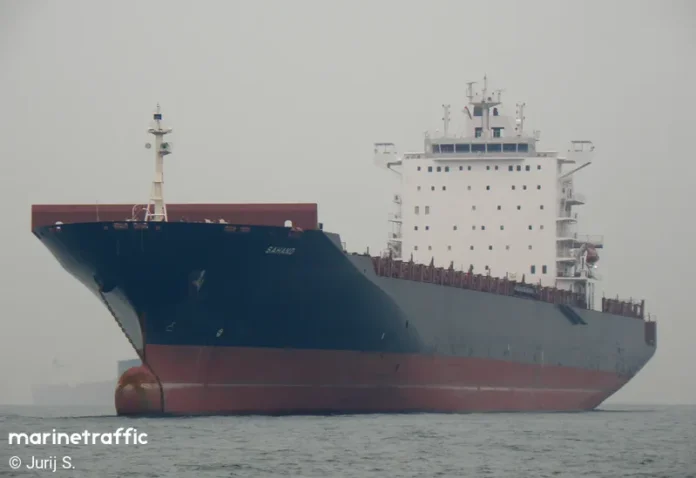
In the first major direct engagement since the implementation of the April 13 naval blockade, the USS Spruance (DDG 111) intercepted and disabled an Iranian-flagged cargo vessel, the M/V Touska, as it attempted to sail toward the port of Bandar Abbas on April 19, 2026.
Interception and Standoff
The Arleigh Burke-class guided-missile destroyer intercepted the 900-foot vessel while it was transiting the north Arabian Sea at 17 knots. According to a statement from U.S. Central Command (CENTCOM), American forces issued multiple warnings over a six-hour period, informing the crew that they were in violation of the ongoing U.S. blockade.
When the Touska failed to comply with repeated orders to alter course, the USS Spruance directed the crew to evacuate the engine room. The destroyer then fired several rounds from its 5-inch MK 45 gun into the ship’s propulsion compartment, effectively disabling the vessel in the water.
Seizure and Custody
Following the engagement, U.S. Marines from the 31st Marine Expeditionary Unit (MEU) conducted a boarding operation.
-
Current Status: The M/V Touska remains in U.S. custody.
-
Legal Background: U.S. President Donald Trump noted on Truth Social that the Touska was already under U.S. Treasury sanctions due to a prior history of illegal activity.
-
Proportional Action: CENTCOM described the use of force as “deliberate, professional, and proportional.”
Blockade Enforcement Progress
This incident marks a significant escalation in the enforcement of the blockade, which was established following the collapse of peace negotiations in Islamabad.
Since the operation began on April 13, U.S. forces—comprising over 10,000 personnel and a dozen warships, have directed 25 commercial vessels to turn around or return to port. While vessels transiting to and from non-Iranian ports are permitted through the Strait of Hormuz, all traffic heading to Iranian coastal areas remains strictly prohibited.
In response to the seizure, Iranian state media has issued warnings of “retaliation and revenge” against what they termed “armed piracy” by the U.S. military, further straining a fragile regional ceasefire.