

PortSide Stories: Ambarli
Where Global Trade Meets Istanbul
On the European shore of the Sea of Marmara, Ambarli serves as one of Türkiye’s most important container gateways. Located west of central Istanbul, the port area connects the country’s largest economic region with major maritime routes across the Mediterranean, Black Sea and beyond.
Ambarlı is home to several terminal operations and handles significant volumes of containerized cargo. Its location near Istanbul gives it direct access to a vast industrial and consumer market.
Beyond the terminals lies one of the world’s great maritime cities. Istanbul has grown around the Bosphorus for centuries, creating a unique meeting point between Europe and Asia.
Ambarlı: A Major Container Gateway
Ambarlı plays an important role in Türkiye’s container shipping network. Its terminals serve international liner services and handle cargo moving between Türkiye and markets across Europe, Asia and the Mediterranean.
The port’s location is a major advantage. Istanbul and the surrounding Marmara region form the industrial and commercial heart of the Turkish economy.
Road connections link the terminals with manufacturers, warehouses and logistics centers across the region. As a result, Ambarli supports both Türkiye’s imports and its export-driven industries.
Where Seas and Continents Meet
Few port regions have a geographic setting quite like Istanbul.
The Bosphorus connects the Black Sea with the Sea of Marmara. From there, vessels continue through the Dardanelles toward the Aegean and Mediterranean.
For centuries, this position made Istanbul a center of commerce between Europe and Asia. Merchant vessels from different cultures passed through its waters, helping shape the city’s extraordinary maritime identity.
Today, that tradition continues. Cargo ships, tankers, ferries and recreational vessels make Istanbul’s waterways some of the most fascinating maritime scenes in the world.
Taste the Flavors of Istanbul
Istanbul’s food scene reflects centuries of cultural exchange.
Start with a traditional Turkish breakfast featuring cheese, olives, tomatoes, eggs and fresh bread. Later, try grilled kebabs, köfte or a selection of meze served with seafood.
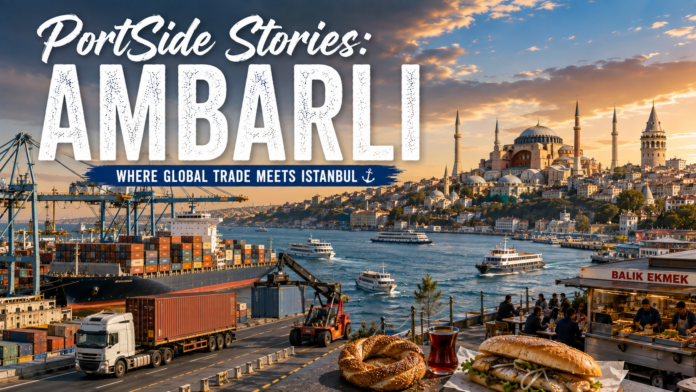
Near the waterfront, look for balık ekmek, the famous fish sandwich associated with Istanbul’s maritime neighborhoods.
For something sweet, choose baklava or Turkish delight. Finish with strong Turkish coffee or a glass of traditional tea.
Street-food lovers should also try simit, the sesame-covered bread rings sold throughout the city.
Discover Istanbul’s Historic Icons
No visit is complete without exploring Hagia Sophia, one of the city’s most recognizable monuments and a landmark shaped by centuries of Byzantine and Ottoman history.
Nearby stands the magnificent Blue Mosque, famous for its domes, minarets and intricate interior decoration.
Continue to Topkapı Palace, once the administrative heart and residence of the Ottoman sultans.
Then explore the Grand Bazaar, where thousands of shops fill a maze of historic streets and covered passages.
Experience the Bosphorus
The best way to understand Istanbul’s relationship with the sea is from the water.
Take a ferry or Bosphorus cruise between Europe and Asia. Along the way, historic palaces, mosques, waterfront mansions and modern neighborhoods line both shores.
Visit the Galata Tower for panoramic views across the historic city and the Bosphorus.
You can also explore Karaköy, where historic maritime character meets cafés, restaurants, galleries and contemporary city life.
For another perspective, cross to the Asian side and wander through Kadıköy, known for its lively market, food scene and waterfront atmosphere.
Ambarli in Motion
At Ambarli, container cranes work against the backdrop of the Sea of Marmara. Ships arrive from international ports while trucks carry containers toward Istanbul and Türkiye’s industrial heartland.
Further east, ferries cross the Bosphorus as commercial vessels navigate between the Black Sea and Mediterranean.
Few destinations illustrate the relationship between geography and maritime trade so clearly.
Ambarli provides the commercial gateway. Istanbul provides centuries of maritime history, culture and life beside the water.
Together, they tell the story of a region where global trade literally moves between continents.