

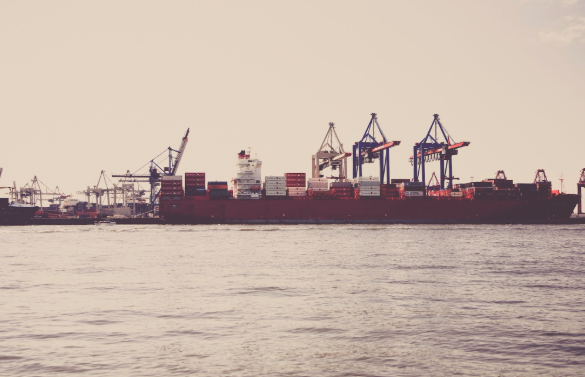
A new industry report has linked current port slowdowns directly to the increase in the cost of everyday goods. This will give a renewed momentum to a topic that has been subconsciously affecting the trade of the world in the last year.
Long delays of ships at key ports are driving up transportation costs. Many of those extra costs are being borne by the consumer.
There’s a strain on retailers and manufacturers. The extended time to get cargo means increased storage charges, lost delivery dates, and inventory disruptions.
The downturn is not confined to a single area, analysts say. The processing time is increasing for multiple ports around the world.
Some facilities are unable to meet the demand for containers on a weekly basis. This bottleneck effect is increasing as the world’s demand for infrastructure has risen faster than the supply, the report notes.
Why This Is Happening
The congestion is being caused by a number of factors. The lack of labor, old machinery, and rising volumes of shipping are a perfect storm.
Numerous ports were already running at full capacity. Other facilities have also been forced to adapt to changing trade flows, with companies seeking other routes and suppliers.
Smaller ports are also getting busier as companies try to divert ships from the busiest ports. This transition has created new challenges for facilities which might not be equipped for the increased loads that can happen a lot all at once.
Even the tried and tested alternatives, such as those of Shipping Containers Auckland, are being looked at, industry sources point out. Companies are seeking to diversify logistics strategies, and limit reliance on the busiest global port.
Impact on Everyday Consumers
For consumers, the effects are increasingly noticeable. The cost of imports including electronics and household goods have been rising in recent months.
Experts state the tendency appears to be a long-term phenomenon without any indications of changing in the short term. Price hikes will likely remain until the port facilities are upgraded or traffic levels out.
It’s no surprise that retailers are adapting their strategies as well. A considerable number of people are ordering sooner than they normally would to factor in longer lead time.
Others are looking at collaboration with local suppliers. This will help to decrease dependence on foreign transportation.
What Comes Next
The industry groups want more investment in port facilities. In addition, top priorities are improving coordination between shipping companies and logistics companies.
Technology improvements such as automated tracking systems may be able to alleviate congestion in the long term, according to some experts. These changes are not likely to occur rapidly however.
Until now, the report is a definite precautionary sign. The impact of port delays isn’t limited to the shipping sector anymore.
With delays spreading up the supply chain, consumers are left to absorb the cost. This shift will likely influence buyers’ decisions and prices well into the coming year.