

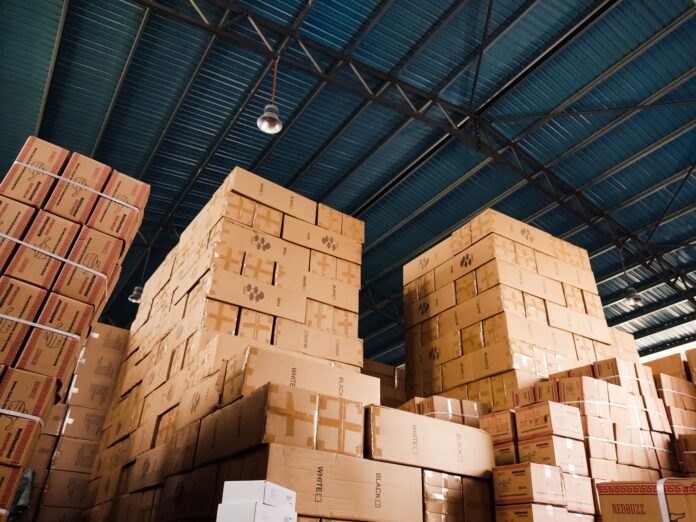
Supply chains work best when inventory is stored with discipline, released on time, and delivered without avoidable handling. Warehousing shapes each of those results through receiving controls, slotting decisions, pick accuracy, and shipment planning. Strong distribution keeps goods moving with fewer pauses, fewer shortages, and fewer costly corrections. That operating discipline supports margins, protects service levels, and gives manufacturers, sellers, carriers, and buyers a steadier experience from purchase order to final delivery.
Better Flow
Product movement improves when stock sits closer to demand, and each handoff follows a clear plan. Many companies rely on distribution and warehousing services to coordinate inbound unloading, putaway, storage, picking, packing, and outbound release under a single operating rhythm. With that structure in place, inventory status stays clearer, transfer delays shrink, and order volume moves more smoothly during promotions, weather events, or sudden shifts in buying patterns.
Inventory Accuracy
Inventory errors rarely stay isolated. One wrong receipt can distort purchasing, labor plans, replenishment timing, and customer promises. Careful warehouse teams verify counts at arrival, label goods correctly, and place each unit in a recorded location. Those habits lead to short pickups, duplicate purchases, and rushed shipments. Better records also give planners a sound base for forecasting, because actual movement replaces rough estimates pulled from delayed spreadsheets.
Faster Order Cycles
Delivery speed depends on preparation long before a carton reaches the dock. Distribution centers shorten cycle time by storing fast movers in accessible zones and building pick paths that reduce walking. Teams spend less time searching, correcting, or repacking. Orders leave sooner, with fewer touches. Consistent release timing also helps carriers plan pickups, reducing missed cutoffs and lowering the risk of late-arrival charges.
Lower Operating Costs
Warehouse expense grows quickly when products sit too long, occupy poor locations, or require repeated movement. Better storage plans limit those losses. Slotting by size, turnover rate, and handling need reduces travel inside the building. Labor hours are used more effectively, while damage risk falls during busy periods. Companies also avoid paying for excess stock that absorbs cash, space, and attention without supporting near-term demand.
Smarter Space Use
Space planning directly affects service and cost. Well-organized facilities group items by dimensions, pick frequency, and storage conditions. That arrangement improves visibility, supports safer movement, and keeps replenishment from interrupting active order work.
Layout Matters
A thoughtful layout eases congestion near docks, aisles, and packing stations. It also reserves room for returns, relabeling, cycle counts, and special handling without slowing daily throughput.
Stronger Risk Control
Supply chains face storms, labor gaps, port backups, and abrupt swings in order volume. Warehousing provides businesses with practical protection against such disruptions. Regional stock placement, reserve inventory, and flexible handling capacity create options when one route stalls. That buffer can prevent stockouts and protect contractual service commitments. It also buys planners time to rebalance supply without forcing expensive emergency transportation on short notice.
Better Returns Handling
Returns can erode profit quickly if the process lacks order. Distribution sites improve recovery by inspecting items soon after arrival and separating resaleable goods from damaged units. Merchandise that can be returned to stock becomes available faster. Items needing repair or disposal follow a clearer path. This discipline frees up storage space, improves cash recovery, and provides merchants with useful evidence of product defects or packaging failures.
Data That Guides Action
Warehouses generate useful operating evidence every day. Receipt timing, pick rates, dock dwell, item velocity, and storage density reveal where work slows or capacity tightens. Managers can act on those signals before service declines. A fast seller may need a new slot near the packing. A recurring delay in receiving may call for schedule changes. Better reporting also supports stronger conversations with suppliers and transportation partners.
Customer Impact
Customers judge supply performance through three simple outcomes: whether the order is correct, whether tracking stays accurate, and whether delivery arrives when promised. Warehousing affects each one. Clean inventory records improve fill rates. Reliable picking reduces mis-shipments. Steady release timing helps transportation stay on schedule. Over time, that consistency strengthens trust, reduces complaint volume, and reduces the hidden labor associated with refunds, credits, and reactive service recovery.
Conclusion
Warehousing and distribution services improve supply chains by bringing order to the places where delay, waste, and inaccuracy often begin. Accurate receiving, disciplined storage, efficient picking, and well-timed shipping create measurable gains across cost, service, and planning. Those gains support every link in the chain, from supplier coordination to customer satisfaction. When warehouse execution is managed with care, supply movement becomes more predictable, more efficient, and easier to improve over time.