
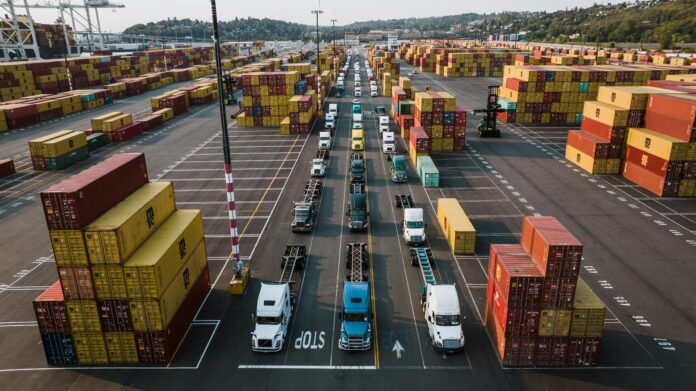
Telematics are the behind-the-scenes systems that connect trucks, terminals, and dispatchers through real-time data. They pull information from GPS, onboard sensors, and Electronic Logging Devices to show where a truck is, how long it has been idling, and whether it is moving or waiting.
In busy port environments where minutes stack up fast, that visibility can make the difference between a smooth gate-out and a three-hour delay. For shippers and drivers, even small delays ripple outward into missed appointments, detention fees, and tighter delivery windows.
Improve Gate Scheduling With Real-Time Data
One of the fastest ways to cut truck turn times is smarter gate scheduling powered by live telematics feeds. When ports can see inbound truck ETAs in real time, they can stagger appointments and prevent long entry lines before they form.
A recent congestion analysis by S&P Global highlights how arrival process time and yard dwell directly impact overall throughput.
Narrowing the gap between port arrival and operational readiness increases capacity without pouring new concrete, and telematics gives terminals the insight needed to adjust staffing and lane assignments before bottlenecks escalate.
Predict Arrival Windows More Accurately
Static appointment slots rarely reflect real-world traffic. Telematics systems analyze location data and congestion patterns to provide dynamic ETAs that update as conditions change.
More accurate arrival windows mean fewer trucks bunching up at the same hour. Drivers spend less time idling outside the gate, and terminals can prepare yard crews in advance.
Use ELD Data to Streamline Yard Flow
Electronic Logging Devices are already required for most interstate carriers, and that compliance data holds untapped operational value. Hours-of-service logs, engine status, and movement history offer a clear picture of how long trucks are waiting versus actively loading.
Fleets that unlock the operational edge of ELD integration often gain stronger load visibility and cleaner coordination between dispatch and terminal staff.
And they frequently discover that compliance data can double as a performance tool inside congested port environments.
Reduce Idle Time and Queue Blind Spots
Long lines are not always visible from inside a control tower. Telematics dashboards can flag trucks that have been stationary beyond a defined threshold, alerting supervisors to hidden choke points.
Ports and fleets can focus on three quick wins. They are these:
- Identify repeat congestion windows by analyzing historical idle data
- Reroute trucks to alternate gates when queue times spike
- Coordinate break schedules to avoid overlapping slowdowns
Each small adjustment trims wasted minutes. Over weeks of operations, those minutes translate into measurable gains in truck turn times.
Coordinate Inland Transport With Shared Visibility
Truck turn time does not start and end at the gate. Terminal dwell, chassis availability, and inland rail schedules all influence how quickly a container exits the port.
According to a June 2025 dwell-time update from the Pacific Merchant Shipping Association, stronger coordination between marine terminals and inland partners has been key to improving cargo velocity. Better synchronization shrinks the lag between discharge and gate-out.
Connect Port and Fleet Systems
Integrated platforms allow dispatchers to see berth status, yard congestion, and gate queues alongside truck locations. Drivers receive updated instructions before reaching a crowded entrance instead of learning about delays after arrival.
Better coordination reduces rehandles and misaligned pickup times. Fewer surprises create a smoother experience for drivers and more predictable service for shippers.
Turn Raw Data Into Actionable Decisions
Collecting data is easy. Acting on it is where real gains happen.
Using telematics to track turn times uncovers patterns that were previously invisible. When port authorities collaborate with carriers to review that data, they can redesign traffic flows, adjust labor allocation, and introduce incentives for off-peak moves.
Data-driven management creates a feedback loop. Performance metrics improve, processes evolve, and truck turn times gradually tighten without major capital investment.
Building a Smarter Port Strategy Around Truck Turn Times
Telematics gives ports something they have historically lacked: continuous, real-time insight into truck behavior before, during, and after a terminal visit. Faster gates, smarter yard flow, and coordinated inland moves all depend on accurate, shared information.
Ports that prioritize truck turn times with telematics create a smoother experience for drivers and shippers. If your team is refining visibility tools or rethinking yard coordination, consider how deeper ELD integration and shared telematics data can support your next operational upgrade.
Has this article been helpful? If so, be sure to explore some of our other insightful content!