
Consider the situation where every machine on the shop floor is working as planned, but the final product is delivered late. Often, the delay is not caused by any machine but by the amount of time taken for the product to move from one automatic station to another.
This is what conveyor systems are supposed to solve, but choosing one is not easy. These are very different in many aspects, like the width of their belts, drive mechanism, load capacity, and modular design. What works for a small electronics manufacturing plant will not work for big automobile plants.
It is advisable to consider size, weight, throughput goals, and line adaptability before setting up conveyor systems.
Not sure what conveyor system will fit your line or what modularity means?
Continue reading and see whether the process is as complex as you thought it was.
Table of Contents
- Introduction
- Linking Automated Stations Into One Continuous Line
- Reconfiguring Automated Lines Without Costly Downtime
- Compact Automation for Space-Constrained Lines
- Handling Heavier, Wider Loads Without Slowing Down
- Measurable Gains in Efficiency and Safety
- Built To Move Forward
- FAQs
1. Linking Automated Stations Into One Continuous Line
Automation can only happen if every station communicates with the next in line without an intervening manual transfer. The robot arm, vision inspection system, and packing machine work very fast individually, but the moment a human has to move the item from one system to another, the benefit of automation is lost.
Conveyor systems solve this problem right away. It creates a physical link between feeding, processing, and discharging stations, so an item is transferred from one automated operation to the next in a continual process without human interference. This is how automation can be scaled in practice: not by faster machines but by linking them together.
2. Reconfiguring Automated Lines Without Costly Downtime
Automated lines are hardly ever static in nature. Any alteration in the size of the products or an increased number of inspection stations would require an adjustment to the current setup, which, with the fixed conveyor frames, is difficult and time-consuming.
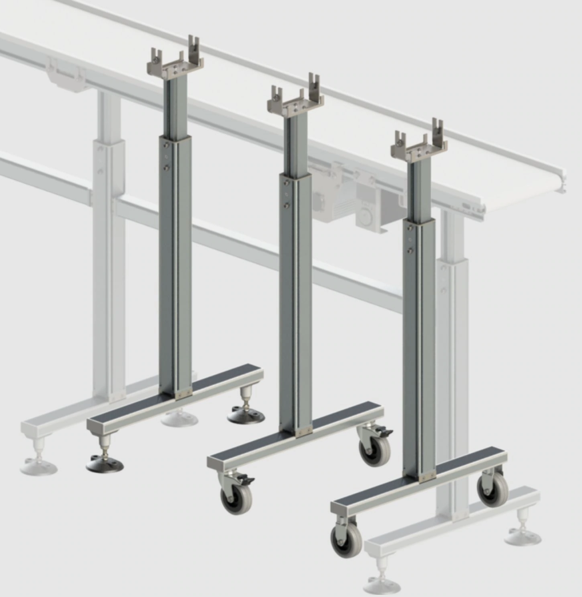
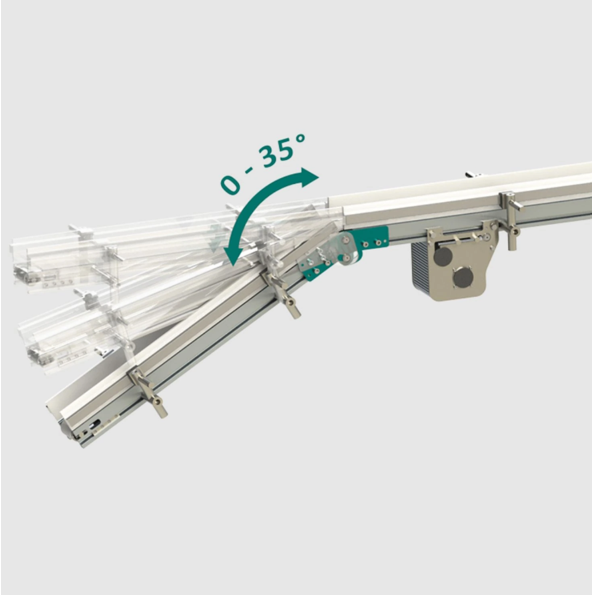
Modular conveyor systems provide the perfect solution for this problem in their very nature. Thanks to standardization of components and frames, you will be able to expand a conveyor line or even install another track within just a few hours. That is how the automated conveyor system line keeps up with the constantly changing line setup.
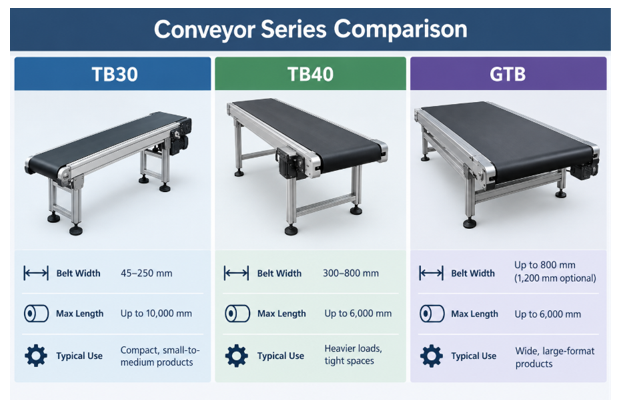
The following table allows for understanding the major differences between prominent conveyor systems:
3. Compact Automation for Space-Constrained Lines
There is very little scope for having unlimited floor space available for automation purposes, which is quite a tricky situation to solve. This is when an integrated design comes in handy.
In this case, the motor is incorporated within the drive roller of the TB40 Conveyor, thus making it possible to cut down the dimensions of the machine while still retaining its capacity of 200 kg per minute. When space is at a premium, such a compact design makes automation feasible without any significant changes in the factory layout.
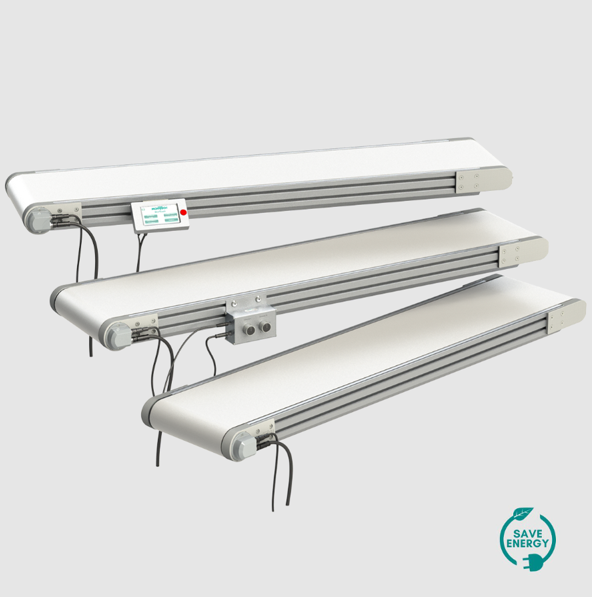
Engineering studies from peer-reviewed sources confirm that according to the results of a model-based study conducted in 2023 on automatic manufacturing conveyors, adjusting operating parameters such as power rating and belt tension leads to a direct increase in throughput.
4. Handling Heavier, Wider Loads Without Slowing Down
Not all products are small. In cases where there are wide panels, large assemblies and/or complex dimensions in the product, you will need a conveyor that is designed with size rather than speed in mind.
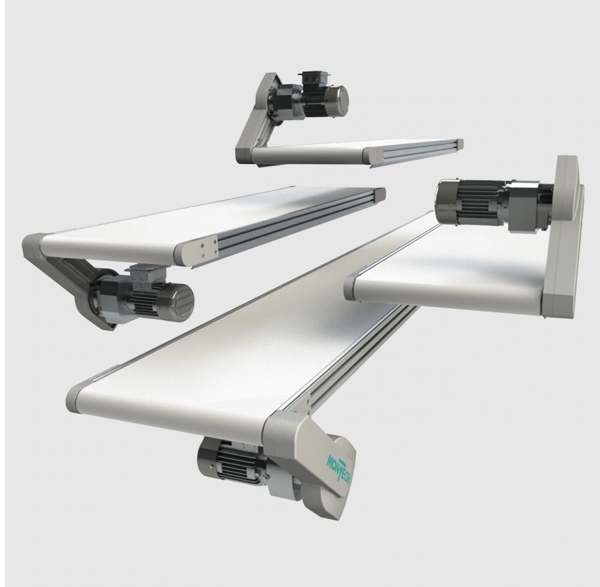
The GTB Conveyor System is designed specifically for this purpose. The GTB System caters to medium- to large products, with an option to mount the drive unit above or below the belt, as well as UL-rated motors with ratings up to 460V.
5. Measurable Gains in Efficiency and Safety
The figures do all the talking. Companies that switch to the industrial conveyor system are sure to improve their results in production speed, defect ratios, and resource management.
A 2024 engineering study on mechanical conveyor systems shows how improvements in conveyor design and control have been gradually enhancing the reliability and efficiency of conveyor systems in various industries. In addition to quantitative improvements, workers will stop doing manual jobs and supervise the process instead, which is better for safety and employee experience.
What is more, a good conveyance system not only increases the speed of production but also eliminates the hidden bottlenecks of your production line.
Built to Move Forward
Modular conveyor systems change the need for fragmented, manual handling to a unified, automated process. Be it limited floor space, large loads, or even trying to meet production demands, the proper conveyor system fits the task instead of constraining it.
Opting for modular over fixed facilities is not just about choosing equipment; it directly boosts efficiency and safety.