

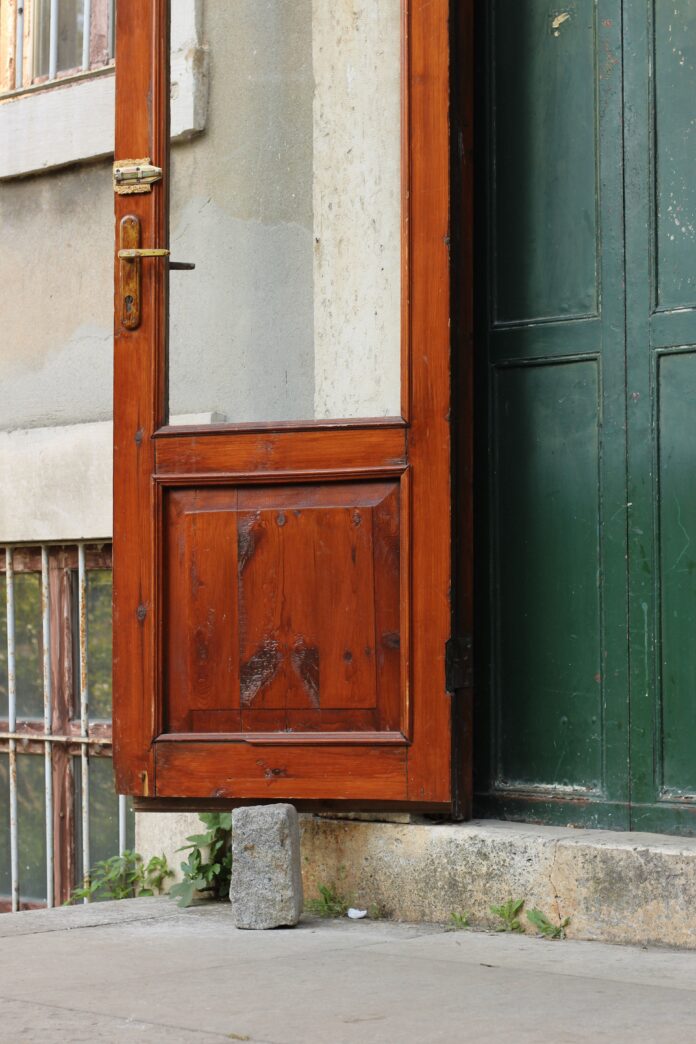
Front doors don’t get nearly as much attention as kitchens or bathrooms when people think about improving their homes, yet it’s the very first thing anyone sees before they’ve even stepped inside. Estate agents have long known that a tired, worn front door can quietly undo the good impression created by a well-kept garden or a freshly painted exterior. The question most homeowners actually want answered, though, is whether replacing it is worth the money.
The evidence, both from estate agents and from homeowners who’ve gone through a sale, points fairly consistently in one direction. A well-built, well-fitted front door does make a measurable difference to how a property is perceived, and in some cases, to the price buyers are willing to offer. Joinery firms that build timber front doors London buyers actually notice hear this from estate agents fairly regularly.
Why First Impressions Matter More Than People Assume
Buyers form an opinion about a property within seconds of arriving, often before they’ve even rung the doorbell. A front door that’s cracked, faded, or clearly past its best sends a small but real signal that other parts of the house might have been neglected too, even if that’s not actually the case. On the other hand, a solid, well-proportioned timber door in good condition suggests a level of care that buyers tend to associate with the rest of the property.
This isn’t just a feeling. Several property surveys over recent years have pointed to kerb appeal, including the front door, as one of the details that most influences a buyer’s first impression, and first impressions have a habit of colouring everything that follows during a viewing.
What Actually Adds Value, and What Doesn’t
Not every door swap adds the same amount of value, and it’s worth being realistic about this rather than assuming any replacement automatically pays for itself.
- Matching the period of the property – a door that suits the era and style of the house tends to be valued more highly than something generic that clashes with the surrounding architecture.
- Solid construction over appearance alone – buyers, and increasingly their surveyors, notice the difference between a door that looks good and one that’s genuinely well built.
- Security features – modern multi-point locking systems are something many buyers now actively look for, particularly in London, and can be a point raised during negotiations if missing.
- Condition of surrounding brickwork and frame – a beautiful new door fitted into a crumbling frame won’t have the same impact as one installed properly into a well-maintained opening.
The Insurance and Security Angle
Beyond appearances, there’s a practical side to this too. Older front doors, particularly those without modern locking mechanisms, can affect what a buyer’s insurance quote looks like once they move in, and increasingly, buyers are aware of this before they even make an offer. A door built with proper security standards in mind removes one more thing for a buyer to worry about, which can make a property feel more finished and ready to move into without further work.
Why Craftsmanship Shows, Even to Non-Experts
You don’t need to know anything about joinery to sense the difference between a mass-produced door and one that’s been properly built by hand. The weight of it, the way it closes, the quality of the finish around the edges, all of these small details add up to an impression that buyers pick up on even if they couldn’t explain exactly why.
Joiners who’ve spent 30 years or more designing, building and fitting timber doors from their own workshop, working extensively across period properties throughout London, tend to build every door to order rather than pulling from a standard range. That means it’s shaped to suit the specific property rather than being a generic fit, which is exactly what estate agents mean when they talk about kerb appeal actually working in a homeowner’s favour.
Is It Worth Doing Before You Sell?
If you’re planning to put your home on the market within the next year or two, a new front door is one of the more cost-effective improvements available, particularly compared to larger renovation projects that take longer to pay back. It won’t transform a property’s value on its own, but combined with tidy brickwork, fresh paint and a well-kept entrance, it removes one of the small negatives that can otherwise chip away at a buyer’s confidence.
Even if selling isn’t on your mind right now, a well-built front door adds a daily sense of pride every time you walk up to your own home, which is arguably worth just as much as anything a buyer might eventually pay for it.
What Estate Agents Actually Say
Speak to enough estate agents across London and a similar pattern comes up again and again. Kerb appeal is rarely mentioned as the single reason a property sells, but it’s consistently cited as the reason a viewing goes well or badly in the first few minutes. A tired front door doesn’t stop a sale outright, but it can put a buyer in a slightly more critical frame of mind before they’ve even seen the rest of the house, which tends to affect how generously they interpret everything that follows.
Conversely, agents often mention that a solid, well-fitted door helps set expectations early, priming buyers to view the rest of the property more favourably. It’s a small psychological effect, but one that experienced agents take seriously enough to mention it during pre-sale advice.
Choosing the Right Door for Your Property
Not every front door suits every house, and getting this wrong can undo some of the benefit. A heavy, ornate door might look impressive in isolation but feel out of place on a modest terraced house, just as a plain, minimal design can look thin and unconvincing on a grander period property. Taking time to choose a style, panel layout and finish that genuinely suits the age and proportions of your home tends to pay off far more than picking whatever looks most striking in a showroom.
This is where working with a joiner who builds doors to order, rather than selling from a fixed range, makes a real difference. Well-proportioned timber front doors London buyers respond to are almost always built specifically for the property in question, rather than adapted to fit from a standard range.