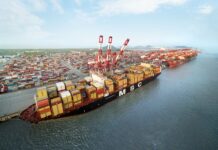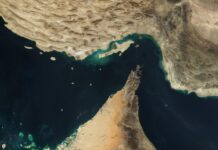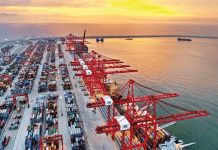

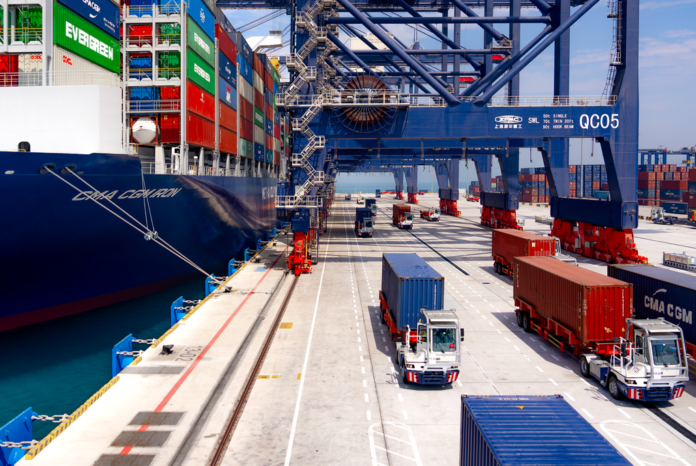
AD Ports Group maintains normal operations and activates business continuity protocols to support regional supply chains. The Group uses its integrated five-cluster logistics network to ensure resilience amid disruptions in the Arabian Gulf, particularly linked to traffic conditions through the Strait of Hormuz.
Since late February, AD Ports Group has rerouted cargo across land, rail, sea, and air. It has handled over 54,000 TEUs at Fujairah Terminals and Khor Fakkan Port. It has moved more than 22,000 containers via land logistics and 18,000 TEUs through its maritime network, supported by 24 vessels across eight feeder services. Air logistics operations have transported over 8,000 tonnes of cargo using more than 100 chartered flights.
Captain Mohamed Juma Al Shamisi, Managing Director and Group CEO, said the Group’s investments in logistics infrastructure enabled one of the UAE’s largest logistics redeployments. He emphasized the company’s commitment to maintaining the flow of essential goods such as food, medicines, and strategic reserves, while ensuring workforce safety and supply chain resilience.
To maintain shipping services to Khalifa Port and key trade corridors, the Group launched new regional feeder services and expanded its fleet. Services operated by SAFEEN Feeders and Global Feeder Shipping were rerouted via Fujairah and Khor Fakkan, providing alternative gateways through the Gulf of Oman.
The Group also introduced new feeder connections linking India, Pakistan, Oman, the Red Sea, and Upper Arabian Gulf ports. It established an air bridge using three chartered aircraft and plans to expand capacity further.
A land bridge now connects Fujairah and Khor Fakkan to Khalifa Port, Jebel Ali, and Sharjah using 800 trucks and four daily Etihad Rail services. Warehousing capacity exceeds 76,000 sqm and will expand to 188,000 sqm.
AD Ports Group also deployed digital freight platforms to improve visibility and efficiency. These tools use real-time data to optimize trade flows, repurpose empty containers, and reduce costs.
The Group continues to work with UAE authorities and partners to ensure safe, uninterrupted operations and maintain supply chain stability.