
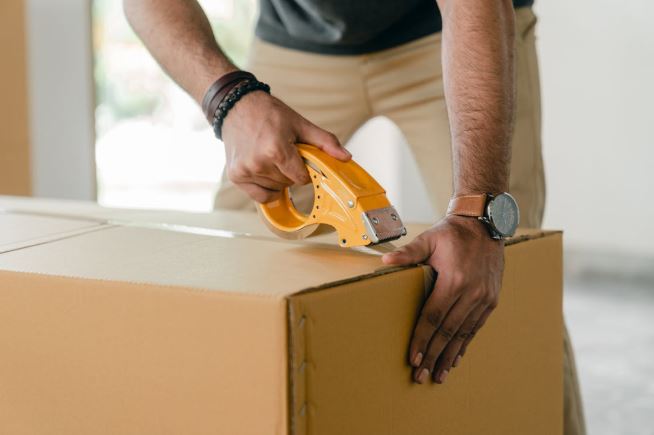
Photo by Ketut Subiyanto from Pexels
The success of any business is influenced by its location. When you build your establishment in a neighborhood where there’s barely any foot traffic, then income only comes in trickles. On the other hand, a commercial space that’s too small is a major hurdle towards possible future expansion, and you may have to find a cheaper space when the bottom line calls for it. In any case, the initial location is temporary, as you will need to transfer as your business needs evolve.
The primary challenge is managing the logistics and ensuring the new location is adequately prepared to accommodate your equipment and staff. You may have picked the perfect spot for your brand, but overlooking the details of your transfer could consume a big chunk of your budget and time. Efficiency should be your priority, so it matters to know the best practices for a smooth move. For that, the tips below are worth using:
1. Create a Realistic and Time-Bound Plan
The complexity of the transfer should also inform your timeline. If you have a large volume to transfer over long distances, it may take weeks to complete the move. Give yourself more than a month to do an inventory and consider which types of logistics options best suit your target date and the volume of items you will be hauling.
2. Calculate the Financials
Analyzing your moving needs will make it easier to narrow down a long list of suitable commercial moving companies. At this point in the process, you should have a clear estimate of how much it would cost to pack, store, and haul materials and equipment. As you do so, you may have to factor in lost income and added expenses resulting from a temporary closure as your business transitions to the new location.
Keep in mind that you will have to pay internet disconnection fees and set aside an emergency fund in case your transfer gets delayed or some of your items get lost or damaged. Commercial moving companies are generally bonded and insured, so it pays to know if you’re dealing with one that offers the best value for your money.
3. Search for a Good Mover
After laying out your goals and setting a budget, look for a moving company that specializes in your industry. Not many commercial movers are capable of storing and transporting large industrial equipment as well as hazardous materials and flammable substances, especially if you’re in the manufacturing industry.
Consider checking if a moving company has worked with a business in the same sector as you. While asking for quotes and credentials, check what storage and transport solutions are available that match your needs.
4. Prepare the New Site
A seamless transfer doesn’t just involve packing and organizing your materials at the point of origin. Things will be just as complex if the new site isn’t prepared to accommodate your haul. As you prepare for the move, consider adding new fixtures and constructing more rooms and areas, depending on your priorities.
For instance, if you’re transferring to the new space so you can hire more employees, you may want to shop around for employee lockers from sites like SchoolLockers or build additional work stations.
Endnote
If you think your business has a better chance at growth if it’s planted somewhere else, then don’t forget these essential tips for a seamless and cost-effective transfer.