

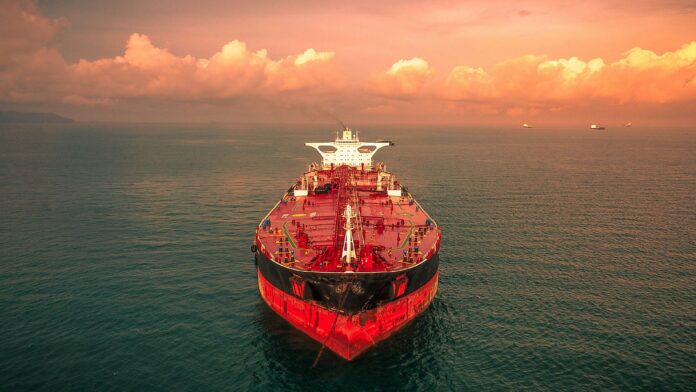
Container shipping is one of the most vital sectors of global trade, with millions of goods moving across the seas every day. The scale and complexity of operations make safety a top priority for every crew member onboard. To ensure that all new seafarers are adequately prepared for the challenges of life at sea, the STCW Basic Safety Training course has long been regarded as the cornerstone of maritime safety training. This internationally recognized certification provides the foundational knowledge needed to protect the well-being of all personnel on board a vessel, ensuring the smooth operation of maritime logistics. In this article, we will explore why this essential course remains the foundation for every new seafarer, particularly in the container shipping industry.
Understanding the importance of safety training in the maritime industry
The maritime industry is inherently risky, with crews working in sometimes hazardous conditions that require thorough preparation and constant vigilance. Whether it’s the possibility of navigating through stormy seas, dealing with fires or machinery failures, or ensuring emergency evacuation in case of an accident, seafarers must be well-versed in safety protocols.
Container shipping is no exception. With increasingly large and complex ships, coupled with the high volume of cargo and frequent international operations, the need for rigorous safety training is critical. The STCW Basic Safety Training course provides the necessary foundation for new seafarers to handle the diverse and dynamic challenges of life on a vessel. It is designed to equip them with essential skills to ensure their personal safety as well as the safety of their colleagues and the vessel itself.
Key components of the STCW basic safety training course
The STCW Basic Safety Training course includes several key components that are vital for seafarers to master. The course, which is required for all new seafarers before they embark on their first assignment, covers a broad range of topics related to safety and emergency response. Some of the key components of the training include:
- Personal survival techniques
Surviving at sea is the most fundamental skill a seafarer must learn. This section of the course teaches individuals how to react and survive during emergencies such as abandon ship situations, life raft use and the proper techniques for staying afloat in the open ocean. These skills are especially crucial in container shipping, where high seas, harsh weather conditions and mechanical issues can occur at any time.
- Fire prevention and firefighting
Fires on a ship are a significant risk due to the presence of highly flammable materials, machinery and fuel. During the STCW Basic Safety Training course, seafarers learn how to prevent fires from occurring and how to use firefighting equipment to contain a blaze should one break out. They also practice evacuation procedures, ensuring that they can swiftly and safely exit the vessel if a fire becomes uncontrollable.
- Elementary first aid
Injuries are common at sea due to the physical demands of the work and the nature of the environment. The STCW Basic Safety Training course ensures that every seafarer is trained in elementary first aid, which includes basic life-saving procedures, wound care, CPR and how to manage medical emergencies until professional help arrives. This training can save lives, particularly on large container ships operating in remote parts of the world.
- Personal safety and social responsibility
This section of the course emphasizes personal safety, covering essential measures such as wearing protective equipment and staying alert to potential hazards. It also addresses social responsibility, teaching seafarers how to work well with others, maintain good health and manage stress and fatigue, which are common challenges faced during long voyages.
Why STCW basic safety training course is a requirement in the container shipping industry
In the competitive world of container shipping, safety is not only a legal requirement but also a key factor in ensuring operational efficiency and minimizing downtime. Container shipping companies around the world, especially those operating in the Middle East, require that all crew members undergo STCW Basic Safety Training before they are permitted to work on board. This ensures that each crew member has the minimum safety standards and can act effectively in the event of an emergency.
Additionally, international maritime regulations, such as those outlined by the International Maritime Organization (IMO), require seafarers to have STCW Basic Safety Training before they can legally work on vessels engaged in international shipping. This certification is recognized globally, ensuring that workers can operate in any region, including high-traffic shipping lanes in the Middle East and beyond.
How the STCW basic safety training course supports maritime safety in the middle east
The Middle East is a hub for global container shipping, with major ports such as Dubai, Abu Dhabi and Jeddah playing a central role in international trade. With increasing traffic in these ports and the high number of vessels operating in the region, the importance of having well-trained and certified crews cannot be overstated.
Shipping companies operating in the Middle East are required to adhere to international safety standards. By ensuring that their teams complete the STCW Basic Safety Training course, these companies not only meet regulatory requirements but also improve their efficiency, reduce risks and enhance the well-being of their workforce.
Enrolling in STCW basic safety training course
The STCW Basic Safety Training course is important for anyone looking to start a career in maritime. Whether preparing for the first assignment as a new seafarer or a shipping company, looking to train employees, this course provides necessary safety knowledge and skills to succeed at sea.
FMTC Safety, offer accredited STCW Basic Safety Training courses that meet international standards. They provide comprehensive training that prepares workers for the container shipping challenges. Participants receive hands-on experience making them ready to safely navigate the complexities of life on board.
Conclusion
The STCW Basic Safety Training course is key for every new seafarer embarking on their maritime career, particularly in container shipping. With its focus on personal survival techniques, fire safety, first aid and personal safety, this course ensures that all seafarers are equipped with the knowledge they need to handle emergencies effectively. In the fast-paced and demanding world of container shipping, STCW training e remains a cornerstone.