Autonomous vehicles learn from labeled data. That raises a question: what is data annotation when safety depends on every decision? It is the process that tells models what they see, where objects sit, and how scenes change over time. In driving systems, small labeling errors can turn into large risks once models leave test tracks.
This is why AI data annotation in autonomous driving demands stricter rules than most AI projects. Teams rely on advanced data annotation tools to handle camera, LiDAR, and sensor fusion data at scale. Still, tools alone do not guarantee safe outcomes. Data annotation reviews in this space often highlight the same issue. Quality and consistency matter more than speed when models make decisions in motion.
Why Data Annotation Matters in Autonomous Driving
Autonomous systems react based on what models think they see. Labels shape that understanding from the first training run.
Models Learn Driving Behavior From Labels
Perception models do not infer meaning on their own. They copy what labels teach them. That includes:
- What counts as a pedestrian
- Where a lane starts and ends
- How traffic signals differ from signs
If labels stay vague or inconsistent, models carry that confusion into every prediction.
Small Errors Scale Into Real Risk
Driving models process millions of frames. A single labeling issue can:
- Repeat across similar scenes
- Affect object priority
- Shift braking or steering decisions
These are not edge failures. They are pattern failures.
Edge Cases Matter More Than Averages
Most driving data looks normal. The danger sits in what looks rare. Examples include:
- Temporary construction zones
- Emergency vehicles stopped at odd angles
- Pedestrians partially hidden by obstacles
If labels do not capture these cases clearly, models learn to ignore them.
Annotation Affects Safety Reviews and Audits
Driving systems face heavy scrutiny during evaluation and deployment. Review teams expect clear label definitions, traceable decisions, and consistent handling of high-risk classes throughout the dataset. When annotation is weak or inconsistent, these reviews become harder, take longer, and introduce unnecessary friction into safety approval processes.
Types of Data Used in Autonomous Vehicle Systems
Autonomous vehicles rely on multiple data streams. Each one needs different data annotation rules.
Camera Data
Cameras capture visual context that helps models understand the driving scene. Teams annotate objects such as vehicles, pedestrians, and cyclists, along with traffic signs, signals, lane markings, and road edges. Camera data performs well in clear conditions but often struggles with glare, shadows, and low-light environments.
LiDAR and Radar Data
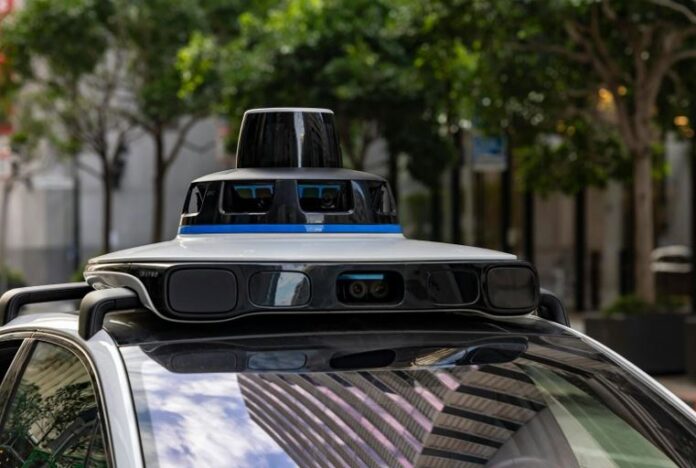
These sensors capture depth and motion that cameras alone cannot provide. Typical annotation tasks include labeling point clouds, identifying object distance and shape, and tracking movement across frames. LiDAR performs well in poor lighting conditions, while radar adds reliable speed and distance signals.
Sensor Fusion Inputs
Most systems combine multiple sensors to form a single understanding of the environment. This process involves aligning camera and LiDAR frames, syncing data across time, and resolving conflicts between sensor outputs. Annotation in this area requires extra care, because even small timing errors can lead to large issues in model behavior.
Why Data Variety Complicates Annotation
Each sensor tells only part of the story about the driving environment. Teams must keep label definitions consistent across data types, decide which sensor determines the final ground truth, and handle gaps when one sensor fails. Clear rules at this stage prevent confusion and errors later in the pipeline.
Common Annotation Tasks for Autonomous Vehicles
Each annotation task supports a specific part of the driving stack.
Object Detection and Classification
Models need to know what objects exist. Common labels include:
- Cars, trucks, and buses
- Pedestrians and cyclists
- Traffic lights and signs
Accuracy here affects braking, steering, and path planning.
Semantic and Instance Segmentation
Segmentation defines how space is understood within a driving scene. Teams label drivable road areas, sidewalks, shoulders, lane markings, and boundaries to give models a clear sense of where the vehicle can safely move.
Tracking Across Frames
Driving is continuous. Tracking labels:
- Follow objects across time
- Handle occlusion and reappearance
- Capture speed and direction
Missed tracking leads to unstable predictions.
Lane and Path Annotation
Lanes guide how a vehicle moves through the road network. Annotation includes lane centerlines, merge points, and turn lanes, and clear lane labels support smoother and safer driving maneuvers.
Annotation Challenges Unique to Autonomous Driving
Driving data adds complexity that standard vision tasks do not face.
High Volume and Constant Data Flow
Vehicles collect data continuously without pause. Teams must manage nonstop video streams, massive point cloud files, and limited time windows to label new data. If annotation capacity does not keep up with data collection, model training quickly falls behind.
Rare but High-Impact Edge Cases
Most miles look normal. Risk hides in the rest. Examples include:
- Construction zones with unclear markings
- Emergency vehicles parked in odd positions
- Unpredictable pedestrian behavior
These cases appear rarely but matter most. Missing them weakens models fast.
Ambiguous Scenes
Roads are not clean environments. Common challenges:
- Objects partially hidden by other vehicles
- Poor weather or low light
- Conflicting or faded road signs
Labelers need clear rules to handle uncertainty.
Changing Environments
Roads evolve over time as new traffic patterns emerge, temporary signage appears, and local driving behaviors change. If labels do not adapt to these shifts, models end up learning outdated rules that no longer reflect real-world driving.
Accuracy Requirements and Error Tolerance
Not all labels carry the same risk. Autonomous systems need clear priorities.
High-Risk vs. Low-Risk Labels
Some mistakes matter more than others. High-risk labels include:
- Pedestrians and cyclists
- Lane boundaries near intersections
- Traffic lights and stop signs
Lower-risk labels often include background objects or roadside clutter. Treat them differently in review depth.
Setting Error Thresholds by Class
One accuracy target does not fit all. Good practice looks like this:
- Tighter thresholds for safety-critical classes
- Deeper review on scenes near the vehicle path
- Lighter checks on static background labels
This focuses effort where outcomes matter most.
Why Over-Labeling Causes Problems
Adding detail can feel like a safer choice, but it often backfires. Too many classes slow agreement between labelers, increase disagreement rates, and extend review cycles. In practice, simple and clearly defined classes outperform complex taxonomies.
How Teams Define “Good Enough”
Use practical signals. Ask:
- Would this error change vehicle behavior?
- Could it affect braking or steering?
- Would it fail a safety review?
If the answer is yes, raise the bar for that label.
Final Thoughts
Data annotation sits at the center of autonomous vehicle development. Models only react as well as the labels that define the road, the objects on it, and the rules that govern motion.
Teams that treat annotation as a safety system move faster with fewer surprises. Clear priorities, strong review, and the right mix of people and tools keep autonomous driving models ready for real roads.