

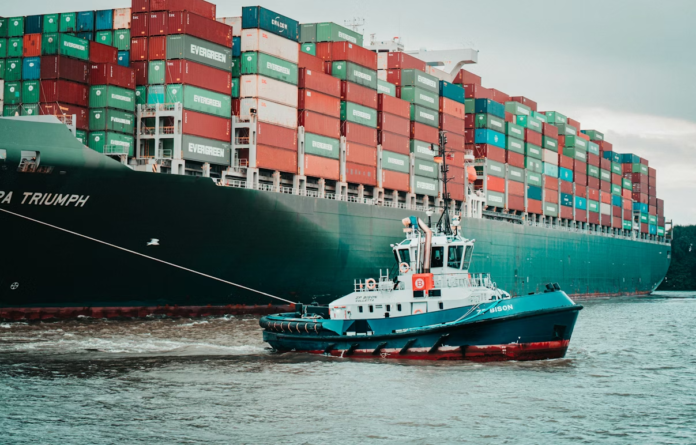
There are over 100,000 merchant vessels sailing every day to maintain global trade flows through increasingly complex shipping lanes. This massive scale creates a capital-intensive environment where traditional bank loans often fail to meet the agility required for modern logistics and fleet management.
Asset-backed financing bridges this specific liquidity gap by using the physical vessel as primary collateral for larger loans.
Specialist Managers and Real Assets
Managing financing structures requires both financial and technical expertise. Many institutional investors allocate capital to real assets, often with a long-term asset growth approach, and work with established asset management groups that provide access to diversified portfolios across infrastructure and related investment areas.
These managers help connect institutional capital with operational assets, supporting the ongoing performance and maintenance of high-value equipment such as vessels.
Effective management of asset pools typically involves:
- Regular technical inspections to maintain hull integrity
- Continuous monitoring of global vessel utilization rates
- Structured residual risk assessments for secondary markets
As this sector continues to evolve, these managers play a coordinating role between capital providers and operational requirements in ocean freight, helping ensure assets remain functional and commercially viable over time.
Structures of Maritime Asset Loans
Asset-backed financing in this sector relies on the intrinsic value of hulls and engines. Lenders often utilize structures like warehouse lines or equipment leases to provide the necessary liquidity. Here, the financing stays closely tied to the actual earning potential of the maritime equipment.
Vessel values tend to follow global trade cycles closely. By anchoring the loan to the physical asset, the financier can weather periods of low cash flow more effectively. The focus on real property allows for higher leverage than unsecured corporate debt.
Pricing Risk and Utilization
Lenders determine rates by looking at how much a ship is actually working on the water. Reports on the expanding maritime debt market suggest that the sector is growing rapidly through 2026. It’s evident, the data shows it, ships offer a reliable level of financial safety.
High utilization rates typically lead to more favorable loan terms for operators. And for the lender, this connection between operational data and financial pricing reduces the overall risk. It also rewards efficient fleet managers who keep their vessels on active routes.
Investing in Port Infrastructure
Sustainability is driving a massive wave of reinvestment across the entire shipping industry. Modernization efforts have accelerated since MARAD announced plans to inject $580 million from the BIL into port improvement projects across the country. Upgrades like these create a more stable environment for asset-backed lending.
Stronger infrastructure reduces turnaround times and increases the efficiency of the assets being financed. Better ports mean that the collateral remains productive for longer periods. And thanks to the synergy between public investment and private finance, the entire logistics chain strengthens.
The Future of Vessel Finance
New environmental standards require significant capital for engine retrofits and cleaner fuels. Recent ship financing projections indicate that global volumes will hit record heights by the end of next year. Owners who leverage their existing fleets can secure the capital needed for cleaner propulsion systems.
Fleet modernization is no longer optional for companies trying to meet new global standards. Asset-centric lending provides the flexibility needed to navigate these regulatory shifts.
Securing Future Maritime Growth
The shift toward asset-centric lending provides the flexibility needed for a changing economy. Operators can now leverage their physical fleets to keep operations seamless or even fund the next generation of logistics technology. Explore related posts to stay updated on the latest trends in global transport finance.