
Geopolitical tensions stemming from the return of Donald Trump to the global stage are reshaping major international shipping routes, with significant implications for trade, logistics and port operations.
This assessment was presented by Vicente J. Pallardó López, director of the Valenciaport Chair of Port Economics and head of the Institute of International Economics at the University of Valencia, during a conference on supply chains and ports in the context of emerging markets.
Pallardó identified a discernible shift in Chinese export patterns toward developed economies, alongside a broader process of trade regionalisation that is elevating the prominence of previously secondary markets.
Countries in proximity to Western Europe and several Latin American nations are among those gaining commercial weight as global supply chains reconfigure around geopolitical realities.
On the potential impact to port traffic, Pallardó cautioned that a prolonged confrontation between the United States and China could generate adverse effects, particularly through upward pressure on oil prices.
He noted that Valenciaport has so far remained insulated from these dynamics, maintaining or improving its traffic volumes, but acknowledged that the situation could deteriorate if tensions persist.
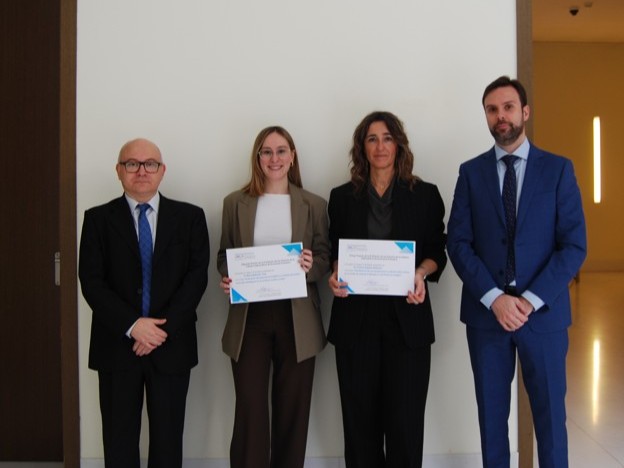
The conference, held at the Edificio del Reloj and organised under the Valenciaport Chair of Port Economics funded by the Port Authority of Valencia, also featured a keynote address by Rafael Doménech Vilariño, who examined the global economic outlook through the lens of contemporary geostrategic dynamics.
Pallardó’s own presentation, titled “Four Years Thinking about a Transformed World,” provided the analytical framework underpinning the discussion.