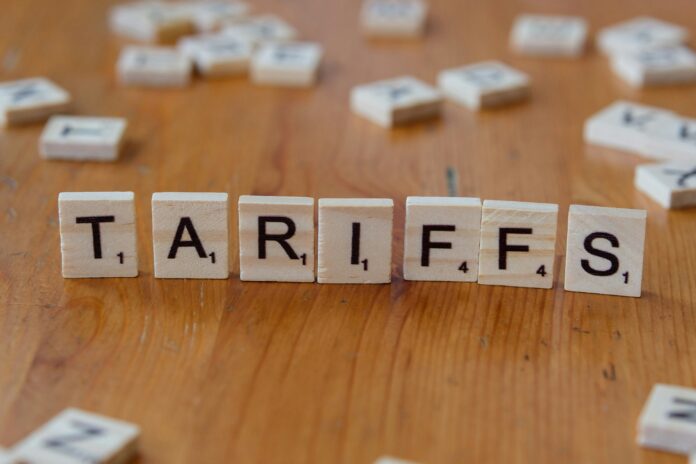
The Supreme Court of the United States has struck down Donald Trump’s sweeping global tariffs imposed under the International Emergency Economic Powers Act (IEEPA), ruling that the president exceeded his authority.
In a 6–3 decision authored by Chief Justice John Roberts, the Court held that IEEPA does not grant the president the power to impose tariffs. The ruling affirms that the US Constitution assigns tariff and tax authority to Congress.
“Our task today is to decide only whether the power to regulate importation embraces the power to impose tariffs. It does not,” Roberts wrote.
The majority said the administration failed to show clear congressional authorization for measures of such vast economic and political significance. The decision represents the most significant judicial setback for Trump since returning to office in January 2025.
Trump announces new 10% global tariff
Trump reacted sharply, calling the ruling “terrible” and “totally defective.” He said he would pursue alternative legal avenues and immediately announced a new 10% global tariff under a different statutory authority, on top of existing duties.
The Court’s decision does not address whether the US government must refund tariffs already collected under IEEPA. Economists estimate those collections exceeded $175 billion. Trump said any refund process could take years to resolve in court.
Markets reacted with volatility as investors weighed the potential easing of inflationary pressure against uncertainty over the administration’s next steps.
Ports: “Certainty helps keep freight moving”
Major US gateways warned that the ruling removes the tariffs but not the uncertainty.
Port of Los Angeles Executive Director Gene Seroka said the decision rescinds about two-thirds of the tariffs collected to date. However, he stressed there is no clarity on possible refunds or when the newly announced 10% tariff will take effect.
The timing adds complexity. The ruling comes during the Lunar New Year period, when most factories in China and across Asia remain closed. Production is not expected to resume fully until next week, potentially concentrating shipment volumes once plants reopen.
Seroka said the Port of Los Angeles and its supply chain partners stand ready to manage any cargo fluctuations.
Port of Long Beach CEO Dr. Noel Hacegaba echoed those concerns. He said businesses depend on predictable trade policy to plan investments and cargo flows. While the Court ruled on legality, he noted that clarity is still needed on refunds and the implementation of new tariffs.
“Freight can’t wait – and certainty helps keep it moving,” Hacegaba said, highlighting the 2.7 million jobs tied to Port of Long Beach activity.
Global trade implications
Tariffs have been central to Trump’s trade policy and global trade tensions. He invoked IEEPA by declaring a national emergency linked to the US goods trade deficit, which reached a record $1.24 trillion in 2025.
The ruling curbs the use of emergency powers to impose broad-based tariffs. However, the administration retains other legal tools to pursue trade measures, suggesting further policy shifts could follow.
For global shipping markets, the immediate outcome is mixed. One layer of tariffs has been removed. Yet the prospect of new duties, combined with refund disputes and shifting legal strategies, keeps supply chains and freight markets on alert.