

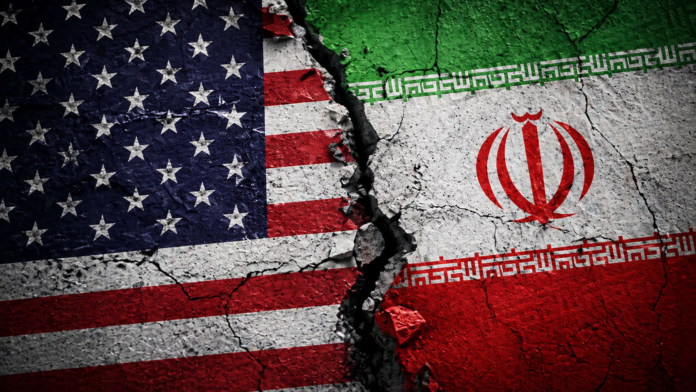
US President Donald Trump rejected Iran’s response to Washington’s latest peace proposal, raising fears that the conflict will continue and keep shipping through the Strait of Hormuz heavily disrupted.
“I don’t like it — TOTALLY UNACCEPTABLE,” Trump wrote on Truth Social after Tehran submitted its response through Pakistani mediators.
Iran’s proposal focused on ending the war across the region, especially in Lebanon. Iranian media said Tehran also demanded compensation for war damage, an end to the US naval blockade, guarantees against future attacks, sanctions relief, and recognition of Iranian sovereignty over the Strait of Hormuz.
The US proposal aimed to stop the fighting before talks moved to more difficult issues, including Iran’s nuclear programme.
Oil prices jumped more than US$4 per barrel on Monday after Trump rejected the response. Before the war began on 28 February, the Strait of Hormuz handled around 20% of global oil and LNG trade.
Analysts said oil markets continue reacting sharply to every diplomatic or military development between Washington and Tehran.
Despite the disruption, shipping data from Kpler and LSEG showed that three crude tankers exited the Strait of Hormuz in recent days with tracking systems switched off to reduce the risk of attack.
The war is also increasing political pressure inside the United States as fuel prices rise ahead of congressional elections later this year.
At the same time, the US has struggled to secure broad international support for a naval mission to reopen the Strait of Hormuz. NATO allies have reportedly refused to deploy ships without a wider peace agreement and an internationally mandated mission.
Trump is expected to discuss Iran with Xi Jinping during his upcoming visit to Beijing, as Washington seeks China’s help in pushing Tehran toward a deal.
Israeli Prime Minister Benjamin Netanyahu said the conflict was not over and stressed that Iran’s enriched uranium stockpiles, missile programme, and regional proxy groups still needed to be addressed.
Iranian President Masoud Pezeshkian said Iran would “never bow down to the enemy” and would continue defending its national interests.
Security tensions in the Gulf remained high over the weekend. The UAE said it intercepted two drones launched from Iran. Qatar condemned a drone strike on a cargo ship near its waters. Kuwait also reported hostile drones entering its airspace.
Clashes also continued in southern Lebanon between Israel and Hezbollah despite a US-brokered ceasefire announced in April.