
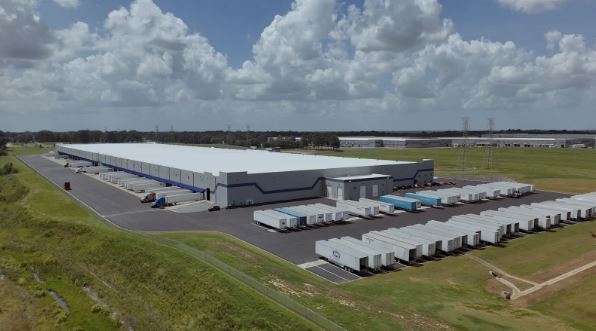
Memphis has stealthily climbed its way to the top as one of the biggest logistics cities in the country. Even though, it won’t get the kind of media attention information like coastal ports or bigger metropolitan regions do, the freight activity, coming through West Tennessee proves otherwise. Memphis TN is a trucking paradise for professional drivers. It provides lanes that are preset, thus ensuring a flawless operation as well as the possibility of becoming part of the most balanced freight market in the country.
This piece unfolds the reasons the truck driving jobs in Memphis skyrocket, processes of the city’s freight infrastructure, how many routes are from the area and realistic figures related to miles, salary, and schedules for drivers who interested in that. Local short routes Memphis, regional ones or even long-haul ones associated with national distribution are the opportunities where Memphis outstands as a continuous, reliable, and scalable market for CDL A drivers. For drivers evaluating long-term opportunities in this market, exploring available truck driving jobs in Memphis, TN helps align route preferences, freight types, and earning potential with the realities of this freight-heavy region.
Memphis as a National Freight Hub
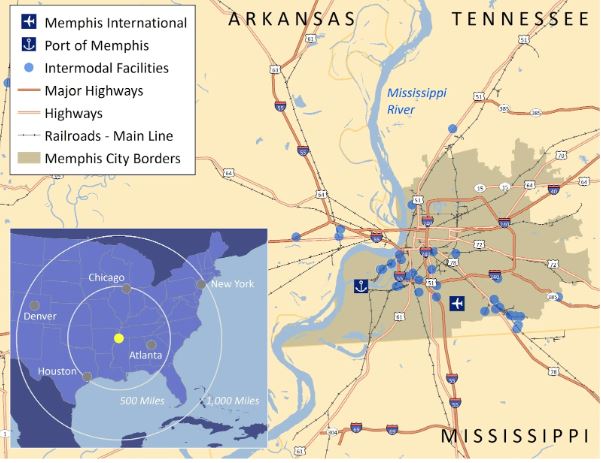
The argument on the significance of Memphis is very straightforward: freight comes together here. Geography, infrastructural development, and the existing logistics investment have made the city a hub for American supply chains. The advantages of the location place the city midway in the country, allowing it to connect east–west and north–south freight flows, minus the congestions met in coastal metros.
A huge part of freight hub logistics in Memphis lies in interstate highway access. The I-40 corridor runs east to west with an I-55 trucking route providing a direct north to south link connecting with the Midwest to the Gulf Coast. These freeways permit carriers to make loops rather than carrying heavy deadheads on a normal point-to-point run.
Of course, Memphis also has the great advantage of being connected by river, rail, and air cargo. Mempho’s Intermodal opera operation is of utmost importance for the local freight economy, creating the demand of moving containers, trailers, and time-sensitive shipments between terminals and distribution centers which drivers constantly desire.
The FedEx Freight Ecosystem and Distribution Density
Any trucking Memphis TN story would be lacking if it did not mention the immense influence of FedEx. The global air hub operating 24/7 in Memphis also serves as a feeder to a tremendous trucking network across the Southeast, Midwest, and farther.
The FedEx freight ecosystem has done more than create parcel lanes—it has attracted hundreds of supporting distribution centers, third-party logistics providers and regional warehouses. These facilities generate high volumes of no-touch freight, drop and hook operations, and scheduled shuttle runs that appeal to drivers who prefer efficiency over live-load uncertainty.
Freight moving in regular cycles according to air schedules and distribution cycles, is the reason why weekly miles are usually constant. Drivers taking the lanes linked to this ecosystem very often are free from the severe seasonal fluctuations which generally disturb other markets.
Route Types Available for Truck Drivers in Memphis
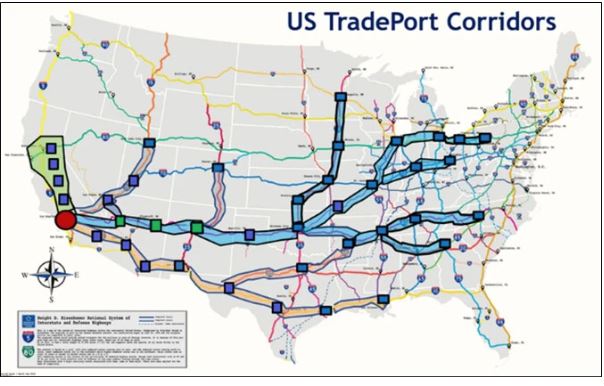
The diversity of routes is one of the key reasons to apply for Memphis truck driving jobs. The drivers can pick local, regional, or extended OTR patterns without relocating or changing markets.
Most common route types in Memphis are:
- Local routes Memphis: Yard moves, intermodal drayage, and city distribution runs with high occurrence of home time
- Regional lanes: Bi-state loops embracing Tennessee, Arkansas, Mississippi, Missouri, and surrounding states
- OTR extensions: Tied to the I-40 corridor, longer dispatches with the Southwest or Southeast connection
Since Memphis is at the intersection of the major freight arteries, the regional drivers are logging strong weekly miles as well, even without hours that are extreme. This equilibrium of strong miles and restrained hours makes Memphis very attractive for truckers who are shifting from OTR to more predictable schedules.
Typical Route Profiles in Memphis
| Route Type | Coverage Area | Home Time | Freight Style |
| Local routes | Memphis metro & terminals | Daily | Intermodal, distribution |
| Regional lanes | 3–6 states | Weekly | Drop and hook, no-touch |
| OTR lanes | Nationwide via I-40 | Bi-weekly | Mixed dry van freight |
Trucking And Driving Through Memphis TN
Pay Structures: What Drivers Can Expect
The compensation model still the major component is the pay per mile for Memphis truck driving jobs, mainly for regional and OTR lanes. The less deadhead and more freight density often promise bonuses results for the truckers despite average looking CPM rates.
Local trips are sometimes hourly paid, particularly in the cases of intermodal Memphis operations or dedicated yard tasks. The positions border transfer maximum democratic political of stability and reliable freights for drivers’ majority prioritizes as they mature.
Key pay factors in Memphis include:
- Pay by mile lanes on regional and highway
- Weekly miles remain constant because of a diverse freight flow
- Other incentives like productivity, safety, or night operations
- A large extent of no-touch freight reduces driver labor costs, dock delays which indirectly improve the effective earnings
Pay Models by Job Type
| Job Type | Pay Model | Weekly Miles | Predictability |
| Intermodal/local | Hourly | Moderate | High |
| Regional lanes | CPM | Strong | High |
| OTR via I-40 | CPM | High | Medium–High |
Intermodal Memphis and Container Freight

Intermodal Memphis is a big engine of employment in the area. Short-haul demand is always on the rise thanks to the rail ramps and container yards, especially for drivers who want short daily runs or near-daily home time.
Although intermodal work can be time-demanding sometimes, it usually simplifies the management of freight. Many operations resort to the drop and hook container moves instead of live loading, thus helping drivers to keep to schedules and HOS compliant.
For driver getting CDL A in Memphis, intermodal jobs are often a springboard to higher-mile regional ones.
Why Memphis Attracts Carriers and Drivers Alike
From a carrier’s point of view, Memphis is efficient in operation. From a driver’s point of view, it is a stable environment. Both of these in conjunction with scale are what few markets manage.
Drivers are mobilized to Memphis because of:
- Freight goes all year with limited fluctuating it
- Distribution centers are gathered close to the main trades
- Hooking freight on and off lowers downtime
- Choices in routes bring flexibility to lifestyles
This unique set denotes why truck driving jobs in Memphis, TN remain competitive and plentiful, even though, in some cases, other regions’ rates drop.
Freight Hub Memphis: How Routes and CDL Demand Intersect
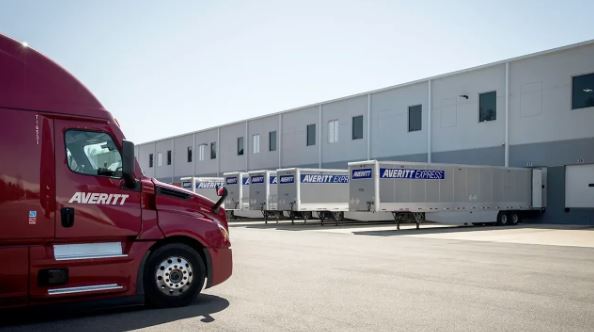
Memphis is genuinely distinguished from many other logistics cities due to its freight hub Memphis status being so closely connected with real driver demand. This market has not been constructed around a single industry or seasonal freight spike. In contrast, Memphis works as a circulating hub all year long where regional lanes, local distribution, and national freight all converge. The CDL drivers at that point get not limitations but options instead.
Regional lanes hold a big cake of the outbound and inbound traffic. This route is typically operating multi-state radius, serving distribution centers in Tennessee, Arkansas, Mississippi, Missouri, and Kentucky. The strong geographical location of Memphis on strategic interstate highways means that regional drivers frequently cover long daily miles but they do not have excessive deadhead. The drivers operating these lanes are wining from reliable freight scenarios as well as the equilibrium between on-road and at-home time.
In parallel, local routes Memphis is still an important part of the entire freight ecosystem. Local work which intermodal yards, airport-linked distribution, and high-volume warehouse clusters back up the most supports these. These routes are mostly shorter, more predictable, and very much related to freight schedules. Local assignments often bring to drivers predictability and rhythm especially when matched with drop and hook or no-touch freight operations.
The multilayered freight structure helps increase the demand for CDL A Memphis drivers. The carriers are not hiring for just one seat but to staff entire systems that depend on operator adaptability. The drivers who see the connection of local routes that feed regional lanes to national distribution are usually more successful in their movement between roles done during their career period.
In a fuzzy terms, Memphis is not rewarding drivers who are seeking fast wins, but people who would like to be employed for a long time. The original design of the freight hub allows CDL A drivers to start with local driving, then switch to regional lanes, and finally take on longer routes all in the same market. It is this operability that allows Memphis to remain as one of the most durable trucking hubs in the nation.
Truck driving jobs in Memphis usually let you return home every day, do they not?
Of course! A lot of local routes Memphis provide — especially intermodal and distribution work — allow and also give you near-daily home time, depending on the carrier and schedule.
Is no-touch freight prevalent in Memphis?
Definitely! No-touch or drop-and-hook are the major freight types that are moved through distribution centers and intermodal facilities which are mostly no-touch, reducing dock time, and improve schedule predictability.
What experience do drivers need to work in Memphis?
The majority of carriers look for a valid CDL A and a clean driving record. Interstate and regional lanes knowledge such as I-40 and I-55 is usually useful but not always required.
CDL A Requirements and Hiring Expectations
The majority of the local Memphis carriers meth to be followed. But as you may expect from a metropolitan market, there is flexibility. Clean driving records and regional experience are usually the keys that unlock several job types to the drivers without long waiting times.
Most regular recruiting conditions are:
- Valid CDL A
- Clean driving history
- Comfort with drop and hook operations
- Familiarity with interstate corridors like I-40 and I-55
Due to the fact that Memphis supports both entry-level and experienced roles, drivers quite often move within the same market instead of relocating for advancement.
Long-Term Outlook for Trucking in Memphis
Freight traffic through Memphis is not going to end any time soon. With the expansion of e-commerce, regional distribution, and intermodal networks, the city will further strengthen itself as a freight powerhouse.
For truckers, this means they will continue to get steady weekly miles along with the evolving routes and diverse pay structures that fit their lifestyle. Unlike freight towns, that thrive and perish, Memphis is designed for lasting logistics.
Final Thoughts
Truck driving jobs in Memphis give a rare opportunity in the trucking industry at the moment: balance. Miles and home time balance, consistency and flexibility balance, and potential earnings against operational simplicity balance.
Whether you will be carrying regional loads on the I-40 corridor, handling intermodal Memphis container moves, or moving no-touch freight between distribution centers, Memphis will remain among the top freight markets nationwide for drivers. CDL A drivers can still count on Memphis as a destination that delivers skills along with a career.
FAQ: Truck Driving Jobs in Memphis

Why are trucking jobs in Memphis always available?
Memphis is a major cargo transport center that is characterized by the free flow of cargo which is made possible by intermodal yards, distribution centers, and FedEx logistics ecosystem. Therefore, both local and regional CDL drivers can get a job throughout the year.
Which routes are most frequently used by drivers in Memphis?
Drivers generally have the option of choosing between local routes within the metro area which are about and away fro the traffic, regional lanes that cross a few other states, and the longest OTR runs by I-40 and I-55.
Are local truck driving jobs in Memphis typically home daily?
Of course! A lot of local routes in Memphis that are intermodal or distribution work really enable drivers to go home on a daily basis or at least be close to it, depending on the carrier and schedule.
Is no-touch freight prevalent in Memphis?
Yes, a lot of it. The majority of the freight that moves between the distribution center and the intermodal site is drop-and-hook or no-touch, this really cuts down on dock time and it makes the schedule more predictable.
What is the driver experience prerequisites for working in Memphis?
The most common requirement among carriers is having a CDL A and a spotless driving record. Even though the knowledge of regional lanes and interstate corridors like I-40 and I-55 is preferred, it is not always a must.