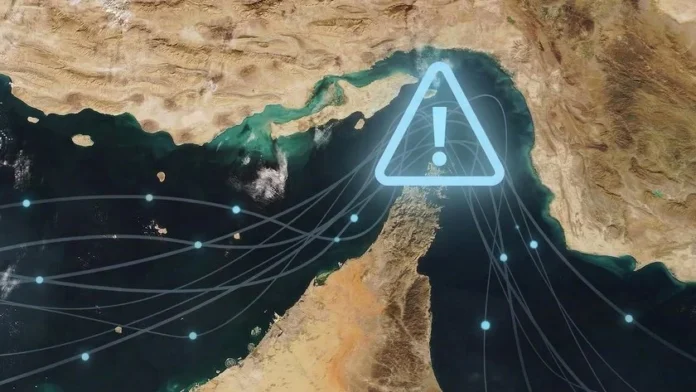
Disruptions around the Strait of Hormuz are putting pressure on global supply chains, according to David Williams, Chief Product Officer, Leschaco, in a recent market update.
The escalation of tensions in the region has reduced vessel traffic and increased uncertainty across key trade lanes.
Sea freight under pressure
Major carriers including MSC Mediterranean Shipping Company, Maersk, and Hapag-Lloyd have suspended or rerouted services, forcing vessels to take longer routes and tightening global capacity.
Williams notes that force majeure declarations and port diversions are adding further complexity, often leaving cargo owners responsible for onward transport.
Air freight disruptions grow
Air cargo networks are also affected, with regional airspace closures impacting carriers such as Emirates, Qatar Airways, and Etihad Airways.
Flights are being rerouted via hubs like Istanbul and Baku, increasing transit times and costs.
Flexibility key to resilience
According to Leschaco, companies that diversify transport modes and build flexibility into their supply chains are better positioned to manage disruption.
Alternatives such as rail, sea-air solutions, and routing via ports like Fujairah and Dammam are helping mitigate delays.