
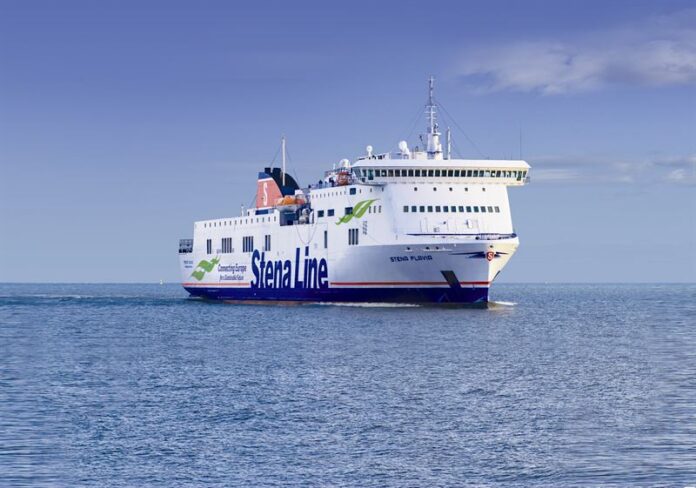
Stena Line has completed the acquisition of terminal operator Terrabalt in Liepaja, Latvia. The company officially took over RoRo, bulk, and general cargo operations.
All approvals from competition authorities and relevant governmental institutions have been granted. Stena Line is now registered as the owner.
The completion marks an important milestone in Stena Line’s long-term commitment to trade development in the Baltic Sea region. Liepaja is Latvia’s third-largest port and plays a key role in regional and international supply chains.
Stena Line currently operates the Liepaja-Travemünde, Germany route with two vessels.
The terminal operations will now change its name to Stena Line Ports Liepajas SEZ. Liene Lemane, Trade Director for the Baltic Sea North at Stena Line, called it a logical next step in the company’s development in the Baltics.
“This reflects our strong belief in the Baltic region and its long-term trade potential,” Lemane said.
Stena Line plans to gradually develop and modernize the terminal and its infrastructure. The company will focus on safety, security, customer experience and efficient traffic management.
Lemane emphasized that development takes time. She pointed to Ventspils as an example, which Stena Line acquired nearly three years ago and successfully integrated into its system. Liepaja will follow a similar path.
The Liepaja Special Economic Zone Authority will rebuild berth 46 in parallel with Stena Line’s development plans. The project is scheduled for completion by December 31, 2027.
The acquisition strengthens Stena Line’s Baltic Sea network. The company already includes port operations in Ventspils and Karlskrona, as well as ferry routes connecting Latvia, Sweden, Germany and Poland.
Carl-Johan Hellner, COO Ports & Terminals and Head of Group Strategy at Stena Line, highlighted the region’s importance to European trade. He said building resilient supply chains requires a long-term mindset and close partnerships.