
Quick Answer
Relocating pushes you out of your comfort zone and acts as a catalyst for self-discovery. It reveals how well you handle uncertainty, forces you to confront attachments to possessions, and highlights your resilience in the face of upheaval. Through the challenges of packing, saying goodbye, and starting over, many people gain clarity on their priorities, build greater adaptability, and develop a stronger sense of independence and personal growth.
Introduction
Picture yourself surrounded by half-packed boxes, deciding what stays and what goes as familiar walls echo with memories. Relocation often arrives as a mix of anticipation and unease, prompting questions about habits, relationships, and future aspirations. What emerges from shifting homes frequently surprises people with insights into their inner strengths.
Practical steps, such as renting portable storage units from Calgary Rental Containers, simplify logistics and reduce moving stress, allowing more energy for reflection. As you sort belongings and plan the transition, patterns in decision-making become clear, showing which objects hold real meaning and which ones quietly weigh you down.
These moments illuminate personal values and coping styles in ways everyday routines rarely do. The journey ahead explores specific lessons relocation brings to light, from hidden resilience to newfound priorities.
Decluttering Tips That Reveal Your True Priorities
Sorting through years of accumulated items forces tough choices and often uncovers surprising emotional ties. Many hold onto objects out of habit or sentiment, yet the act of deciding what to keep shines a light on genuine needs versus accumulated clutter.
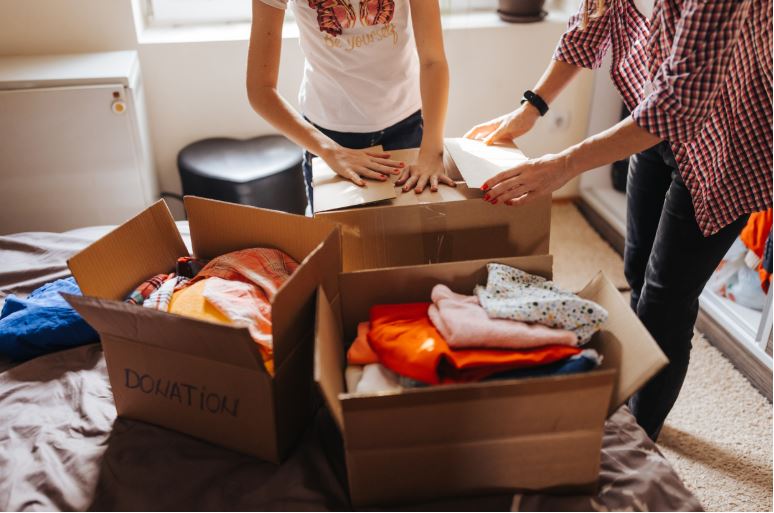
Decluttering tips focus on practical methods to streamline possessions while prompting reflection. Start by categorizing items into keep, donate, sell, and discard piles. This separation clarifies which belongings actively contribute to daily life and which linger unused.
Sorting by Category Rather Than Room
Tackle one type of item at a time, such as clothes or books, across the entire home. Grouping similar objects together prevents overlooking duplicates and highlights excess more clearly.
Asking Key Questions for Each Item
Consider whether you have used the object in the past year, if it brings joy, or if it serves a current purpose. Honest answers often expose attachments rooted in past versions of yourself rather than present realities.
Handling Sentimental Items Separately
Set aside photographs, gifts, or heirlooms for a dedicated session. Limit storage to one box or digital scans to preserve memories without overcrowding space.
These steps transform a chore into revelation. People frequently realize they value experiences over things, or identify habits like impulse buying. The resulting lighter load mirrors clearer personal priorities and sets the stage for embracing change with less baggage.
Key Life Lessons Relocating Teaches About Resilience
Shifting homes tests endurance in subtle yet profound ways. The process often stretches emotional and mental resources, revealing how individuals bounce back from setbacks and adapt under pressure. Resilience emerges not as an innate trait but as a skill honed through real-life demands.
Many notice their ability to persist grows stronger amid disruptions. Facing cancelled plans or unexpected costs builds tolerance for ambiguity, showing that flexibility often trumps rigid preparation.
Embracing Uncertainty as a Growth Opportunity
Temporary chaos, like living out of suitcases, trains patience and problem-solving. Over time, people recognize small victories – finding a new route or assembling furniture – reinforce inner strength.
Building Emotional Stamina Through Goodbyes
Parting with familiar places and faces stirs grief, yet working through these feelings fosters deeper self-reliance. Reflections during quiet evenings highlight progress made despite initial doubts.
Comparing Common Resilience Responses
| Situation | Rigid Response | Resilient Response |
| Delayed moving date | Frustration and blame | Quick adjustment of plans |
| Lost or damaged items | Prolonged upset | Acceptance and focus on replacements |
| Unfamiliar neighbourhood | Withdrawal and complaint | Active exploration and outreach |
These contrasts illustrate choices that shape outcomes. Ultimately, relocation underscores personal capacity to recover and thrive, laying groundwork for handling future transitions with greater confidence.
Adapting to Change in a New Environment
Arriving in unfamiliar surroundings demands quick adjustments to routines, surroundings, and social circles. Adapting to change becomes essential as old habits no longer fit seamlessly into the new setting. This phase often highlights personal flexibility and willingness to step beyond established patterns.
Initial weeks bring a mix of curiosity and disorientation. Everyday tasks like grocery shopping or commuting take longer, prompting creative solutions and patience with yourself.
Navigating Daily Routines Anew
Establish small anchors first, such as a morning coffee spot or regular walking path. These familiar rituals provide stability amid broader shifts and ease the transition.
Opening Up to New Experiences
Try local events or neighbourhood spots without high expectations. Sampling different cuisines or joining community activities broadens perspectives and accelerates comfort levels.
Common Adjustment Phases
- Excitement phase: Energy from novelty drives exploration
- Frustration phase: Differences irritate and homesickness peaks
- Acceptance phase: New norms feel natural and appreciation grows
Progressing through these stages varies by individual, yet each reveals capacity for growth. Mastering this adaptation builds confidence that carries forward, preparing for whatever comes next in the journey.
Relocation Tips for Building Connections After Moving to a New City
Settling into fresh surroundings extends beyond unpacking; forging ties plays a key role in feeling truly at home. Moving to a new city often leaves social networks behind, yet intentional steps rebuild support systems and uncover shared interests.
Start close to home by introducing yourself to neighbours during casual encounters. A simple conversation over shared spaces like mailboxes or parks opens doors to local recommendations and invitations.
Practical Ways to Meet People
- Join interest-based groups, such as hiking clubs or book readings, through community boards or apps
- Volunteer for causes aligned with your values, creating bonds over common goals
- Attend recurring events like markets or fitness classes for repeated interactions
- Use professional networks for colleagues who share similar backgrounds
Overcoming Initial Barriers
Shyness or busy schedules slow progress, so commit to one outreach weekly. Genuine curiosity about others’ experiences eases exchanges and turns acquaintances into friends.
These efforts pay off by expanding horizons and providing belonging. Stronger connections reinforce the growth sparked earlier in the transition, turning a new place into a meaningful chapter.
Embracing Personal Growth from Your Fresh Start
A new home marks more than a change of address; it signals an opportunity to reshape habits and outlook. Relocation often catalyzes lasting shifts in confidence, perspective, and priorities, turning accumulated lessons into forward momentum.
Many find themselves approaching decisions differently after the transition. Greater clarity on values leads to intentional choices, whether in relationships, career paths, or daily routines. The experience reinforces that growth stems from stepping into discomfort.
In the end, starting fresh through relocation reveals untapped potential and resilience. The journey leaves you better equipped to navigate life’s shifts, embracing each chapter with renewed purpose and insight.