
Russia has made a formal diplomatic request urging the United States to stop its pursuit of an oil tanker that had been sailing for Venezuela and is now fleeing U.S. Coast Guard enforcement in the Atlantic Ocean, according to New York Times.
The request was delivered late on New Year’s Eve to the U.S. State Department and was also sent to the White House’s Homeland Security Council, the report said, citing people familiar with the matter who spoke on condition of anonymity.
The dispute over the tanker comes amid broader diplomatic efforts by U.S. President Donald Trump to negotiate an end to the war between Russia and Ukraine. Earlier this week, Mr. Trump met with Ukrainian President Volodymyr Zelensky at Mar-a-Lago, where both leaders expressed cautious optimism about peace talks despite limited progress on key issues such as security guarantees and territorial arrangements.
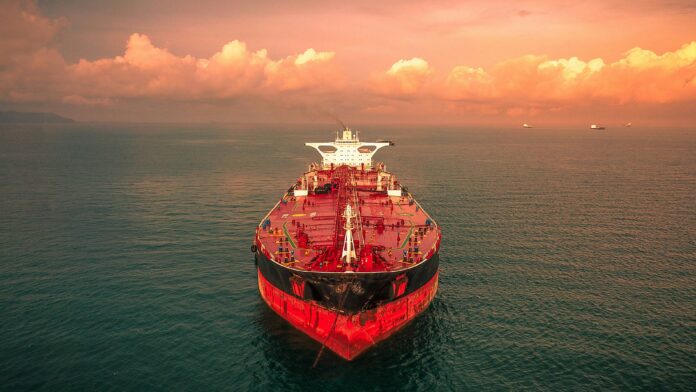
According to the report, U.S. authorities have been tracking the tanker—known as Bella 1—for nearly two weeks. The vessel began its journey in Iran and was en route to Venezuela to load oil when U.S. forces attempted to stop and board it in the Caribbean Sea. American officials have said the tanker was not flying a valid national flag, classifying it as a stateless vessel subject to boarding under international law, and that a seizure warrant had been obtained.
The crew reportedly refused to comply and sailed back toward the Atlantic. In subsequent days, the vessel sought Russian protection, with the crew painting a Russian flag on its hull and informing the Coast Guard by radio that it was operating under Russian authority. The ship has since appeared in Russia’s official ship registry under a new name, Marinera, with a listed home port of Sochi on the Black Sea.
The White House declined to comment publicly on the matter. A U.S. official, speaking anonymously due to the ongoing law enforcement action, said the administration continues to view the tanker as stateless, arguing that it was flying a false flag when first approached by the Coast Guard. The State Department and the Russian Embassy in Washington did not immediately respond to requests for comment.
While Russia’s diplomatic intervention may complicate efforts to seize the vessel, legal experts cited by the report noted that securing Russian protection under international maritime law could prove difficult. The episode adds a new layer of tension to U.S.–Russia relations and intersects with Washington’s long-running dispute with Venezuela over oil shipments and sanctions enforcement.