The Port of Barcelona has approved its Energy Transition Plan. The roadmap sets a target to cut CO₂ emissions by 85% by 2040, compared with 2017 levels. The port aims to become carbon neutral by 2050.
The plan also sets near-term goals. The port will halve emissions by 2030. That equals a reduction of one million tonnes between 2025 and 2030. It compares to taking 240,000 cars off the road each year.
The strategy goes beyond emission cuts. The port will treat energy as a core business driver. It aims to boost competitiveness while reducing environmental impact. The goal is to turn the port into a major clean-energy hub for the logistics sector.
Four Pillars of Action
The plan includes more than 150 projects. They fall into four main areas: cutting emissions, securing energy supply, driving innovation, and adopting new technologies.
By 2030, the port plans to electrify 50% of operations. It also targets shore power connections for 65% of container and cruise ship calls. The share will rise to 90% by 2050.
Clean Energy Production
The port will expand local energy generation. It plans to install 100 MWp of solar capacity by 2030. It also targets annual production of 100,000 tonnes of sustainable fuels, including biomethane and synthetic fuels.
These fuels will support green shipping corridors. They will also help attract low-emission vessels.
Hydrogen and Innovation
The plan places strong focus on hydrogen. The port will leverage the future H2MED pipeline to grow its hydrogen business. It also plans to invest in CO₂ capture and reuse. Captured carbon could feed production of synthetic fuels under a circular economy model.
€1.7 Billion Investment
Public and private investment will fund the transition. Total spending will reach €1.7 billion. Private funds account for about €920 million. Public funding will add around €780 million.
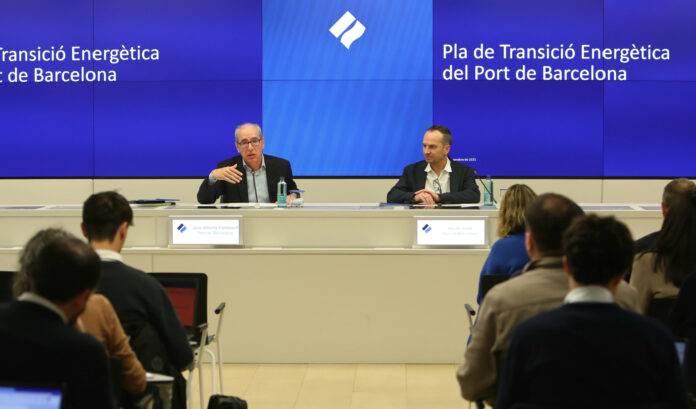
Port President José Alberto Carbonell said sustainability now shapes every business decision. He added that the port must act as a strategic energy hub, not just a transport gateway.
Environmental Director Hector Calls said the plan protects future competitiveness and supports long-term environmental goals. He added that the roadmap will evolve with new technology and regulation.
The port will publish performance indicators every year. Regular reviews will track progress and adjust targets as needed.