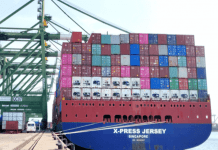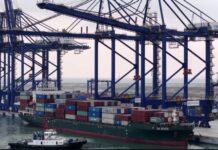
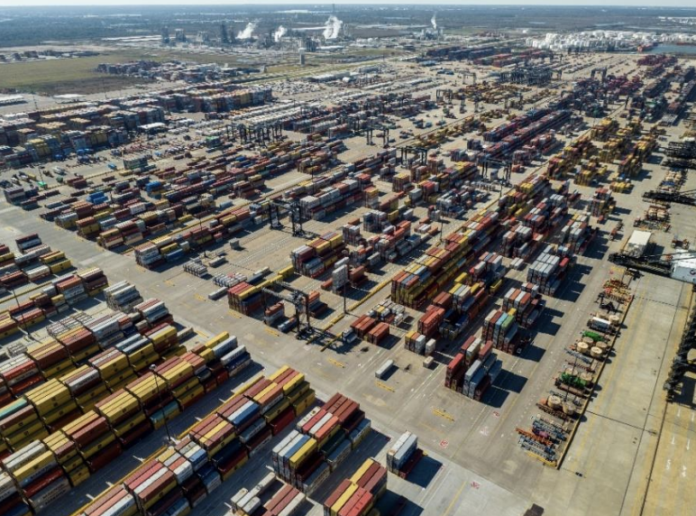
Port Houston handled 4,380,996 short tons across its eight public terminals in February 2026. The volume represents a 4% increase. Year-to-date total reached 8,927,585 short tons, up 5%.
Container activity remained flat in February. Port Houston handled 326,799 TEU, bringing year-to-date container volumes to 696,833 TEU. The year-to-date figure represents a 2% increase compared to the same period last year.
Loaded exports increased 5% in the first two months of the year. Loaded imports rose 3% compared to last year. The figures reflect continued demand for goods moving through the Houston Ship Channel.
February volumes for dry and liquid bulk at multi-purpose facilities were up 28% and 31% respectively. Steel declined 27% year-to-date due to cyclical demand and global market conditions.
Port Houston has been the fastest-growing major container port in the United States over the past decade. Container volumes increased at a compound annual growth rate of 7.2%, roughly twice the rate of the next-fastest port.
The Port Commission approved the start of construction of Wharf 1 at Bayport Container Terminal in February. The project will add 1,300 linear feet of wharf space when complete in 2028. Port Houston recently completed Wharf 7 at Bayport, which is now open to vessels.
Charlie Jenkins, CEO of Port Houston, said the wharf additions increase berth capacity significantly and allow the port to handle more cargo than ever before.
Port Houston is advocating for public officials to expedite roadway connectivity projects. Key freight corridors including State Highway 146 and State Highway 225 connect the port’s Barbours Cut and Bayport Container Terminals to regional distribution centers and inland markets.
Jenkins said the port routinely meets with officials to emphasize the importance of investments in roadways. Reliable landside connectivity is crucial to cargo growth for the region, which translates to growth in jobs and the overall economy.