
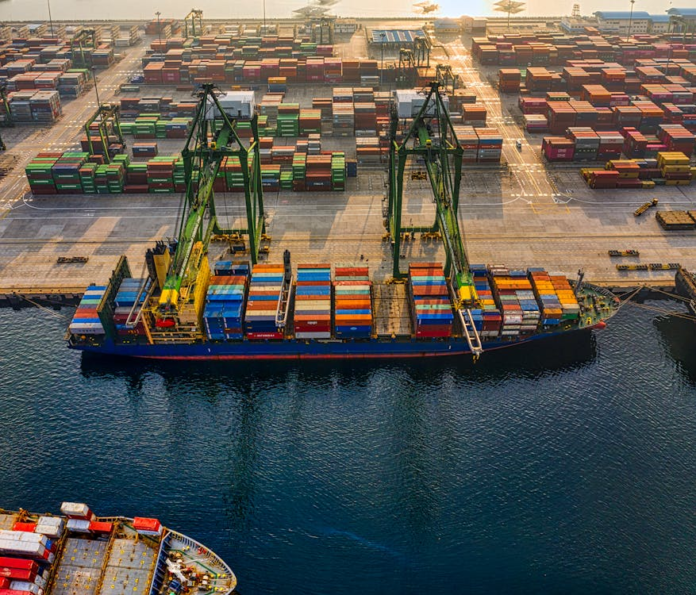
More than 80% of world trade volume is carried by sea, according to UN Trade and Development. So, when containers slow down at ports, it can affect your inventory, cash flow, and customers.
Port-centric logistics is one way companies are taking back control. Instead of pushing cargo inland as quickly as possible, businesses are rethinking where goods are stored, sorted, and shipped. Here is what that means and why it is reshaping supply chains this year.
What Is Port-Centric Logistics?
Port-centric logistics is a strategy where imported goods are stored, processed, or redistributed near the port of arrival rather than being immediately moved inland. Warehousing, transloading, and fulfillment all happen close to the dock.
Keeping inventory near major gateways reduces extra handling and long-haul drayage. Fewer touchpoints mean fewer delays and fewer surprise costs. In high-volume trade lanes, that efficiency adds up quickly.
Why Port-Centric Logistics Matters in 2026
Volume shifts and tariff-driven surges have changed how cargo flows through U.S. gateways. They create ripple effects for things like trucking, chassis availability, and warehouse slots. And delays at the dock can lead to detention fees, missed retail windows, and frustrated customers.
Port-centric logistics builds a buffer. How? By positioning inventory closer to arrival points and, thus, being ready to move when needed.
Congestion patterns continue to shift across North American ports. Shippers who rely on a single inland distribution hub often feel the impact first. Spreading operations closer to ports increases flexibility when trade lanes fluctuate.
How Port-Centric Logistics Works in Practice
A port-centric model blends warehousing, drayage, and transloading into one coordinated flow. Containers arrive at the port, move to a nearby facility, and are unpacked or consolidated before heading inland.
Many operations follow a similar process:
- Containers are drayed short distances to a port-adjacent warehouse
- Cargo is transloaded into domestic trailers or sorted by destination
- Shipments move inland in optimized, full truckloads or intermodal units
Shorter drayage legs reduce fuel costs and driver time. Consolidating freight near the port also allows companies to combine multiple SKUs or suppliers into a single outbound load.
For businesses moving high volumes through coastal gateways, integrating container transloading solutions into a port-centric strategy creates measurable gains.
Key Benefits for Importers and Retailers
Port-centric logistics offers clear operational advantages, especially for time-sensitive industries like retail, automotive, and consumer goods. Reduced inland congestion often leads to more predictable transit times.
Inventory positioned near ports can also support just-in-time replenishment. Retailers can hold goods closer to entry points and release them based on demand signals instead of committing to long-haul moves weeks in advance.
Cost control is another major driver. Storage and handling near the port can be more economical than emergency transportation from inland warehouses when supply chains tighten. Faster container turns also help minimize demurrage and detention exposure.
Common Misconceptions About Port-Centric Logistics
Some companies assume port-centric logistics only works for large importers. Well, smaller and mid-sized shippers can benefit as well, especially when they share warehouse space or partner with third-party logistics providers.
Another misconception is that keeping cargo at the port increases risk. Modern port-adjacent facilities offer secure, technology-enabled environments with inventory tracking and visibility tools. Real-time data reduces uncertainty and improves planning.
A well-designed port-centric model does not replace inland distribution centers. It complements them by adding flexibility at the front end of the supply chain.
Is Port-Centric Logistics Right for Your Operation?
Port-centric logistics is not a one-size-fits-all solution. High container volumes, seasonal peaks, and multi-port sourcing often make the model more attractive.
Importers moving freight through high-traffic gateways can use port-adjacent warehousing to smooth out demand swings. Companies facing recurring detention fees or inland capacity shortages may also see quick returns from a shift in strategy.
Reviewing current transportation spend, dwell times, and warehouse utilization can reveal whether a port-centric approach makes sense. Teams that map their cargo flow from vessel to final delivery often uncover inefficiencies hiding in plain sight.
Building a Smarter Port-Centric Logistics Strategy
Growing container volumes, shifting congestion patterns, and cost pressures are pushing supply chains to evolve. Businesses that align warehousing, transloading, and drayage near key gateways position themselves for greater resilience.
Port-centric logistics gives importers room to adapt when trade conditions change.
If your operation is feeling pressure from port delays or inland capacity constraints, consider exploring specialized services by connecting with a team that understands port-centric logistics and can help you refine your strategy to move your cargo with more confidence.
And if you found this article to be helpful, take a look at our other content!