
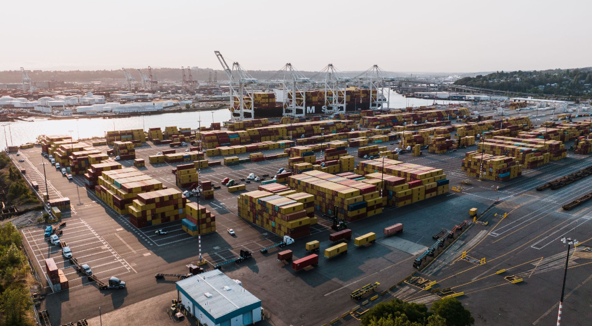
Modern ports handle huge volumes of cargo every single day. Infrastructure maintenance remains a primary goal for managers who want to keep operations moving. Planning these upgrades requires constant monitoring of terminal activity levels.
Machinery needs consistent care to maintain peak efficiency levels. Operators must prioritize engine upkeep to avoid delays in their daily shipping schedules. Staying on top of repairs protects the long-term investment in these heavy machines.
The Evolution Of Port Operations
Terminal equipment has advanced significantly in the past few years. Managers look for ways to streamline their daily workflows to increase productivity. Achieving these goals demands a clear understanding of current engine capabilities within the terminal yard.
Older machines often struggle to meet modern capacity demands. Replacing these units or retrofitting parts keeps terminal throughput at high levels. Frequent testing shows which equipment needs replacement versus simple repairs.
Technology integration helps track equipment performance around the clock. Teams use gathered data to make better decisions regarding daily machine usage. Better data leads to smarter financial choices when purchasing new gear.
Assessing Engine Performance Metrics
Reliability remains the most critical factor for choosing industrial equipment. A study from a global analysis group noted diesel power port equipment segment accounted for 63.7% of the global port equipment market revenue share in 2024. The data highlights the massive reliance on diesel technology today.
Power output per liter determines how well the equipment performs during heavy lifting tasks. Engines must provide consistent torque to handle loaded containers without stalling. Consistent performance means less stress on the drivetrain over time.
High-quality diesel units from recognized brands help protect long service lives. Professionals often choose specific engine models based on their history of reliability in harsh environments. Building a reliable fleet starts with selecting engines that offer proven power curves.
Understanding Mid-Range Engine Capability
Mid-range marine diesel engines offer a balance of power and efficiency. One marine sales expert stated the Cummins 6CTA 8.3 marine diesel engine is one of the most widely used mid-range marine diesel engines ever produced. These units form the backbone of many port terminal fleets.
Technicians value the simplicity and robustness of these legacy designs. Many mechanics study the Cummins 8.3 history to understand how these engines shaped the industrial sector. Knowledge of past design flaws allows crews to perform better preventive maintenance today.
Selecting the right engine requires deep knowledge of the specific port duty cycle. Different environments demand different cooling capacities and fuel filtration systems for optimal operation. Matching the engine to the task improves overall machine longevity.
Managing Global Emission Standards
Environmental regulations shift the requirements for terminal equipment maintenance and purchasing. Compliance helps terminals continue to operate without legal interference. Fleet managers track these updates to stay ahead of upcoming deadlines for engine replacements. Proactive upgrades avoid the chaos of last-minute repairs when rules change.
Clean air requirements mandate regular testing of exhaust outputs. Teams dedicate time to retrofitting older models to meet these strict new standards. Frequent testing keeps the facility within the accepted legal limits for emissions.
Navigating Financial Market Shifts
Market value fluctuations influence capital expenditure plans for port facilities. An industry report stated the global port equipment market size was valued at USD 20.8 million in 2025 and is projected to grow from USD 22.2 million in 2026 to USD 30.1 billion by 2034. The numbers show clear growth in demand for high-end equipment.
Budgets must account for the long lifespan of heavy terminal machinery. Higher initial costs often lead to lower total ownership expenses over time. Planning for these costs prevents financial strain during the middle of the project cycle.
Financial planning helps companies avoid unexpected spikes in equipment replacement prices. Stable cash flow supports consistent upgrades across the entire fleet of vehicles. Managers who predict these costs well will stay in a better position during market volatility.
Implementing Advanced Diagnostics
Smart diagnostics improve predictive maintenance schedules. A leading engine manufacturer noted that electronic engine control provides specific advantages that include increased fuel economy, precision diagnostics, and engine protection. These systems offer clear benefits for modern port operations.
Sensors allow mechanics to view real-time performance metrics on a digital display. Rapid detection of pressure drops or temperature spikes prevents catastrophic component failures. Technicians use this information to prioritize repair tasks during the workday.
Data-driven maintenance lowers the total number of emergency repair calls. Teams address minor issues before they escalate into full-scale engine breakdowns. Consistent monitoring leads to higher availability for all terminal machines.
Fuel Efficiency And Cost Control
Managing fuel burn rates impacts the bottom line for every port terminal. Diesel units accounted for 68.94% of the port equipment market share in 2025. These units represent a large portion of the equipment market currently in use.
Reducing engine idle time saves significant amounts of fuel over a fiscal year. Simple operational changes reduce waste without affecting the total output of the terminal. Training operators on efficient techniques adds value to the company’s bottom line.
Detailed monitoring of fuel usage helps managers create better budget forecasts. Accurate tracking shows exactly where efficiency gains occur throughout the operation. Managers use these insights to optimize the overall fleet layout.
Future Projections For Port Infrastructure
Looking ahead helps companies prepare for inevitable shifts in the logistics industry. The Port Equipment Market is projected to grow from USD 20.4 billion in 2025 to USD 35.5 billion by 2035, registering a CAGR of 5.7% over the period. Long-term planning is critical for maintaining a competitive terminal.
Growing demand for containers pushes terminals toward more automation. New machinery designs integrate these automated features to speed up cargo movement processes. Automation helps handle the increased volume expected in the coming decade.
Sustainability goals will dictate the types of power plants used in future port machinery. Future models focus on:
- Electric battery power density improvements.
- Hydrogen fuel cell implementation tests.
- Automated loading and unloading software.
Proper engine management keeps port terminals running at full capacity. Attention to maintenance and compliance requirements protects business interests.
Success in this sector depends on planning ahead and choosing reliable equipment. Steady progress toward modern technology standards keeps terminals productive for years to come.