
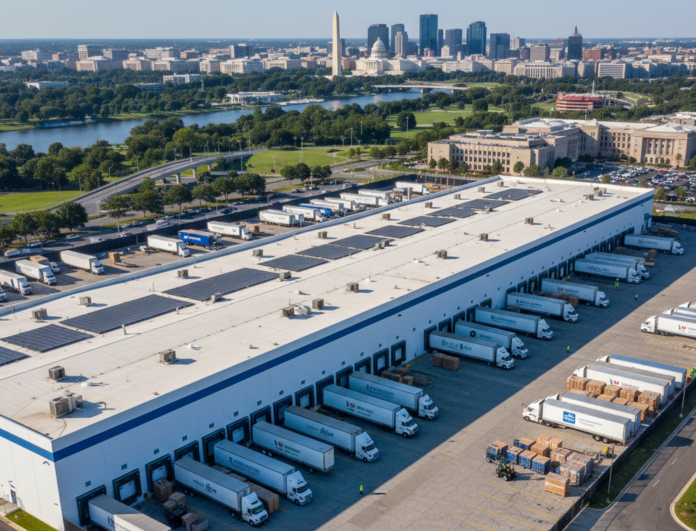
Washington D.C. exports over $2 billion in industrial goods annually, with this pillar of the economy underpinned by strong warehousing and logistics. If you are trying to secure a site for warehousing or a distribution center, you quickly realize the city operates under a unique set of constraints. Unlike sprawling suburban industrial parks, D.C. property requires a deep understanding of local land use, specific zoning, and proximity to major transit arteries.
Finding a facility is not just about square footage. You have to navigate intense zoning due diligence to avoid hidden regulatory traps. Many spaces that look perfect for logistics use are actually restricted by city codes or neighborhood agreements.
The Zoning Hurdles Of The District
Securing a space starts with knowing exactly which areas allow for industrial activity. Washington D.C. uses specific designations for what it calls Production, Distribution, and Repair, or PDR zones.
Attempting to operate a high-volume distribution center outside of these approved areas can lead to immediate shutdown notices from local regulators. It helps to bring in experienced real estate attorneys early in the process to review zoning requirements, lease structures, and regulatory risks before committing to a property.
You also have to consider the physical requirements for modern logistics. Many older buildings in the city cannot handle the power loads required for automation or the heavy traffic flow of modern delivery fleets. Before you sign any lease, you should evaluate these core requirements:
- Structural load capacity for vertical racking systems
- Accessibility for heavy transport vehicles on restricted city streets
- Sufficient power supply for high speed material handling
When you look at the industrial market momentum heading into the later part of the year, it is clear that demand is tightening for quality assets. Companies are competing for the same limited pool of compliant properties. You need to act fast, but you must remain precise.
Protecting Your Operational Interests
Once you identify a potential site, the lease negotiation phase begins. Commercial real estate in a dense urban environment comes with complex tax implications and maintenance obligations that go beyond those in standard suburban settings.
If you skip legal review, you might find yourself stuck with significant “pass-through” costs. These are the hidden fees that landlords often bake into net leases, covering anything from property tax hikes to shared building repairs. A specialized legal team will isolate these risks and ensure you are not paying for improvements that provide zero value to your daily logistics operations.
Securing Long Term Logistics Success
The path to a successful warehouse lease in the District is paved with careful planning and expert intervention. You cannot afford to treat these transactions like standard office rentals.
Every square foot of industrial space in D.C. carries specific legal obligations and zoning realities that evolve with every new city council decision. Consult with professionals who understand the nuances of the local landscape to ensure your facility remains a productive asset for your business rather than a liability.
We’ve got lots more coverage of all things logistics and warehousing-oriented on our site, so check out our posts on associated subjects, whether you’re Washington-based or operating elsewhere in the country.