
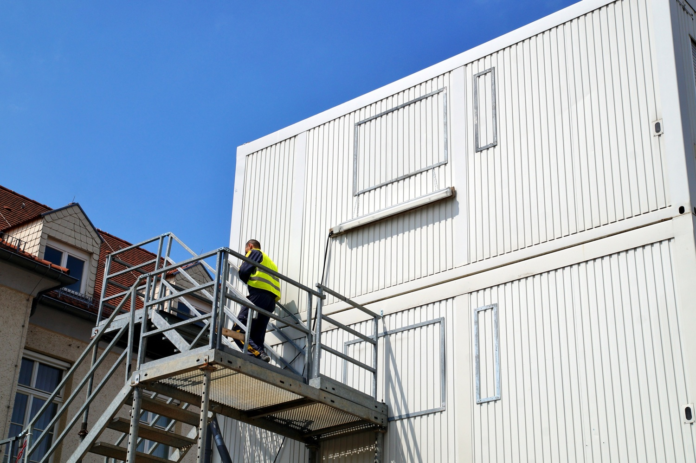
Setting up a functional base in a remote area often feels like a race against the clock. Whether you are managing a mining site or a temporary research outpost, the logistics of moving materials and housing equipment can quickly become a nightmare. Traditional building methods usually take too long and cost too much when you are far from a city. This is where container shelters come into play.
These structures use the existing global shipping network to solve space problems. They offer a way to get a site up and running without the headaches of permanent construction. By repurposing the standard dimensions of shipping containers, companies can simplify their supply chain and keep their projects on schedule.
Practical Infrastructure for Rugged Environments
When you work in a far-off location, you need a containerized facility that arrives ready for work. Most remote projects start with the arrival of shipping containers anyway, so it makes sense to use them as the foundation for larger structures. You can place a specialized roof between two containers to create a massive, protected area instantly. This setup works well for industrial applications where you need to keep vehicles or raw materials out of the rain. Because the base is a shipping container, the logistics team doesn’t have to hire special transport. You just use the same trucks and cranes already on the site.
Building for Strength and Versatility
The core of these shelters usually involves a steel frame that handles significant stress. Manufacturers often use heavy-duty steel to ensure the roof doesn’t buckle under high winds or external pressure. This type of steel construction provides a level of reliability that fabric tents or wooden sheds simply cannot match.
If your project sits in a region with heavy snowfall, you can ask for reinforcement options to handle the extra weight on the roof. These designs turn a basic box into a sophisticated modular structure that stays stable for years. You get the benefits of a permanent building with the flexibility of a portable one.
Customizing the Interior for Specific Needs
A shelter is more than just a roof over some boxes. You can transform the interior of the containers into a specialized site office or even a first aid room. Since the containers are lockable, they provide a secure storage solution for expensive tools or sensitive electronics. If you plan to have people working inside throughout the day, looking into insulation options is a smart move to keep the temperature steady.
You can also choose different color coatings or ventilation systems depending on what you are storing. Versatile design options make these units perfect for any commercial use where space is at a premium.
Operational Standards and Site Constraints
Even in the middle of nowhere, you still have to think about local building codes. Most container shelters are technically temporary, which sometimes helps with zoning regulations, but you should always check the rules first.
When you pick a design, pay attention to the ridge height to make sure your tallest equipment fits inside comfortably. The usable height is often different from the total height because of the curve of the roof or the internal supports. Most of these units don’t require a concrete foundation, which saves a lot of time and money during the initial setup phase. You just need a level patch of ground and a small crew to bolt everything together.
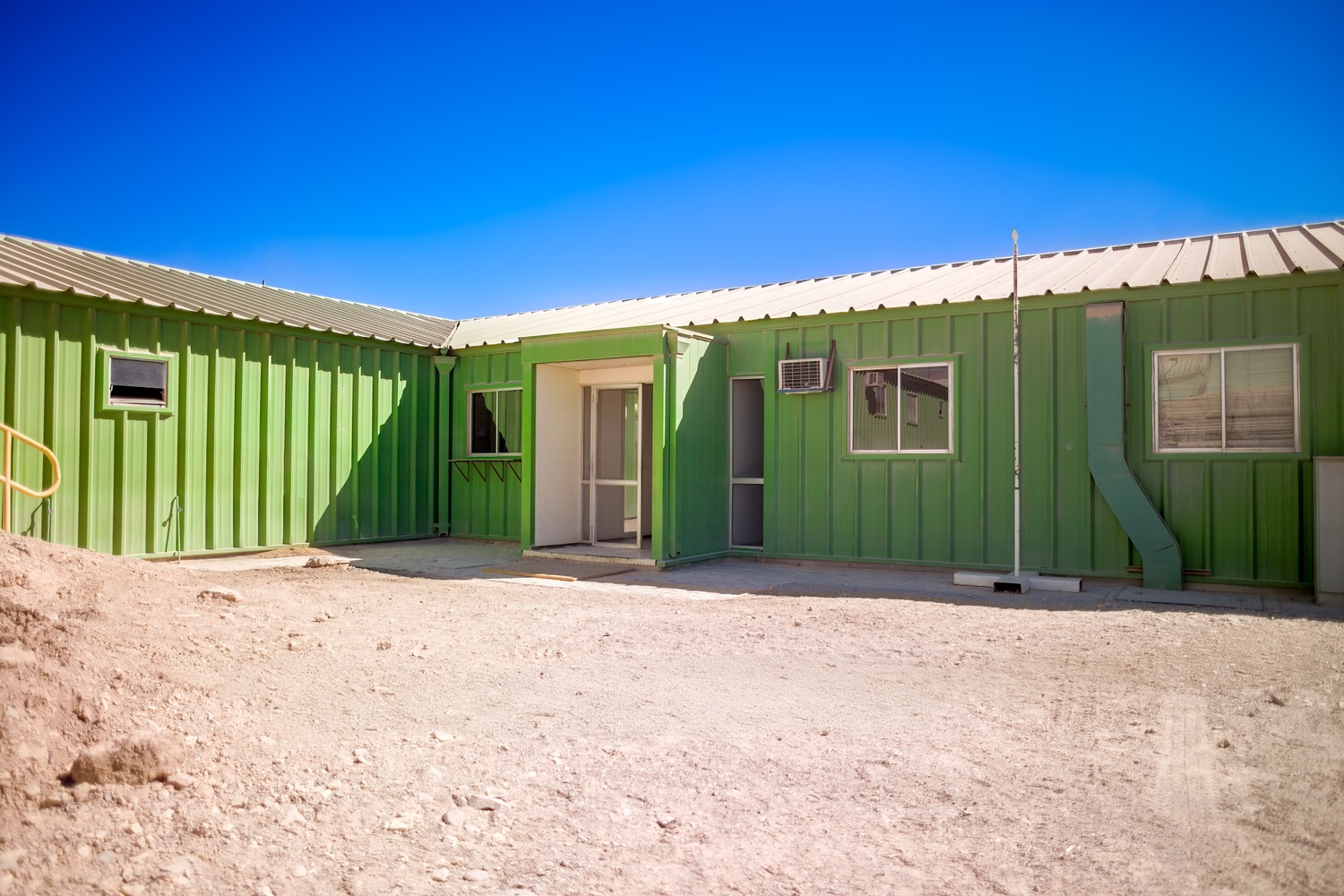
Why Container Shelters Save Money
Cost efficiency is the main reason logistics managers choose these systems. Buying a few containers and a roof kit is almost always cheaper than hauling bricks, mortar, and specialized labor to a remote mountain or desert. You can also treat the shelter as a temporary workspace that moves with the project.
When the job is done, you take the roof down, pack it into the containers, and ship it to the next location. You avoid the waste that comes with abandoning traditional buildings. It also means your capital investment stays on your balance sheet instead of being left behind in the dirt.
Conclusion
Streamlining remote logistics requires tools that are as tough as the environment. Container shelters provide a straightforward answer to the complex problem of finding space in the wilderness. They bridge the gap between flimsy temporary covers and expensive permanent buildings.
By using the strength of steel and the convenience of the shipping container, you can build a reliable base anywhere in the world. This approach keeps your gear safe, your team productive, and your budget intact. If you want to move faster and work smarter on your next remote project, looking into container-based infrastructure is a great place to start.