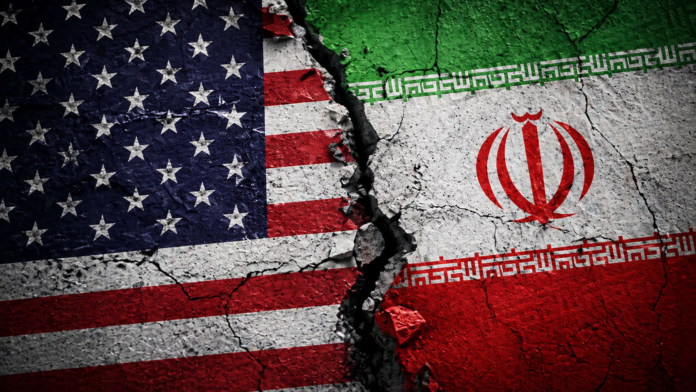
Tensions between the United States and Iran are escalating in the Strait of Hormuz, as military warnings, ship seizures and crew evacuations underscore growing risks to global shipping.
Iran warns US against entering Hormuz
Iran’s military has warned US forces not to enter the Strait of Hormuz after Donald Trump said Washington would help vessels stranded in the Gulf amid the ongoing conflict.
Trump said the US would assist ships that have been “locked up” in the waterway for more than two months, promising to guide them safely through restricted areas.
In response, Iran said any foreign military presence in the strait would face a “harsh response,” adding that all vessel movements must be coordinated with its armed forces.
Military buildup raises stakes for global trade
The United States Central Command (CENTCOM) said it would support operations with around 15,000 personnel, more than 100 aircraft, and naval assets including warships and drones.
CENTCOM commander Brad Cooper said the mission is critical to maintaining regional security and protecting global trade flows.
The situation has already disrupted maritime traffic. According to the International Maritime Organization, hundreds of vessels and up to 20,000 seafarers have been affected by restrictions in the strait.
Meanwhile, the United Kingdom Maritime Trade Operations reported a tanker was struck by unknown projectiles near the UAE coast, highlighting ongoing safety risks.
Crew evacuated from seized Iranian vessel
Amid the escalating confrontation, the United States has evacuated 22 crew members from an Iranian-flagged container vessel seized last month, in a move described by Pakistan as a “confidence-building measure.”
According to Reuters, the vessel Touska, operated by Islamic Republic of Iran Shipping Lines, was intercepted near Iran’s Chabahar port in the Gulf of Oman after allegedly violating the US naval blockade.
US officials said the crew failed to comply with repeated warnings, while Iran condemned the seizure as unlawful and demanded the vessel’s immediate release.
Pakistan’s foreign ministry said the crew would be handed over to Iranian authorities, and the vessel would be moved to Pakistani waters for repairs before being returned.
The incident reflects a broader pattern of tit-for-tat maritime actions, with both sides targeting commercial shipping since the conflict began earlier this year.
Energy markets and supply chains under pressure
The Strait of Hormuz remains one of the world’s most critical energy chokepoints, handling roughly 20% of global oil and gas flows. Disruptions have already pushed oil prices above $100 per barrel in recent days.
Iran’s restrictions on shipping, combined with the US blockade of Iranian ports, have created a highly volatile environment for global supply chains and tanker operations.
Diplomatic deadlock persists
Efforts to ease tensions have so far failed. Iranian officials say negotiations are currently focused on ending the conflict, while Washington continues to insist on strict limits to Iran’s nuclear program.
According to Iranian state media, Tehran is reviewing a US response to its latest proposal, reportedly delivered via Pakistan, but no breakthrough has been announced.
A critical flashpoint for global shipping
With military activity increasing and commercial vessels caught in the middle, the Strait of Hormuz remains a key flashpoint for the maritime industry.
The combination of naval confrontation, disrupted trade routes, and vessel seizures is raising concerns across the shipping sector, as operators navigate one of the most volatile periods for global trade in recent years.