
Digital freight booking has transformed a process that once took days into one that takes only minutes. Traditional freight arrangements often involved several days of back-and-forth communication, while modern digital platforms complete the same task in less than five minutes. This shift does more than shorten timelines. It changes the way businesses manage logistics and make decisions.
The impact is substantial. The Sea and Air Freight Forwarding market is projected to reach USD 1.9 trillion by 2032. Companies that continue using traditional forwarding methods lose valuable time, miss cost-saving opportunities, and struggle with limited visibility in their operations.
Digital freight platforms have reshaped the movement of goods across borders. They improve speed, clarity, and cost efficiency through technology that matches shipments with available capacity. This approach reduces delays and helps every stakeholder act with better information.
In this piece, you will learn how to master digital freight booking and gain the skills needed to cut costs, save time, and create full visibility within your logistics workflow. Let us begin.
Why Traditional Freight Booking Falls Short
Traditional freight booking still clings to outdated practices that create major bottlenecks in the shipping process. While other industries embrace new technology, shipping operations continue to struggle with inefficiencies that waste time and money.
Manual processes and communication delays
Shipping teams face daily friction due to the freight industry’s dependence on manual workflows. The booking process happens through a scattered mix of channels—emails, carrier webpages, and phone calls—without any standard format. This scattered approach means:
- Traditional channels take several hours or even more than a day to process freight requests
- Each booking needs multiple rounds of manual data entry that increase error risks
- Data entry from spreadsheets and emails causes downstream corrections and disrupts operations
A 2024 Ecosystem Integration Report shows that 32% of global companies see manual processes as their biggest problem in meeting business commitments.
Lack of visibility and up-to-the-minute updates
The most troubling aspect of traditional freight booking lies in its poor visibility. These statistics tell the story:
- 50% of businesses still struggle with freight visibility, and about 20% completely rely on manual tracking methods
- Companies with poor end-to-end supply chain visibility face inventory inaccuracy rates up to 20%, which cuts service levels by 10-15%
- 96% of LTL shippers report delays between 1-4 days on their shipments
This visibility gap triggers a chain of inefficiencies. Production planners make crucial decisions without knowing material arrival times. Procurement teams buy extra stock to protect against possible delays. Receiving departments can only react instead of preparing properly.
Tracking information, when available, often comes with incomplete or delayed milestone updates. These delays can last hours or days, which creates uncertainty throughout the shipment process. Logistics teams must make reactive decisions that hurt cost, efficiency, and customer service levels because they lack accurate, up-to-the-minute data on arrivals, departures, and potential disruptions.
How Digital Freight Booking Solves These Issues
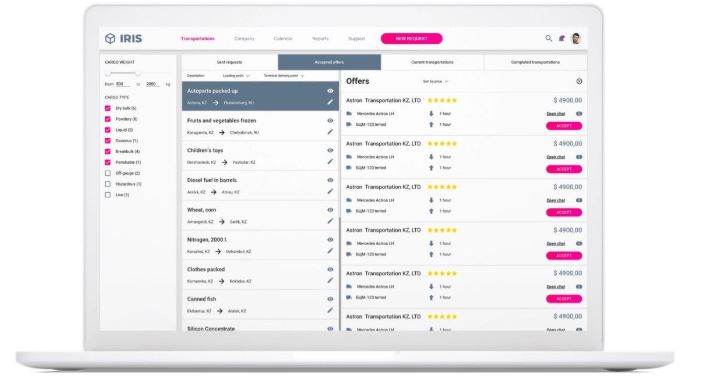
Image Source: Coreteka
Digital freight platforms are solving traditional logistics bottlenecks and making the entire shipping process smoother. These technologies are changing how freight moves across supply chains with advanced automation and connectivity.
Instant carrier matching and load posting
Web and mobile-based technology connects shippers with carriers through digital freight platforms that work like real-time freight marketplaces. Businesses can post shipments while carriers find and book loads right away. The matching process uses AI and machine learning to optimize matches based on service, efficiency, capacity, and cost. Shippers no longer spend hours looking for carriers – they can now:
- Post loads and get capacity in seconds, which cuts booking time from days to minutes
- Connect with networks of over 100,000 carriers to ensure reliable capacity for any shipment
- Let AI-driven algorithms match their freight with available trucks based on specific needs
Transparent pricing and dynamic rates
Price transparency is a vital advantage of digital freight booking. These platforms show market rates immediately and remove the “black box” of traditional pricing models. Digital freight systems give you:
Real-time quotes and side-by-side carrier comparisons for better cost controlDynamic pricing that adapts to market conditions, which can cut shipping costs by up to 70% and reduce carbon emissions by 20%Algorithm-based rates that balance supply and demand, so carriers earn fair pay while shippers get competitive pricing
Integrated tracking and performance metrics
The best part is how digital freight platforms fix the visibility problems in traditional shipping methods. They use integrated technologies like GPS, IoT, EDI, and barcode scans to deliver:
Detailed real-time tracking with automatic email updates about status changes, exceptions, or key milestonesPerformance measurement systems that show shipment cost
trends and carrier performanceData analytics tools that turn logistics information into practical insights, helping shippers make smarter decisions
Steps to Master Digital Freight Booking
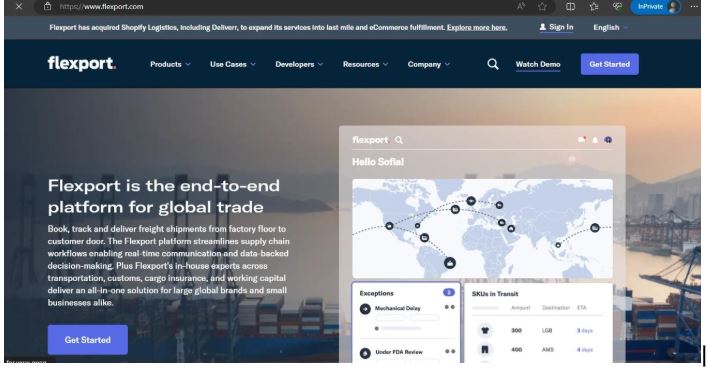
Image Source: Shipthis
Digital freight booking success depends on understanding your current processes and evidence-based optimization. These four steps will guide your transition to digital freight management.
Step 1: Assess your current freight process
Your logistics operations need a thorough review to identify strengths and weaknesses. Look for bottlenecks in manual processes and spots where communication breaks down. Make a detailed checklist of features you need from a digital freight platform. Your list should include rate management, shipment tracking, and reporting tools.
Step 2: Select a digital freight forwarder
The right digital freight forwarder should have a solid reputation, wide network coverage, and strong platform features. Test different systems through detailed demos to see how well they integrate with your existing workflow.
Solutions such as Ship4wd offer accessible tools that help shippers manage bookings, track shipments, and simplify rate comparisons without unnecessary complexity. Look for providers that offer prompt customer support along with services that add measurable value.
Step 3: Train your team on the platform
Your staff needs proper training programs. Research shows that 80% staff competency marks a turning point for successful digital transformation. The team should understand how the platform makes their daily work easier and increases efficiency.
Step 4: Automate routine tasks and monitor KPIs
Routine processes like rate analysis, booking confirmations, and tracking should be automated. Modern AI systems can generate thousands of price quotes in seconds. Your digital freight operations will improve when you track key performance indicators like freight cost per unit, transportation time, and billing accuracy.
Future-Proofing Your Freight Strategy
The freight industry is changing faster than ever before. Your logistics strategy needs to look beyond quick fixes and accept new ideas about future technologies and trends to stay competitive in this digital world.
Using data to improve logistics decisions
Smart logistics providers utilize huge amounts of available information in today’s data-rich environment. Digital freight platforms are a great way to get insights into shipment costs, carrier performance, and service levels. These platforms help forecast demand and manage risks proactively through predictive analytics and AI-driven algorithms. The market presents a great chance for early adopters since only 12% of logistics professionals know how to use AI freight tools.
Scaling operations with automation
Your business can grow without hiring more people by using automation. Digital freight tools help you:
- Create shipments instantly instead of spending 5 minutes per load
- Build customer trust by reducing routing mistakes
- Grow your business without adding more staff costs
Cloud-based logistics solutions make work flexible and accessible. Teams can work together in real time whatever their location.
A Final Word on Moving Forward with Confidence
Digital freight booking gives shippers a practical path toward smoother, faster, and more efficient logistics. The shift to modern tools is more than a technological upgrade. It signals a change in how businesses think about movement, coordination, and long-term strategy. Companies that make this transition gain stronger control of their supply chains and a clearer understanding of the decisions that influence cost, timing, and performance.
The lessons covered here show what it takes to build a process that supports growth and stability. Each step offers an opportunity to reduce pressure on your team, improve visibility across every stage of a shipment, and create a workflow that responds quickly to new challenges.
Success in this environment depends on a willingness to explore new tools and refine old habits so that daily operations work with greater clarity and purpose. Digital booking platforms provide the structure needed to reach that level of consistency. With the right approach, your logistics strategy can evolve into a system that moves goods with reliability, efficiency, and confidence.