

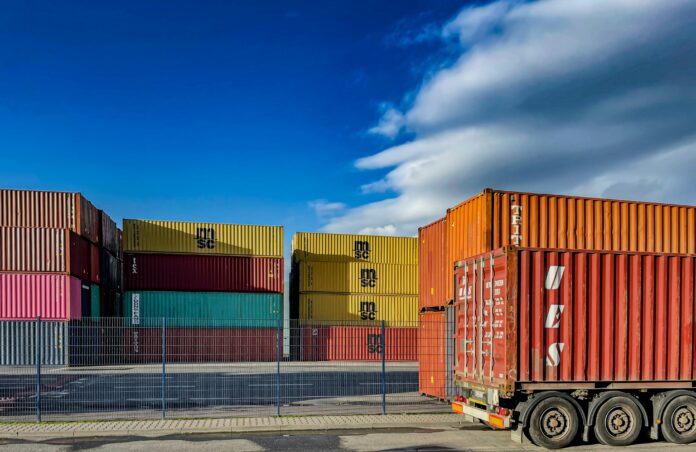
Small logistics companies can manage cash flow during freight market volatility by maintaining access to flexible financing, closely monitoring expenses, and planning for fluctuations in demand. A proactive approach helps carriers, freight brokers, and warehouse operators stay operational even when rates decline or costs rise unexpectedly.
Market conditions in the logistics industry can change quickly. Freight rates may fall during periods of reduced demand, while fuel prices, labor expenses, and equipment costs continue to put pressure on operating budgets.
Smaller businesses often feel these challenges more intensely because they typically have fewer financial reserves than larger competitors. Understanding available funding options and implementing sound cash flow strategies can help logistics companies navigate uncertain conditions with greater confidence. Several practical solutions can provide stability when market volatility creates financial strain.
Why Cash Flow Management Matters in Logistics
Cash flow is the lifeblood of any logistics business. Revenue delays can create significant challenges when payroll, fuel expenses, insurance premiums, and equipment payments continue to come due regardless of market conditions.
Many logistics companies operate with thin margins, making cash flow disruptions especially difficult to absorb. Consistent monitoring of incoming and outgoing funds allows business owners to identify potential issues before they become serious problems.
Common causes of cash flow challenges include:
- Delayed customer payments
- Rising fuel costs
- Seasonal freight slowdowns
- Equipment repairs
- Unexpected operating expenses
Early planning helps companies remain flexible when market conditions shift unexpectedly.
Financing Solutions for Market Uncertainty
Access to financing can provide a valuable safety net during periods of freight market instability. Flexible funding solutions help businesses cover operating expenses while waiting for customer payments or preparing for seasonal demand changes.
Many logistics owners explore options such as lines of credit, invoice financing, and business loans without personal guarantee when seeking capital. These funding solutions can help companies manage temporary cash flow gaps, cover operating expenses, and invest in growth opportunities without tying business debt directly to the owner’s personal assets. Financing solutions that limit personal liability can be especially appealing for owners who want to protect personal assets while supporting business growth. For logistics companies operating in volatile freight markets, funding options that avoid personal guarantees may provide greater flexibility while reducing risk to personal finances.
Choosing the right funding source depends on the company’s financial position, operational needs, and long-term goals. Evaluating multiple options can help businesses find a solution that aligns with their risk tolerance and growth strategy.
Using Lines of Credit for Flexibility
A business line of credit gives logistics companies access to funds when needed without requiring them to borrow a large lump sum upfront. Businesses can draw funds as expenses arise and repay them over time.
Flexibility makes lines of credit particularly useful during periods of fluctuating demand. Companies can use available funds to bridge temporary gaps between receivables and operating expenses.
Common uses for a line of credit include:
- Fuel purchases
- Payroll expenses
- Equipment maintenance
- Seasonal staffing
- Emergency costs
Responsible use of a credit line can improve financial stability without creating unnecessary debt burdens.
Invoice Financing Can Improve Cash Flow
Many logistics businesses experience delays between completing work and receiving payment. Customers may operate on payment terms ranging from 30 to 90 days, creating cash flow challenges for smaller operators.
Invoice financing allows companies to access a portion of outstanding invoice value before customers pay. Faster access to working capital can help businesses continue operating smoothly without waiting for payment cycles to end.
Benefits of invoice financing may include:
- Faster access to cash
- Improved liquidity
- Reduced payment delays
- Greater operational flexibility
- Support for growth opportunities
Businesses that regularly experience long payment cycles often find invoice financing particularly valuable.
Preparing for Seasonal Demand Changes
Freight volumes frequently rise and fall throughout the year. Seasonal fluctuations can affect transportation providers, freight brokers, and warehouse operators in different ways.
Forecasting demand trends helps companies prepare for slower periods before they occur. Historical data can provide valuable insights into when additional funding or cost-control measures may be necessary.
Businesses can improve seasonal planning by focusing on:
- Revenue forecasting
- Expense tracking
- Customer diversification
- Reserve fund development
- Capacity planning
Strategic preparation reduces the likelihood of financial surprises during slower business cycles.
Building Long-Term Financial Resilience
Freight market volatility presents ongoing challenges for small logistics companies, but careful cash flow management can help businesses remain stable through changing conditions. Funding solutions such as lines of credit, invoice financing, and business loans without personal guarantee can provide valuable support when revenue becomes unpredictable.
Combining smart financial planning with flexible financing options allows logistics businesses to maintain operations, protect working capital, and pursue growth opportunities with confidence. Companies seeking funding solutions that support long-term stability may find valuable resources through Crestmont Capital.