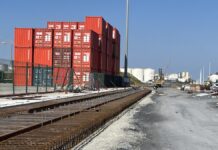


New analysis reveals how infrastructure investments create leverage when critical shipping route closes.
When Houthi attacks forced Suez Canal traffic to collapse by 50% in 2024, the economic pain hit East Africa particularly hard.
But the crisis exposed something more troubling than shipping delays: a dependency structure so carefully constructed that China now controls East African trade flows whether the Suez is open or closed.
Quantitative analysis combining port connectivity data with Chinese political influence assessments reveals what we’re calling a “double dependency trap.”
This content is locked
Select a CN Premium Subscription Package To Unlock The Content!