

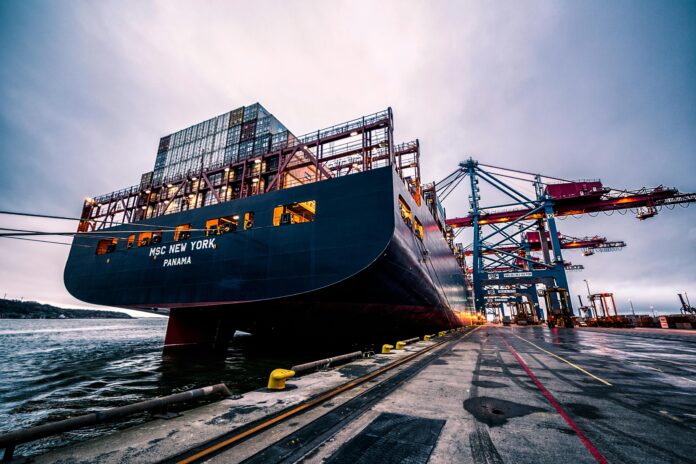
The maritime industry offers a wealth of opportunities for individuals who are passionate about the sea, navigation, and global trade. A career at sea can be rewarding, adventurous, and financially lucrative. However, success in this field requires preparation, dedication, and a clear understanding of what it takes to thrive onboard. For aspiring seafarers, knowing essential career tips can make the difference between struggling and excelling in this competitive industry.
Understand the Maritime Industry
Before committing to a life at sea, it’s crucial to understand the maritime industry’s structure and demands. The field spans various sectors, including cargo shipping, cruise lines, offshore oil and gas, and naval operations. Each sector has distinct roles, responsibilities, and career trajectories. Researching different maritime careers can help aspiring seafarers identify the path that aligns with their skills and interests. This knowledge also prepares candidates for interviews, licensing exams, and professional networking.
Acquire Proper Education and Certification
Acquiring proper education and certification is one of the most important steps toward building a successful maritime career in the United States. Aspiring seafarers must complete approved training programs, earn credentials such as STCW certification, and gain supervised sea time to qualify for advanced roles. This process requires discipline, consistent practice, and strong academic performance. Many future maritime professionals quickly realize that technical coursework, safety training, navigation theory, and engineering principles demand significant time and focus. In the middle of balancing exams, simulator practice, and onboard training, some may even feel tempted to ask professionals from EduBirdie, “Can you write my homework for me online?” when deadlines overlap with intensive practical exercises. Using online academic services can be a valuable support tool for students managing complex assignments and tight deadlines. When used responsibly, they help improve understanding of the material and enhance the overall quality of academic work.
Gain Hands-On Experience
Practical experience is invaluable in the maritime industry. Many aspiring seafarers start with internships, cadet programs, or entry-level positions that provide exposure to daily shipboard operations. This hands-on experience develops critical skills such as teamwork, problem-solving, and adaptability. Working onboard also helps you understand the physical and mental demands of life at sea. Employers highly value candidates with verified sea time, as it demonstrates commitment, reliability, and readiness for higher responsibilities.
Develop Physical and Mental Resilience
Life at sea is demanding. Long hours, confined spaces, and extended periods away from family can take a toll on physical and mental well-being. Maintaining good health through regular exercise, proper nutrition, and stress management is essential. Mental resilience is equally important; seafarers must be able to handle emergencies, adapt to unpredictable conditions, and work effectively under pressure. Preparing for these challenges ensures you can perform safely and efficiently while building a long-lasting career.
Network within the Maritime Community
Networking plays a significant role in maritime career development. Attending industry conferences, joining maritime associations, and connecting with experienced professionals can open doors to mentorship, job opportunities, and industry insights. Online platforms and social media groups dedicated to seafarers can also provide valuable guidance. Networking not only helps in finding positions but also offers a support system, which is vital in a career that can often feel isolating.
Prioritize Safety and Compliance
Safety is the cornerstone of any maritime profession. Understanding and adhering to international and U.S. regulations, including safety drills, environmental compliance, and emergency procedures, is non-negotiable. Seafarers must be vigilant and proactive in identifying hazards and maintaining safety standards. Employers highly regard personnel who consistently prioritize safety, as it ensures operational efficiency and protects both crew and cargo.
Hone Communication Skills
Effective communication is critical in maritime operations. Clear instructions and precise reporting can prevent accidents and ensure smooth operations onboard. Aspiring seafarers should develop strong verbal and written communication skills to interact with diverse crews, superiors, and port authorities. Multilingual abilities can be an asset, especially in international shipping. Good communication fosters teamwork and minimizes misunderstandings, which are essential in a fast-paced maritime environment.
Embrace Continuous Learning
The maritime industry is constantly evolving with new technologies, regulations, and operational practices. Staying up-to-date through continuous learning is vital for career advancement. Participating in refresher courses, workshops, and online training enhances skills and keeps seafarers competitive in the job market. Adaptability and a willingness to learn signal commitment and professionalism to employers, making you a more attractive candidate for promotions and specialized roles.
Plan for Career Growth
A well-defined career plan helps aspiring seafarers navigate the complex maritime industry. Set short-term goals, such as completing certifications or gaining specific sea time, and long-term objectives, like becoming a chief officer or marine engineer. Understanding the requirements for promotion and advancement allows you to strategically acquire skills, certifications, and experience. Career planning also includes financial preparation and contingency strategies for times when employment may fluctuate due to seasonal or economic factors.
Consider Work-Life Balance
Life at sea can be exhilarating, but it often comes with extended periods away from home. Maintaining work-life balance is important for long-term career satisfaction and personal well-being. Establish routines for communication with family and friends, and ensure downtime onboard is used for rest and personal activities. Balancing professional responsibilities with personal life helps prevent burnout and enhances overall performance.
Seek Mentorship and Guidance
Mentorship is a powerful tool in maritime career development. Experienced seafarers can offer practical advice, share industry insights, and help navigate challenges. Seeking guidance from mentors enables newcomers to avoid common pitfalls and accelerate professional growth. Building a relationship with a mentor can also provide encouragement during demanding periods and create opportunities for career advancement.
Final Thoughts
A maritime career offers adventure, professional growth, and financial rewards, but it requires careful preparation and dedication. Aspiring seafarers who invest in education, practical experience, networking, and continuous learning position themselves for long-term success. Developing resilience, honing communication skills, and prioritizing safety are essential components of a thriving career at sea. By following these essential maritime career tips, individuals can confidently navigate the path toward a fulfilling and sustainable life in the maritime industry.