

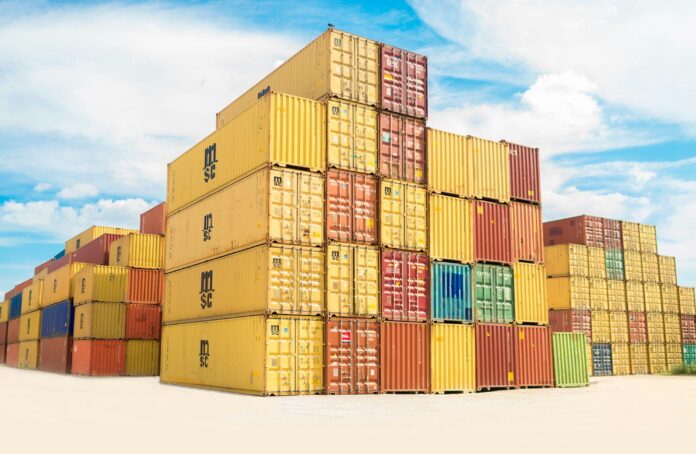
Container shipping rates in 2026: fertilizer impact
If you ship anything tied to US agriculture—inputs going in or product coming out—you’ve probably noticed how quickly “farm economics” turns into “freight economics.” Fertilizer is one of the clearest examples. It’s bulky, seasonal, price-sensitive, and it moves through a supply chain that can swing between calm and jammed depending on timing, routes, and global disruptions.
This isn’t about fertilizer being shipped in containers every time. Much of it moves as bulk. The bigger point is broader: fertilizer affects planting decisions, export volumes, inland trucking demand, and port throughput—and those ripples can hit container networks. Those second-order effects can show up in container capacity and pricing in 2026, especially when the market is already tight.
Why fertilizer can influence container shipping rates in 2026
Fertilizer has a predictable rhythm. Demand rises ahead of planting. Dealers and co-ops want product in position early. And when pricing or availability looks uncertain, buyers “pull forward” orders. That early buying wave increases pressure on rail, trucking, terminals, and warehouses—exactly the same shared logistics lanes many containerized supply chains rely on.
When those lanes get stressed, container networks don’t just get slower; they get more expensive. Carriers reposition boxes differently. Empty availability shifts. Schedules miss windows. And surcharges become more common when equipment and labor are stretched at the same time.
A good baseline for understanding how commodity pricing can drive these behavior shifts is the World Bank commodity price outlook, which tracks how major inputs move across cycles and shocks.
Fertilizer’s “hidden” freight impact isn’t the bag—it’s the calendar
Most logistics problems in ag aren’t caused by one huge shipment. They’re caused by a lot of shipments trying to happen at once, in the same places, on the same weeks.
In the US, fertilizer timing overlaps with other peak movements: spring retail restocks, early-year industrial replenishment, and the ramp into summer. If fertilizer flows pull capacity inland earlier than usual—rail cars, chassis, drayage drivers, transload space—that can create friction for containerized imports moving from ports to interior DCs.
That friction can raise total landed cost even when the ocean rate looks stable. For shippers, it shows up as longer dwell time, fewer appointment slots, higher spot drayage, and “soft” costs like missed production schedules.
The 2026 rate picture: watch indexes, but treat them as signals, not answers
Indexes are useful because they show direction and volatility, not because they predict your invoice. A lane you ship on may behave differently than the average. Still, these benchmarks help explain why markets feel jumpy.
If you’re tracking broad market movement, it helps to compare multiple signals, like the Shanghai Containerized Freight Index and spot commentary from carrier advisories. And if you want a plain-English example of how fast the market can swing, this recent note on the Drewry World Container Index drops 10% captures the kind of step-changes shippers are still dealing with.
In 2026, the “fertilizer impact” is less about a straight line from fertilizer to ocean rates, and more about timing risk. When multiple sectors crowd the same logistics windows, rates become more sensitive to small disruptions.
The fuel layer that quietly amplifies everything
Fuel is the multiplier. Even if ocean pricing is calm, inland moves can get expensive quickly when diesel climbs—especially for fertilizer-heavy corridors where trucking and short-haul drayage do a lot of the work. When carriers and brokers reprice, those increases roll into everything from port drayage to regional transfers.
For a current read on that cost pressure, the EIA diesel fuel update is a practical reference because it reflects what fleets are actually paying, not just what futures imply.
Where the fertilizer supply chain can pinch container capacity
The pinch points tend to repeat: ports can get tight on labor and yard space, inland rail and transload networks can bottleneck when seasonal positioning ramps up, and strong ag export periods can pull empty containers toward export regions—changing where equipment shows up and where it doesn’t. As a result, volatility ends up being the real cost driver. Even in a softer market, shippers can still get hit with delays, accessorials, and rushed rebooks when the system is stretched in the wrong places at the wrong time, which is the same dynamic described in global shipping is facing the volatility trap.
What US shippers can do now (without pretending you control the market)
You can’t control fertilizer cycles, and you can’t control carrier pricing. But you can reduce how hard rate swings hit your business.
Start with the basics: tighten your booking windows, confirm cutoff dates earlier, and build a buffer for inland moves during peak ag positioning weeks. If you’re moving through Gulf or East Coast ports tied to agricultural corridors, plan for longer drayage lead times during seasonal surges.
Then get specific about cost attribution. A lot of “rate inflation” is actually extra fees creeping in: demurrage, detention, chassis splits, storage, second deliveries. Those are fixable when they’re visible. If they’re lumped into one bucket, they keep repeating.
Finally, separate “what happened” from “what you expected.” The most resilient teams review the last 30–60 days of exceptions and adjust SOPs, not just budgets.
Why major fertilizer producers matter for freight planning
When you’re trying to understand why fertilizer-related logistics gets “spiky,” it helps to look upstream—not just at farms and dealers, but at who produces and moves the inputs in the first place. Large suppliers influence what’s available, where it’s positioned, and how quickly the market can react to a disruption or pricing move. That upstream behavior tends to show up downstream as rush orders, tighter lead times, and more pressure on the same inland lanes that containers rely on.
In practice, a lot of the calendar risk comes from the fact that parts of the fertilizer market are run by large, integrated producers that span production and specialty inputs—players such as ICL Group. When supply is reallocated, a facility goes down for maintenance, export volumes shift, or distribution is rerouted, the effects rarely stay “upstream.” They show up as sudden positioning pushes: product staged earlier, alternate corridors used, and capacity pulled into ag lanes right when other shippers are trying to move inventory inland.
Practically, the takeaway for US shippers is simple: treat fertilizer seasonality as a system-level constraint, not just an ag story. If you’re planning ocean bookings, drayage, rail-to-DC moves, or transload capacity in Q1–Q2, it’s worth assuming that upstream fertilizer dynamics can accelerate inland congestion—then building buffers (lead time, appointments, and contingency routing) before the squeeze shows up in your accessorials.
Conclusion: container shipping rates in 2026 won’t move in isolation
The big takeaway is that container shipping rates in 2026: fertilizer impact isn’t a single-variable story. Fertilizer affects timing, and timing affects the shared logistics system that containers depend on. When fertilizer buying shifts earlier, when exports surge, or when inland networks tighten, container costs can rise even if the “headline” rate environment looks calm.
If you plan around the calendar, track the right signals, and keep accessorial costs visible, you don’t need perfect forecasts. You just need fewer surprises—and fewer expensive ones.