
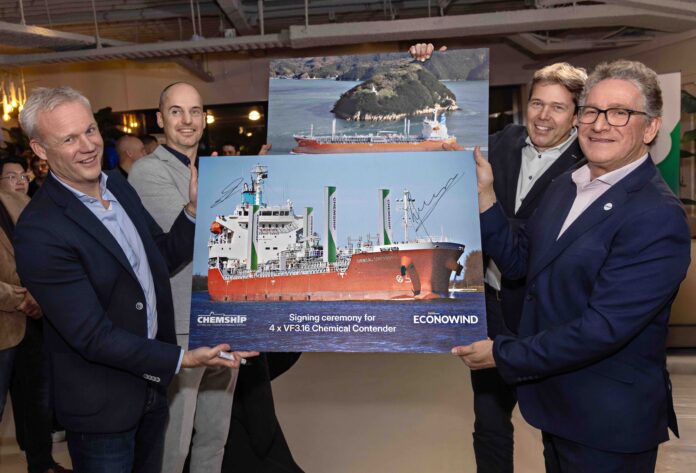
Chemship has placed a repeat order with Dutch wind propulsion specialist Econowind to install VentoFoils on two more chemical tankers.
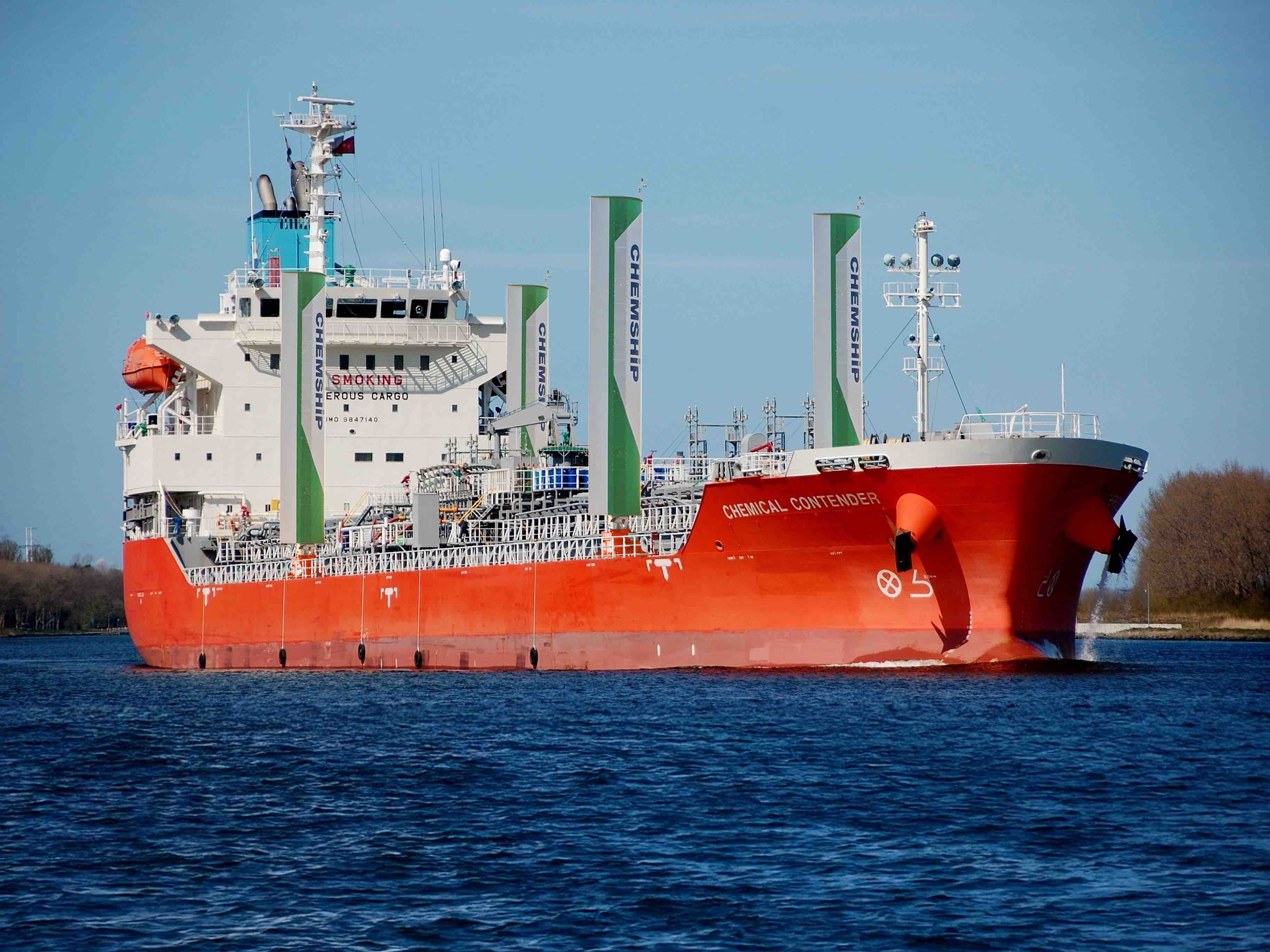
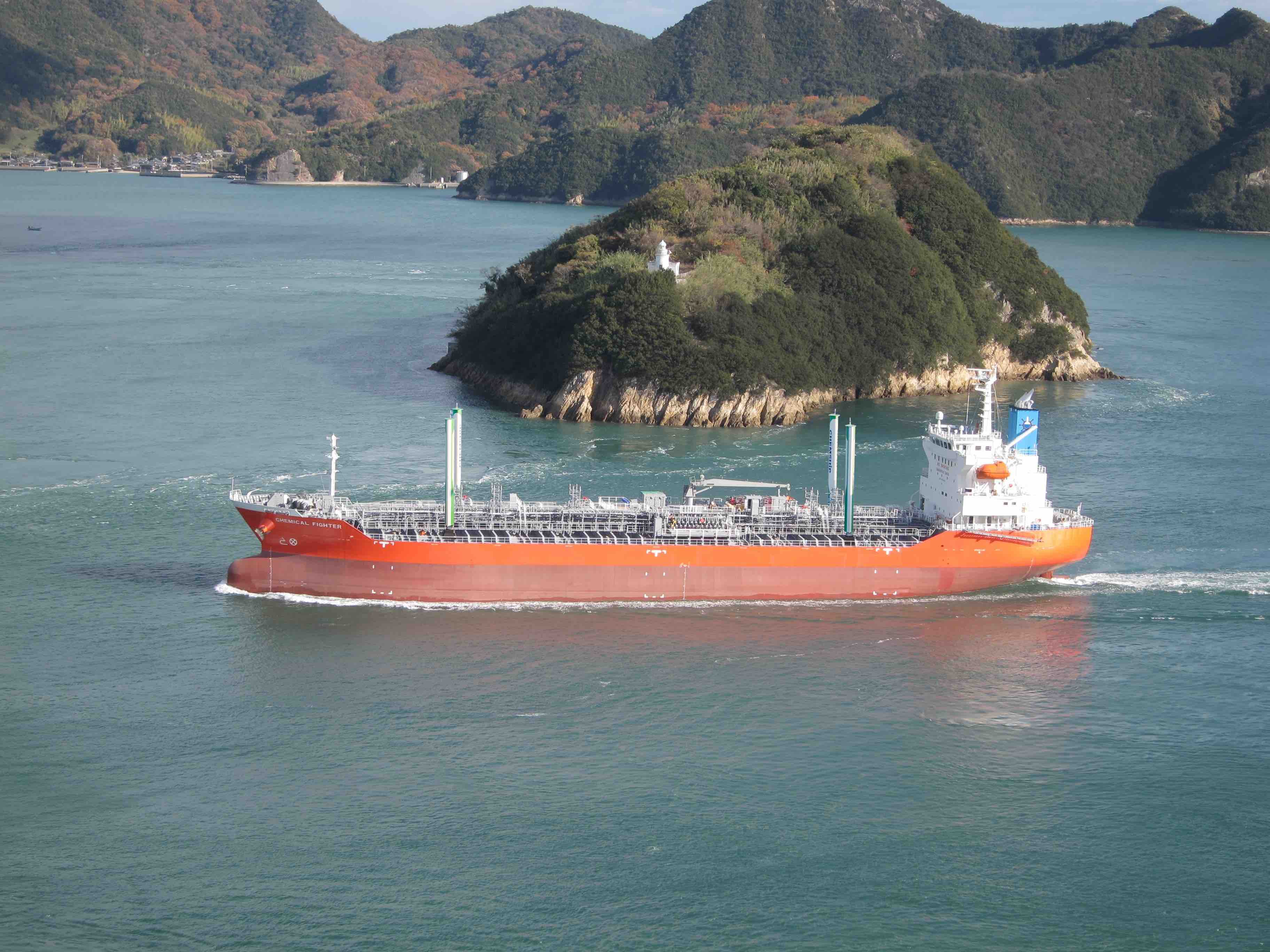
The vessels Chemical Contender and Chemical Fighter will each receive four 16-metre ATEX-proof VentoFoils in the second half of 2026. The installations will expand Chemship’s use of wind-assisted propulsion and strengthen its strategy to reduce fuel consumption and emissions.
The new order follows the successful deployment of VentoFoils on Chemical Challenger, the first chemical tanker in the world equipped with wind-assisted ship propulsion. The vessel was retrofitted in Rotterdam in early 2024 and has since proven the technology’s value in daily operations.
Proven fuel savings
Chemship reports that VentoFoils, combined with its fuel optimisation software, have cut fuel use by up to 15% on Chemical Challenger.
“We are pushing sustainability in every part of our business,” said Niels Grotz, CEO of Chemship. “The results speak for themselves. Installing VentoFoils on two more ships shows we are making real progress toward net-zero shipping.”
Strong endorsement of wind propulsion
Econowind welcomed the repeat order as a sign of growing confidence in wind-assisted technology.
“Chemship showed leadership by being the first chemical tanker operator to adopt wind propulsion,” said Chiel de Leeuw, Chief Commercial Officer at Econowind. “This return order proves the technology works and delivers measurable results.”
Recognised sustainability performance
Chemship recently received a Platinum rating from EcoVadis, placing the company among the top 1% of all companies worldwide for environmental, social and governance performance.
Alongside VentoFoils, Chemship is also using advanced hull coatings, premium lubricants and boss cap fins to improve vessel efficiency and reduce fuel consumption.
Supporting future regulations
The new installations will help Chemship manage rising emissions costs and comply with new rules, including the FuelEU Maritime Regulation.
“At the moment we have the youngest and most economical fleet on our trade lanes,” Grotz said. “We keep investing in new technologies to further optimise fuel use and prepare for the future.”